More new entries in the Devil’s Dictionary

today’s entries: habitat patch, isolating mechanism, loafing platform, Mammalia

See the complete Devil’s Dictionary of Scientific Words and Phrases here.

3707_001

all entries in the Devil’s Dictionary copyright 2019 by Russ Hodge

habitat patch  the area where an organism belongs, rather than the place it has wandered off to, often indicated by some sort of “patch” (insignia, merit badge, bar code) worn on the fur, skin, or some other surface area. This explains the note your mother pinned to your shirt the first day of school, providing an address and phone number in case you got lost. Habitat patches also explain why a lot of children end up in the Pumpkin Patch on Halloween and a great number of dolls land in the Cabbage Patch.

isolating mechanism  some biological feature, behavior or device used to keep animals from mating with each other under circumstances that are somehow inappropriate. The barriers may be biological, behavioral, ecological, social or any combination thereof: cases of mating between mice and whales are very rare in the literature, for example, not only because dates are hard to arrange, but socially discouraged, not to mention the physiological difficulties. Humans have used isolating mechanisms as well: placing a sword in the middle of a bed shared by an unmarried couple, as described in the Arabian Nights and a tale by the Grimm brothers. Another example is the practice of “bundling”, in which courting couples were allowed to sleep in the same bed provided they were sewn into separate sacks ahead of time. In a poem from colonial America, the practice is described this way:

A bundling couple went to bed
With all their clothese from foot to head;
That the defense might seem complete
Each one was wrapped in a sheet
But oh, this bundling’s such a witch
The man of her did catch the itch,
And so provoked was the wretch
That she of his a bastard catch’d.

From the Atlas Obscura

loafing platform  a sort of raft or structure that some birds build on the surface of water to stash their kids, to keep them from getting into trouble or floating away or being eaten by sharks. Loafing platforms are the waterfowl equivalent of couches or playpens equipped with DVD players.

Mammalia: “Mammalia is a group of animals known as the vertebrates (have backbones) and belong to the class Mammalia.” From: https://biologywise.com/biology-glossary-of-terms-definitions and winner of the “Circular Definition of the Month” prize.
The Devil’s dictionary is finally back!!!

After a very long hiatus, the Devil’s Dictionary is back and growing again!!!

today’s entries: kleptoparasitism, lores, migratory overshooting, and mirror-image disorientation

See the complete Devil’s Dictionary of Scientific Words and Phrases here.
3707_001

all entries in the Devil’s Dictionary copyright 2019 by Russ Hodge

kleptoparasitism  a phenomenon in which one organism attaches itself to the body of another to steal its food rather than going to all the trouble of hunting or shopping on its own. Psychologists believe that many cases of kleptomania may actually be caused by small kleptoparasites hiding on a person’s body, although this has yet to be used successfully as a defense in a criminal case. The term is used metaphorically to refer to in-laws or other relatives who show up for a visit and refuse to leave.

lores  a region of the face between the eyes and bill of a bird, or between the eyes and mouth of other animals. This area is sometimes occupied by a nose. Lore is also used to refer to the back part of the cheeks of insects. If you are surprised to discover that insects have cheeks, and that they are subdivided into functionally distinct regions, well, chalk it up to just another failure of today’s educational system.

Surprising indeed is what happens when one enters the terms “lore cheek insect” into the Pubmed search engine. This delivers an astounding article on the topic “Spider lick,” published in 1961 by the British Journal of Ophthalmology. I highly recommend this classic of scientific research, which begins thus:

“In certain parts of the world and at certain seasons, a number of patients may be seen who show lesions of a character which at once strike one as being unusual and not described in textbooks of ophthalmology, nor in standard student textbooks of medicine, dermatology or tropical medicine. One has only to see a few cases to realize that here are lesions so characteristic as to constitute a syndrome. The lesions may be seen on any part of the exposed skin, but are especially common on the eyelids and contiguous skin of the face…”

The introduction goes on like this for a while and then concludes: “The trivial nature of the condition is probably the reason for the omission of an adequate description in most textbooks, and for the fact that its aetiology is not generally known. In the north-east region of India, where the condition is comparatively common, it is called ‘spider lick’, but it is not due to a spider nor caused by a lick.”

migratory overshooting  at the end of a trip, failing to stop when the GPS announces that you have arrived at your destination. This often results in driving through the back wall of your garage.

mirror-image misorientation  a term used to describe the behavior of birds or other species that migrate in a direction opposite to the normal route. This occurs in animals that get “left” and “right” mixed up, or that have trouble following directions, or are just contrary by nature. The term is also used to refer to humans if they move to a country where people drive on the wrong side of the road, or who leave Texas to spend the winter in Missouri, rather than becoming Winter Texans, as is the natural order of things. Most injuries that occur while shaving are caused by mirror-image misorientation. As well as those that happen while backing up a trailer attached to a car.

Not science! – More early music

Today another non-scientific entry; I’m posting a suite for viola da gamba by the French baroque composer Marin Marais, from his 5th book of pieces for the viol, Suite in g minor.

This is from a live concert many years ago I played with my good friend the Heidelberg lutenist Johannes Vogt, on the theorbo (a bass lute). I play 8 movements from the suite, broken into five files: 1. Prélude; 2. Fantasie-Allemande; 3. Sarabande-Gigue; 4. Tombeau pour Marais le Cadet; 5. Menuet-“la Géorgienne”

These recordings are copyright 2019 by Russ Hodge and Johannes Vogt.

More animals from the “Unusual model organisms” conference

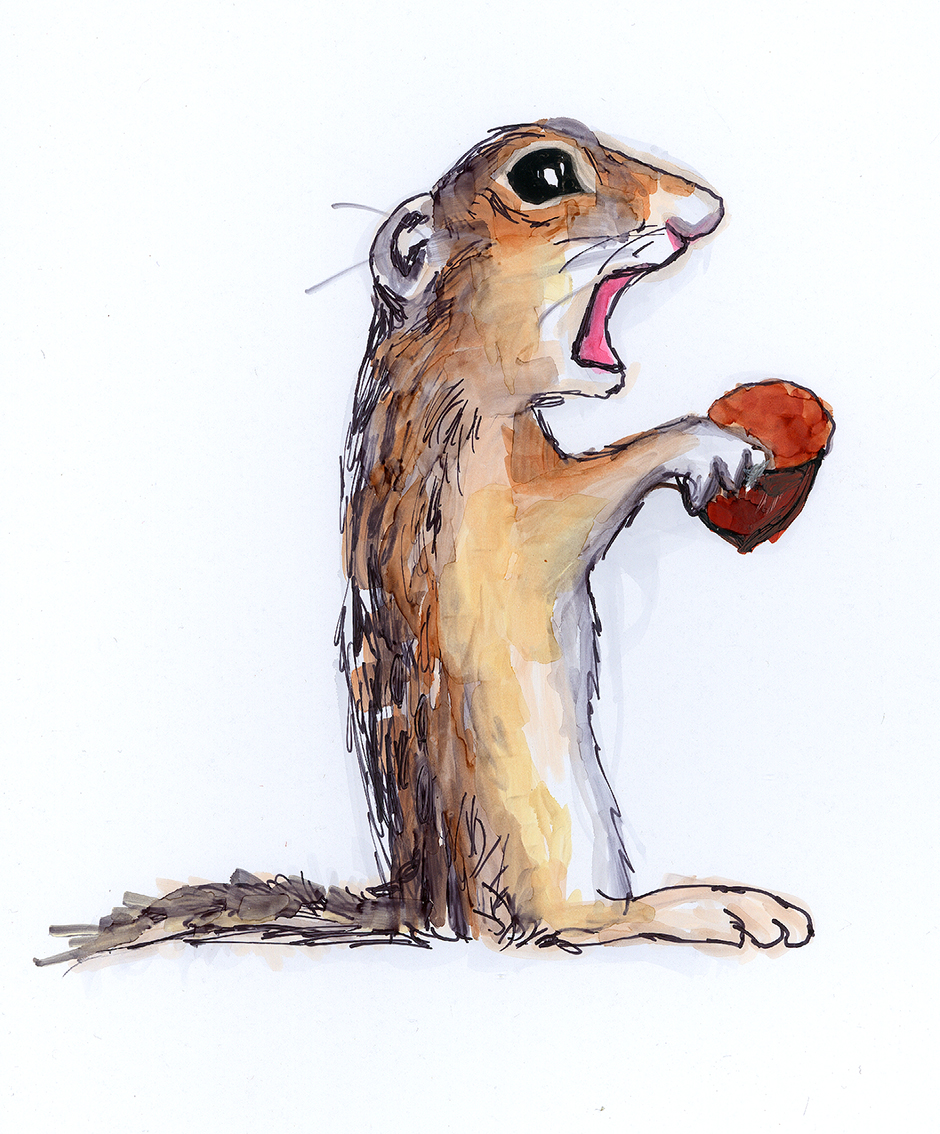
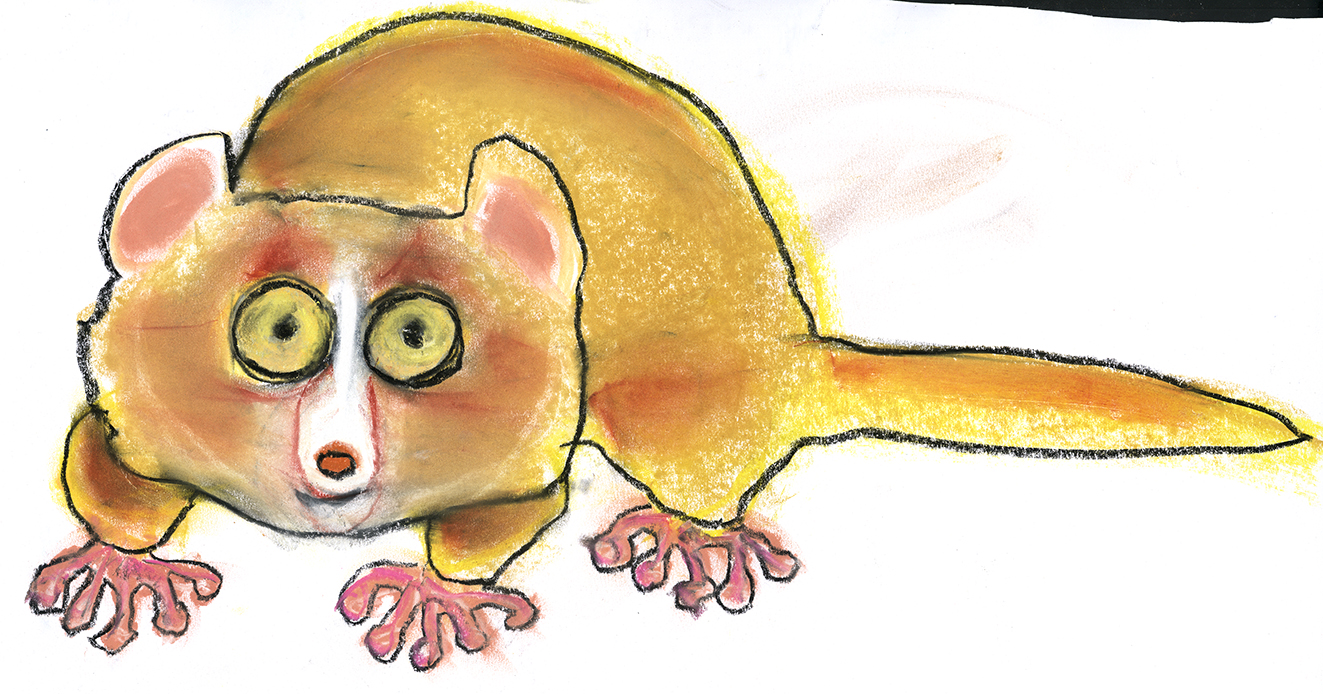
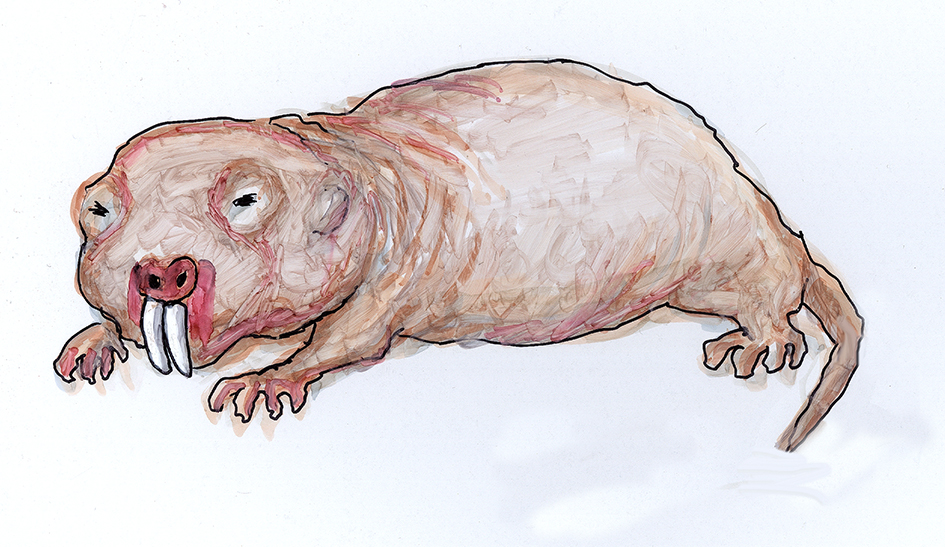
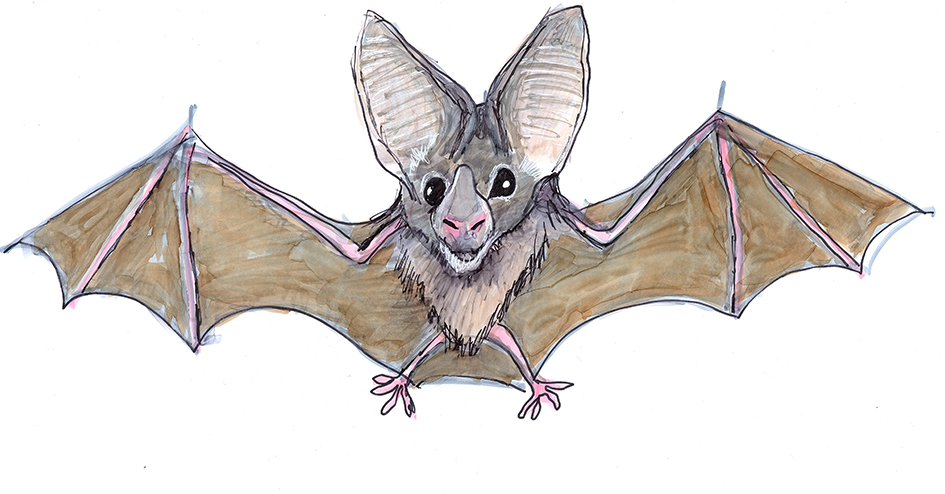
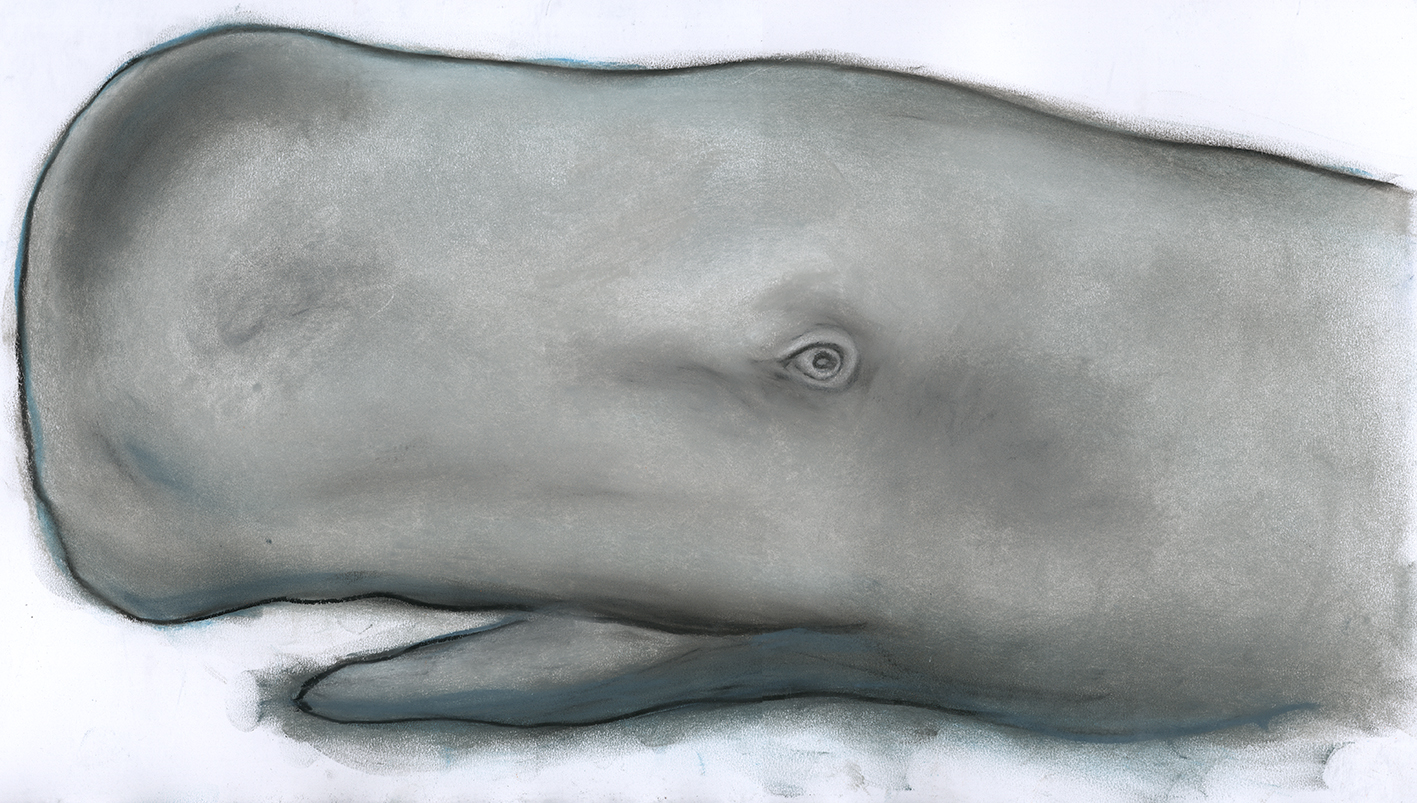
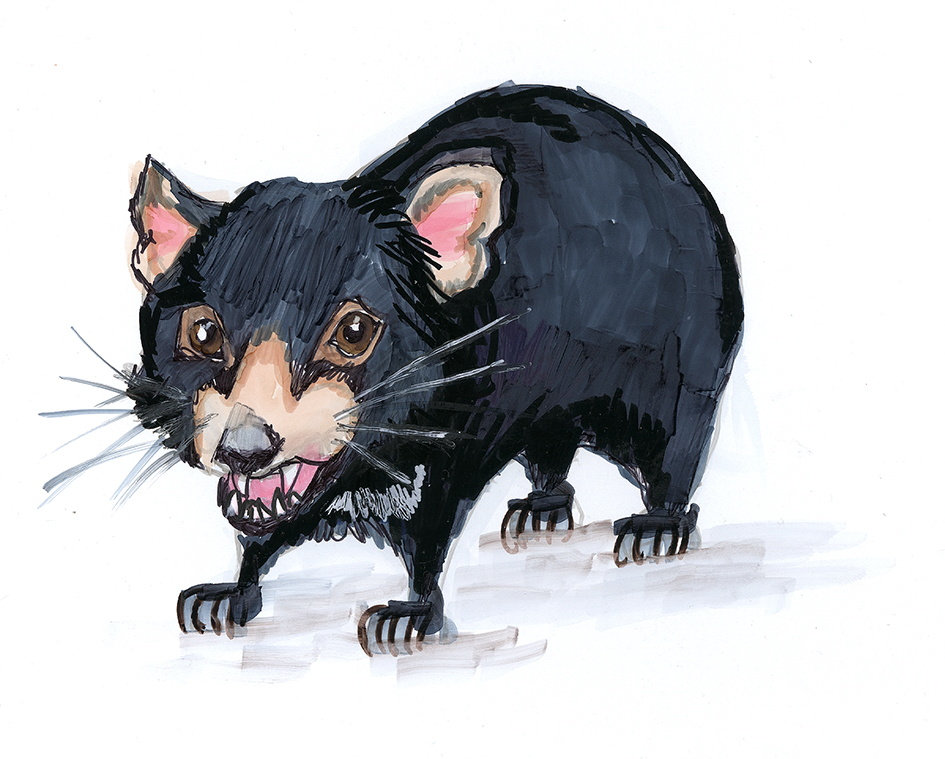
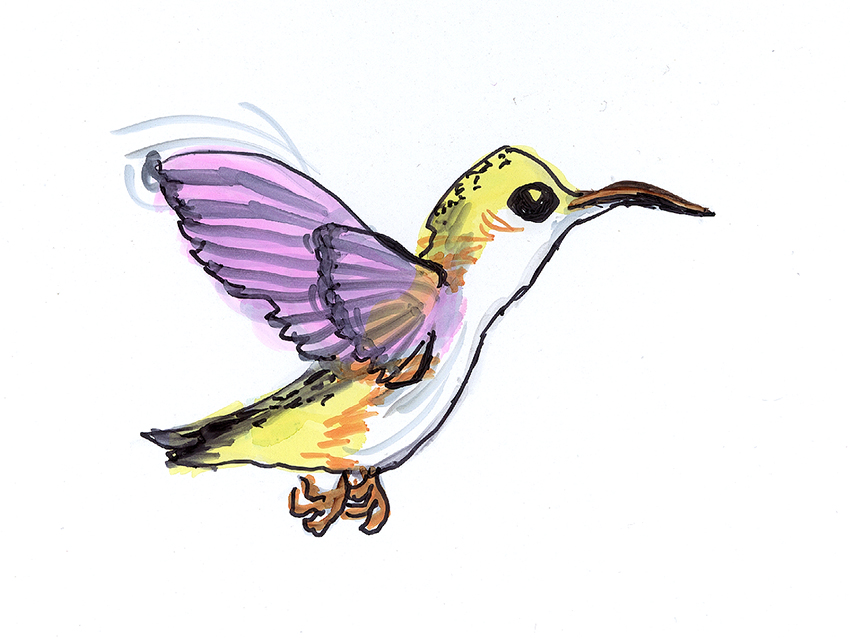
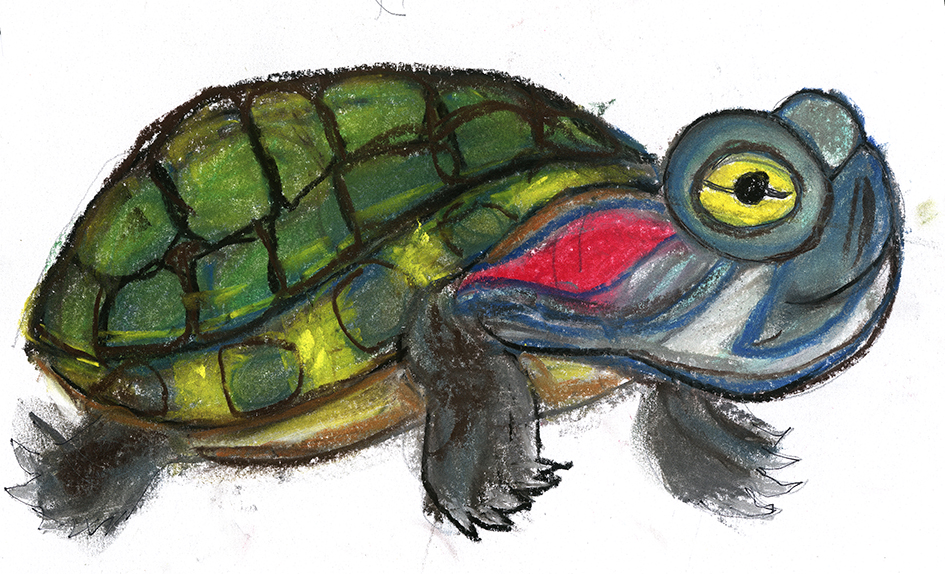
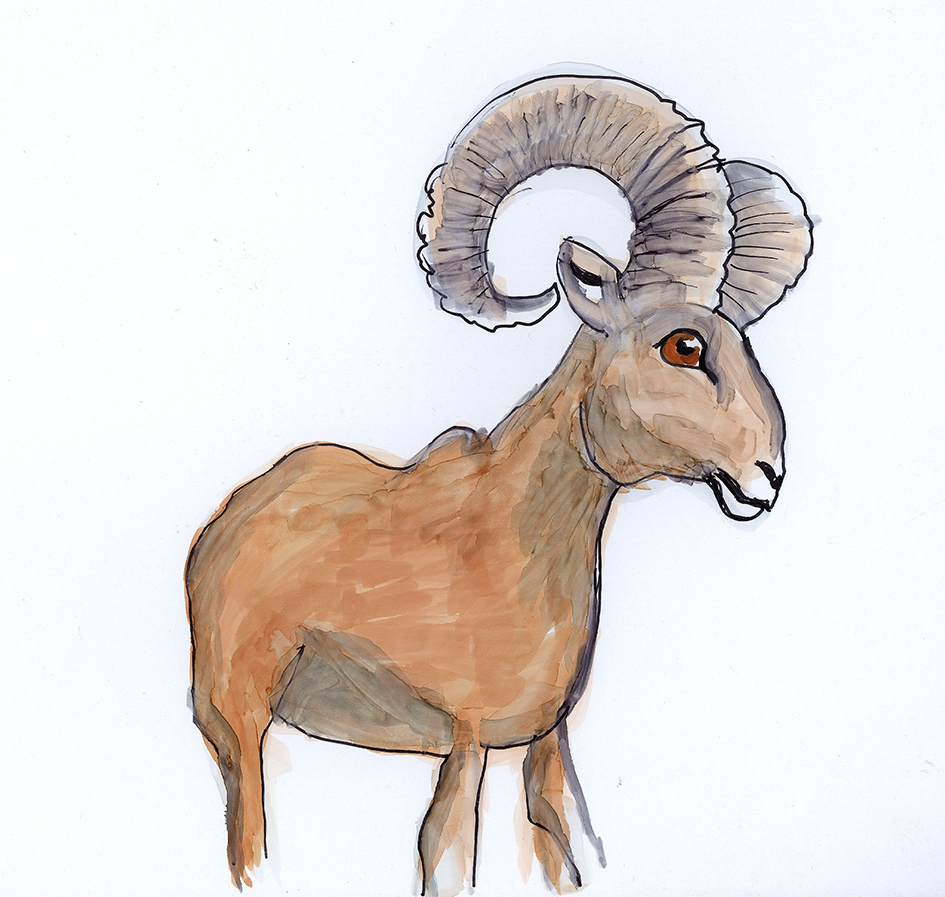
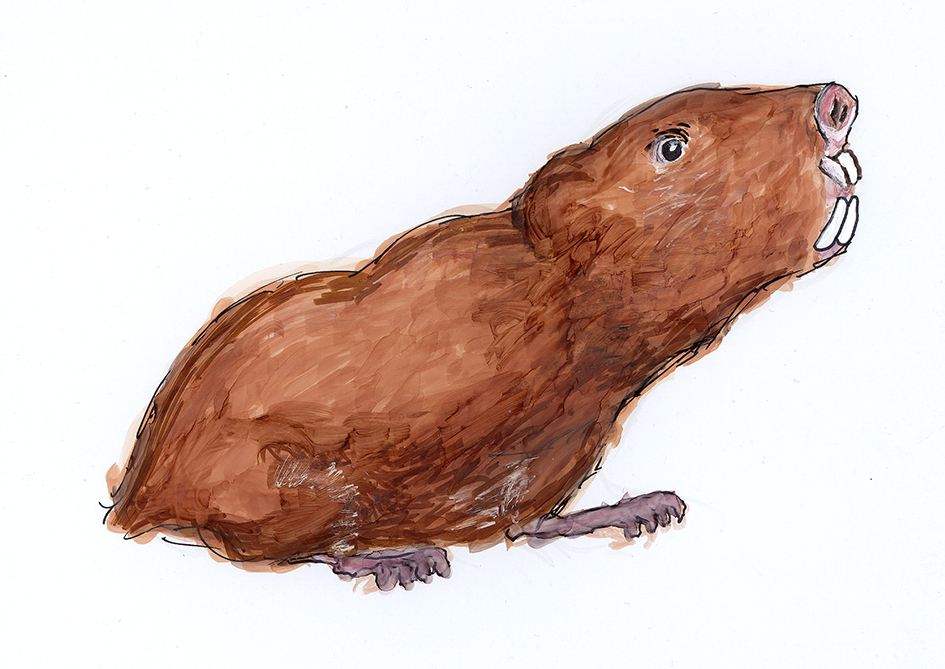
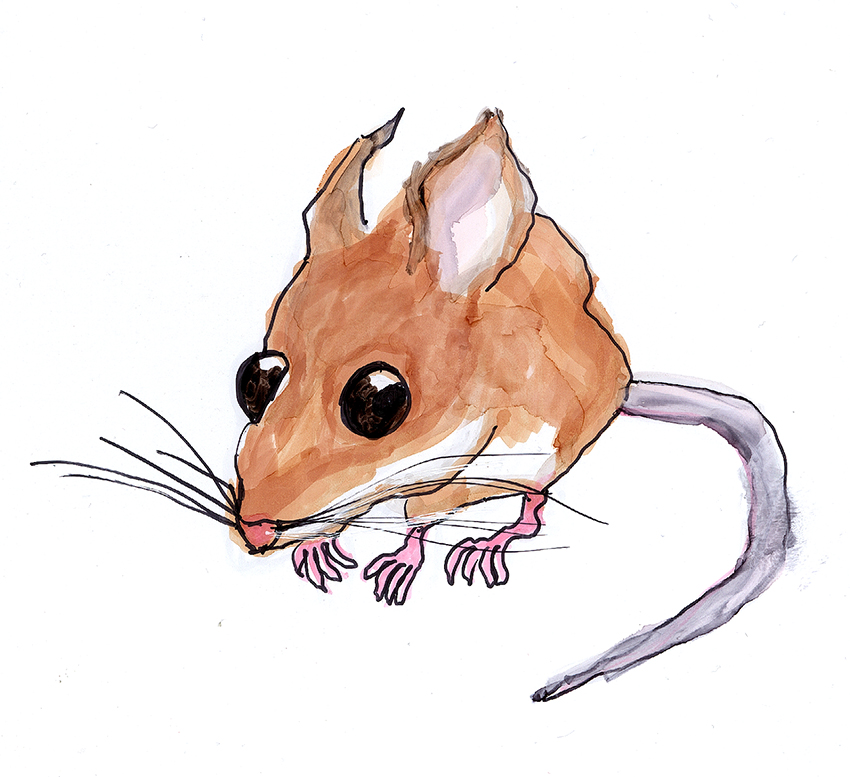
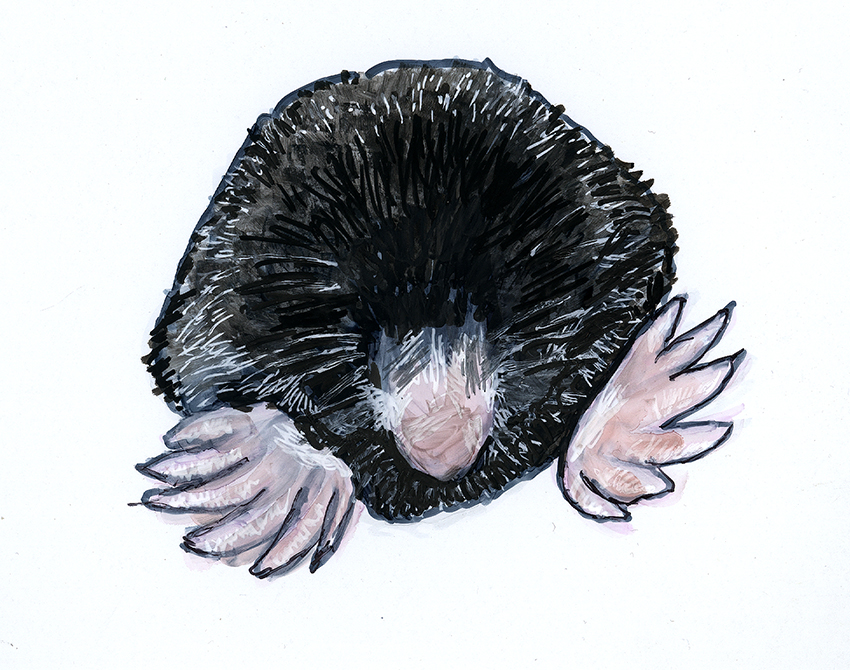
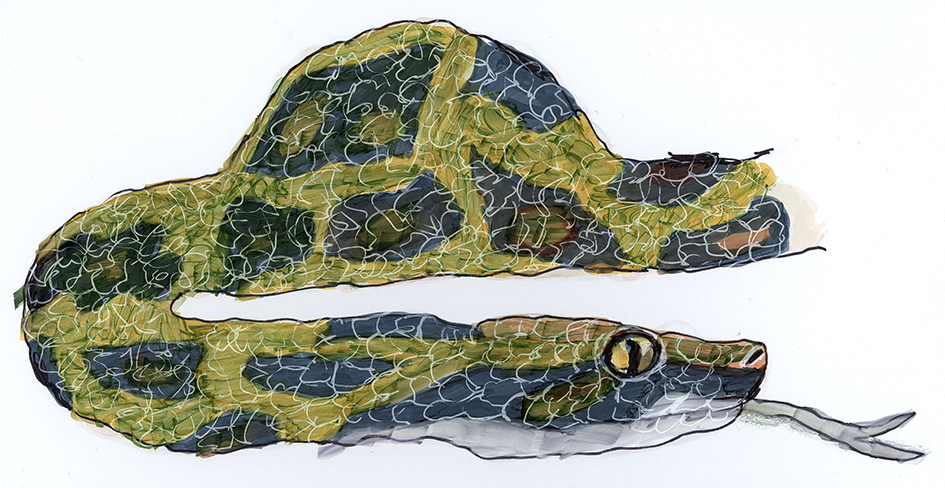
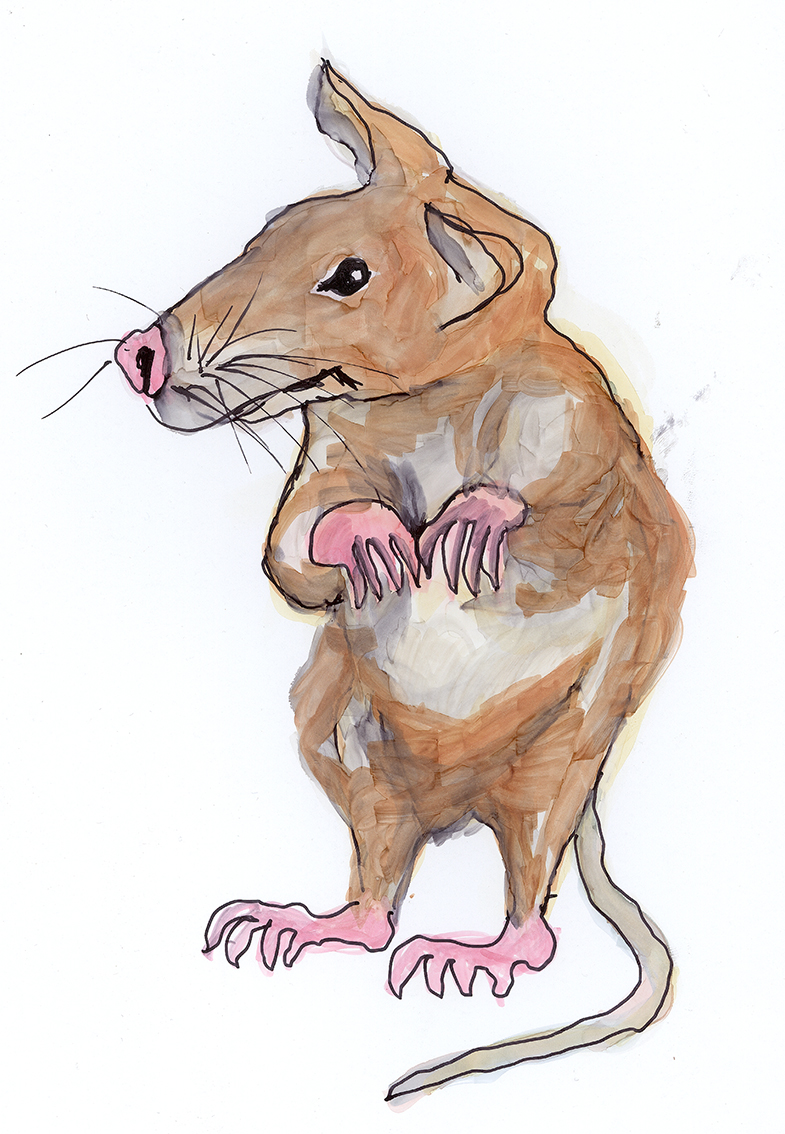
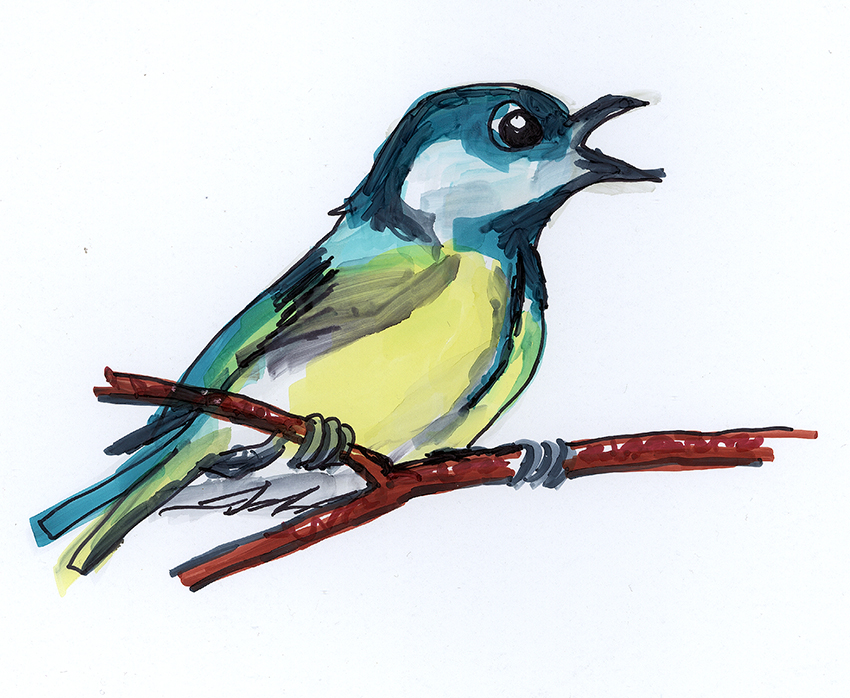
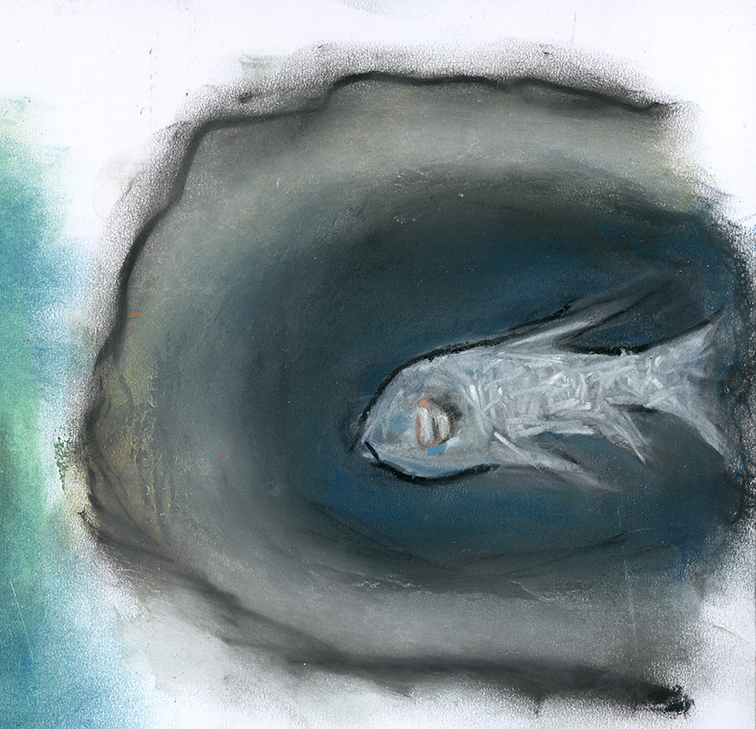
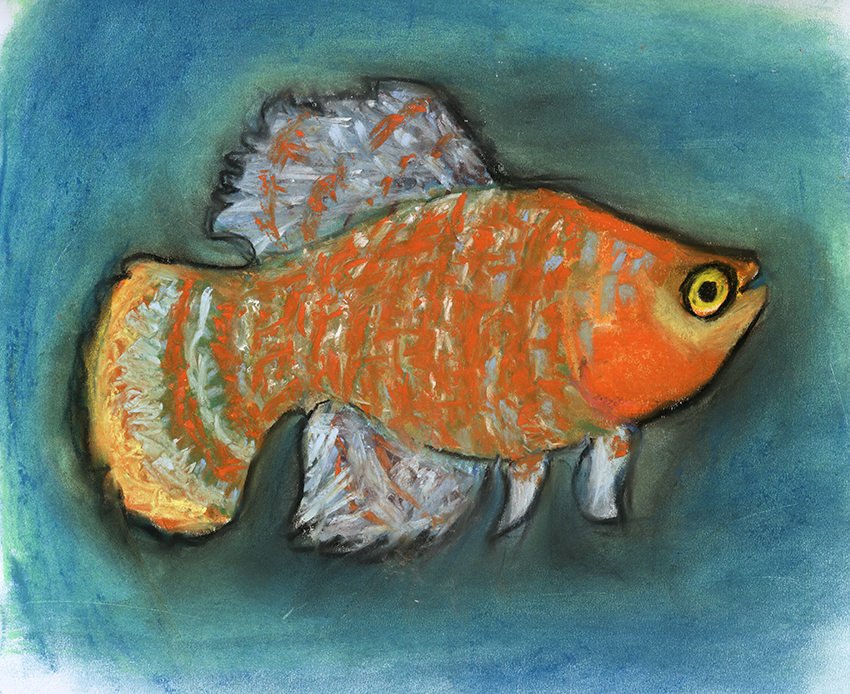
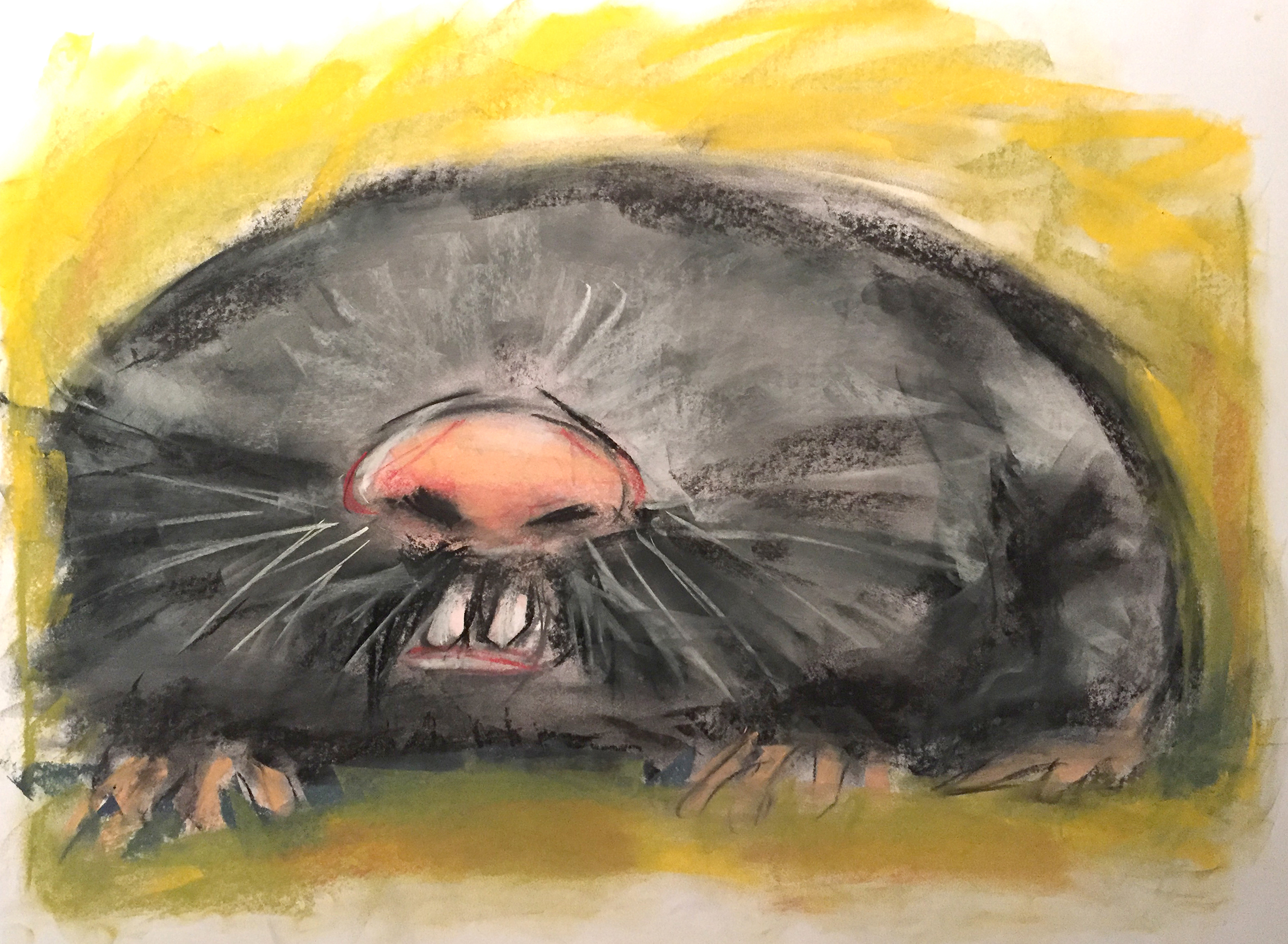
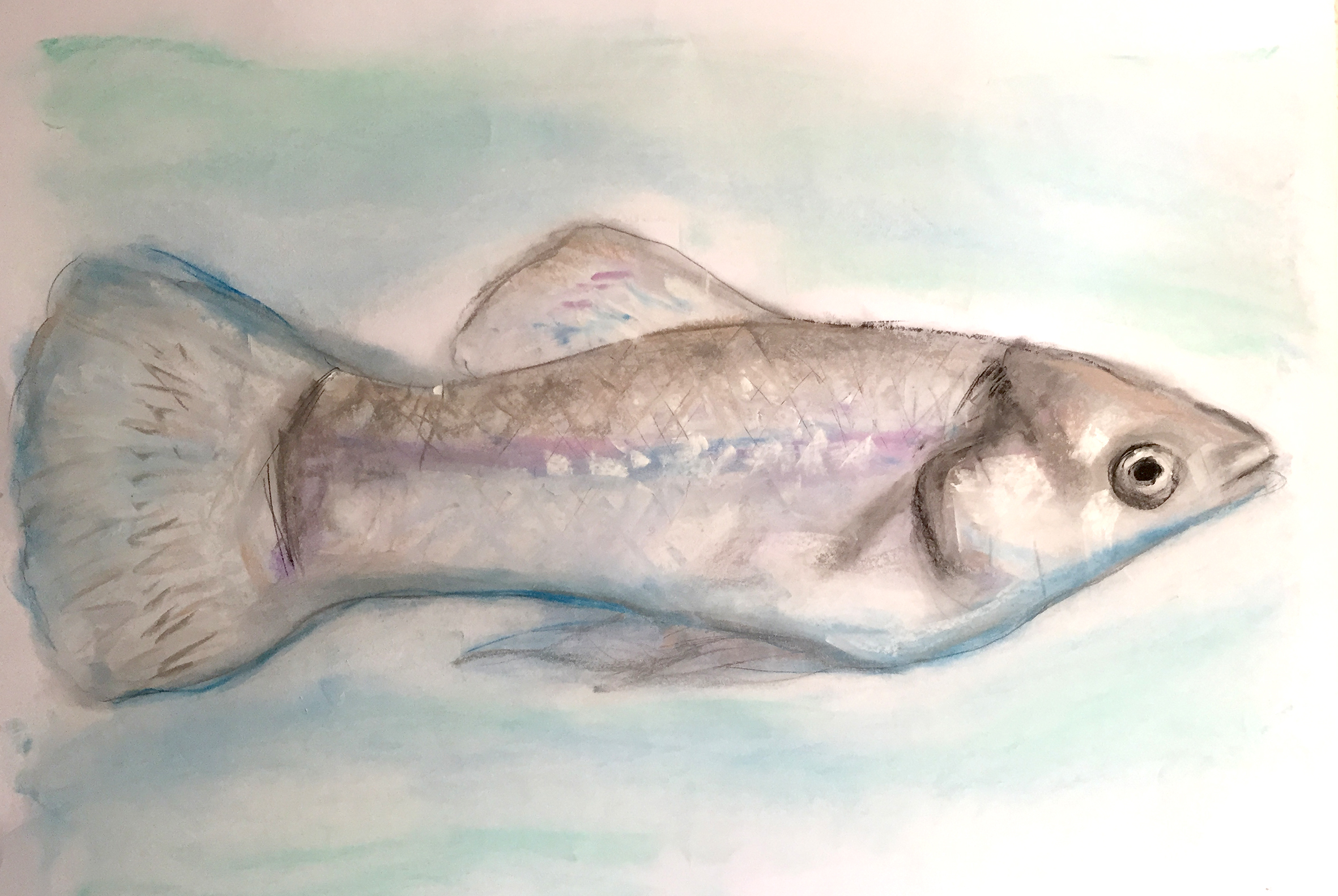
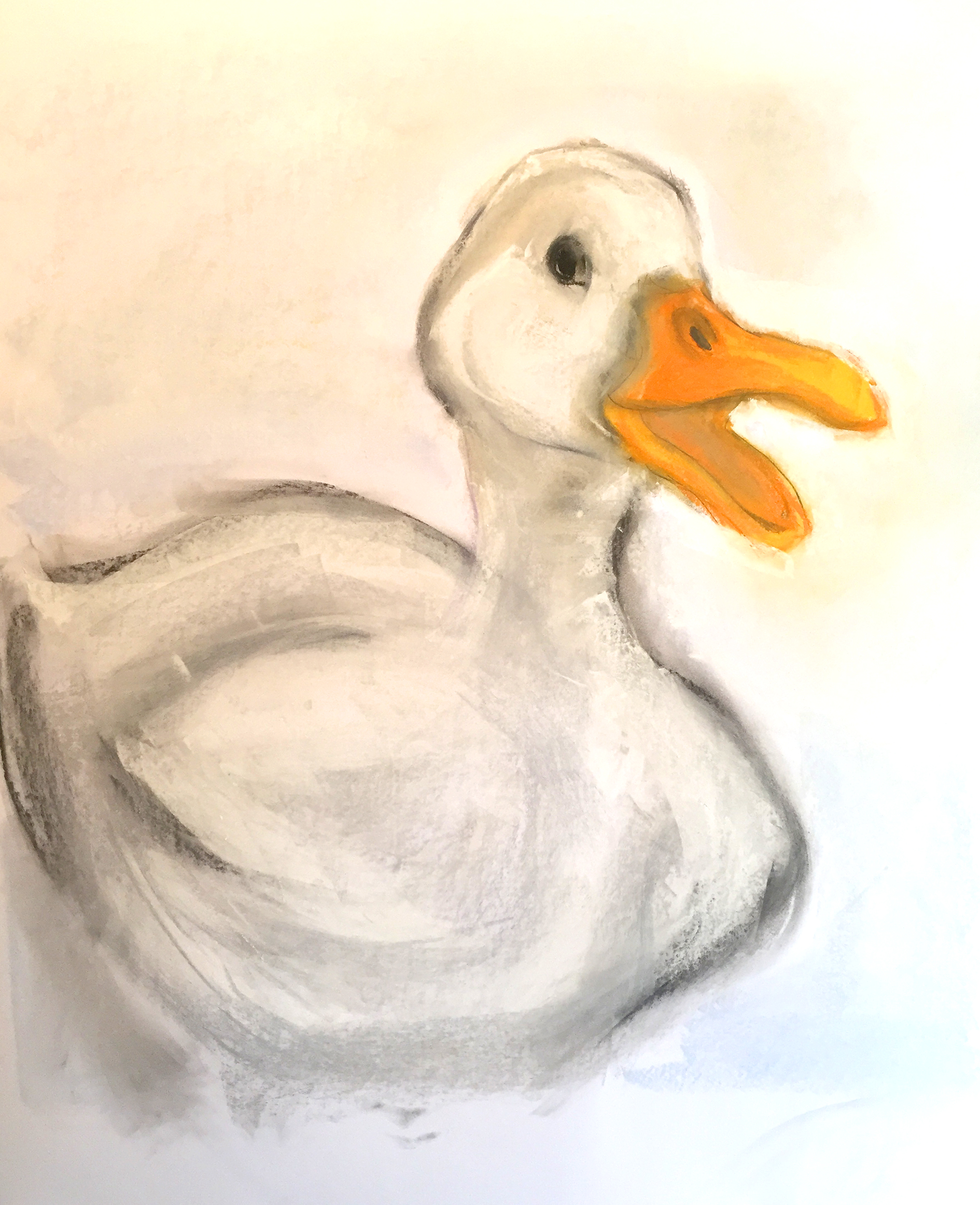
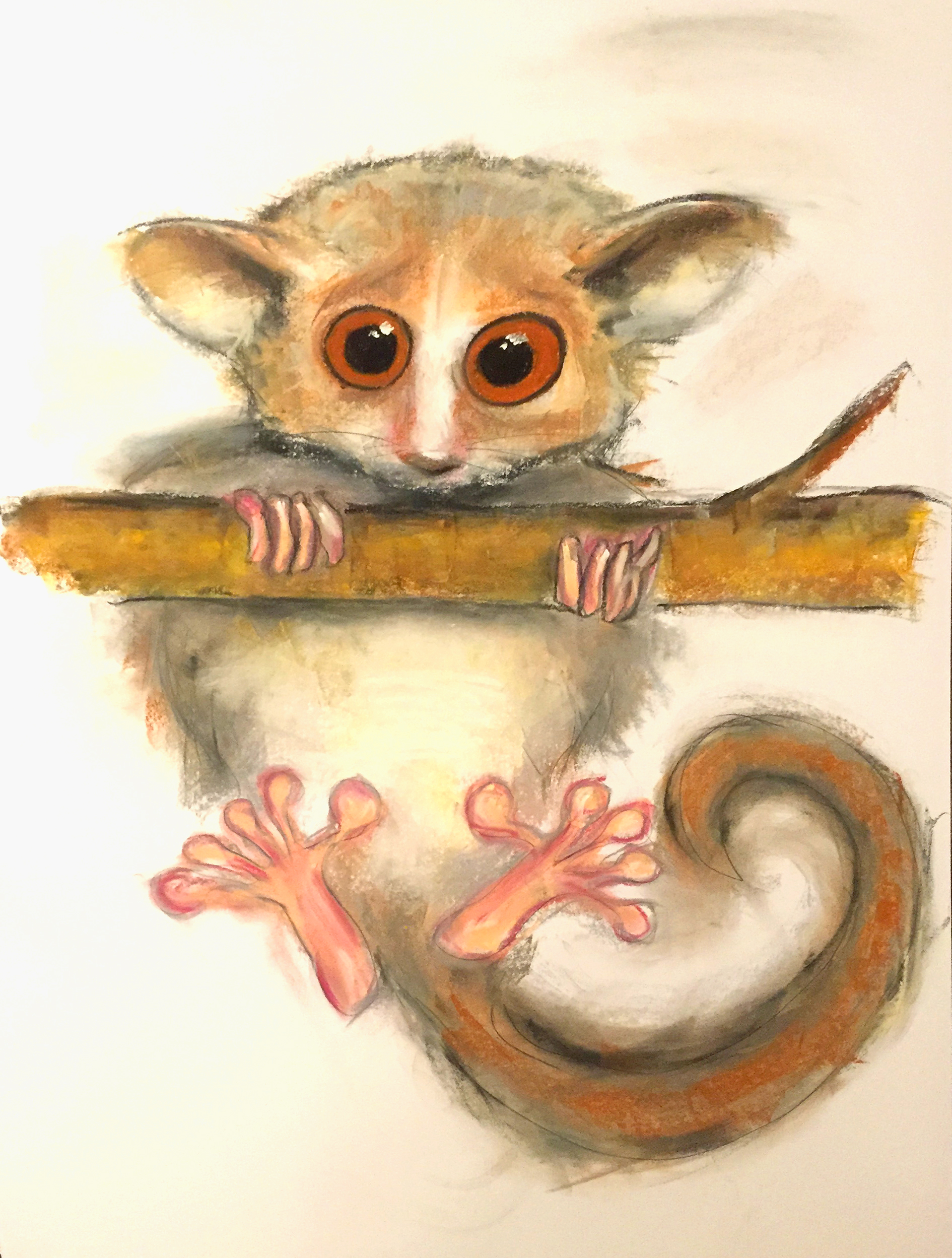
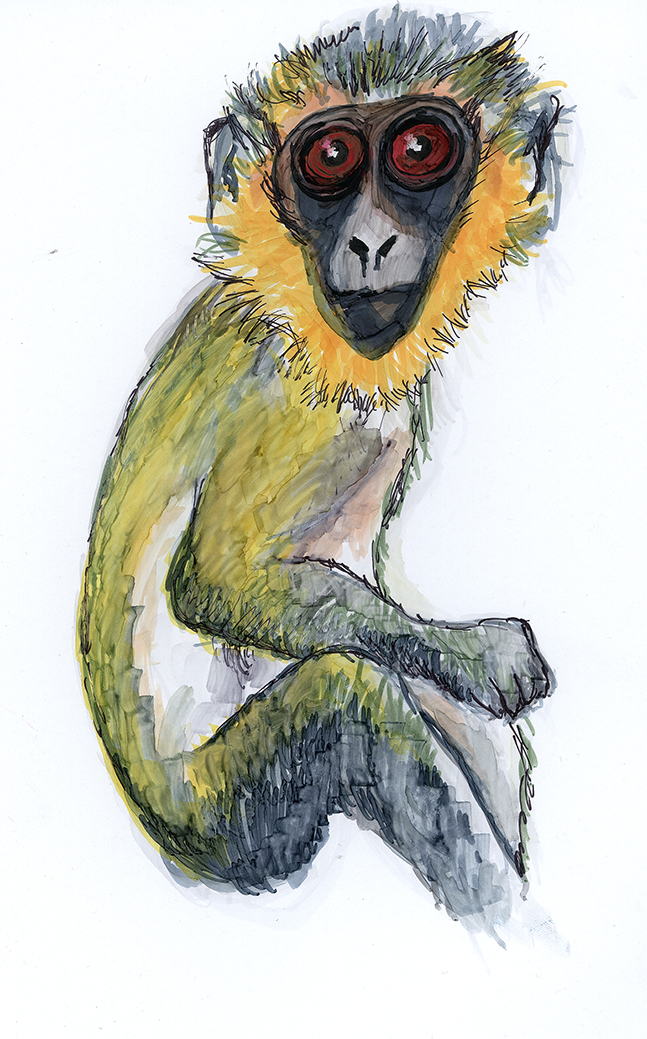
Here are the rest of the animals for the EMBO-sponsored MDC conference just coming to a close in Berlin. Most were done using the Touch pens I use for my cartoons; the last series was done with chalk and pencil, which I am currently using for portraits and so on.

http://meetings.embo.org/event/19-nonmodel-vertebrates

These images are copyright 2019 by Russ Hodge.

New animals for the MDC’s conference on unusual model organisms

The MDC is currently hosting a conference on unusual model organisms used in research; a while ago they asked me to do drawings of the animals that would be covered. Here are some of the pieces I did…

http://meetings.embo.org/event/19-nonmodel-vertebrates

These images are copyright 2019 by Russ Hodge.


Some of the rest can be seen on the poster...


This is about a third of the complete set… more to come!

A bit of (early music) history

I haven’t posted any real examples from my musical activity on this blog, but will soon be posting some recordings to my YouTube channel – here’s an interview related to some concerts I did in 2014 with my instrumental ensemble Syntagma and the “Anglistenchor” of the University of Heidelberg. Enjoy! The instrument I’m playing at the beginning is a treble viola da gamba. The instrument that appears around minute 3 is the bass viola da gamba.