A new model of the relationship between science and communication

This is a version of the “How to see Ghosts” talk, which I use at the beginning of communications training courses. Its purpose is to present a model of science communication that I have developed as the basis of these courses. I think this model has profound implications for the way science is communicated to very diverse audiences, the way science is taught, and the way research is conducted.

This version of the presentation was delivered as the first half of an on-line workshop for the FZU in Prague, May 5, 2021.

If you find this interesting, please share it with your colleagues.
“The case of the short-fingered musketeer” complete on-line

Dear friends,

In July this year, a new paper regarding the Musketeer story appeared in the journal Circulation.

In honour of that accomplishment, I am putting the complete book on-line.

Click here to download and read the electronic file of the complete book.

At the time the book was written, the story wasn’t finished; many questions remained about the scientific and medical mystery it described. In 2015 came a new paper that finally resolved major questions, and a new chapter of the book. You can download that here:

Chapter 21

The new Circulation paper takes the story even further – which means there will probably be a Chapter 22 in the near future. Stay tuned!

Charlie and Fitzroy and the very strange bugs

Dear friends,

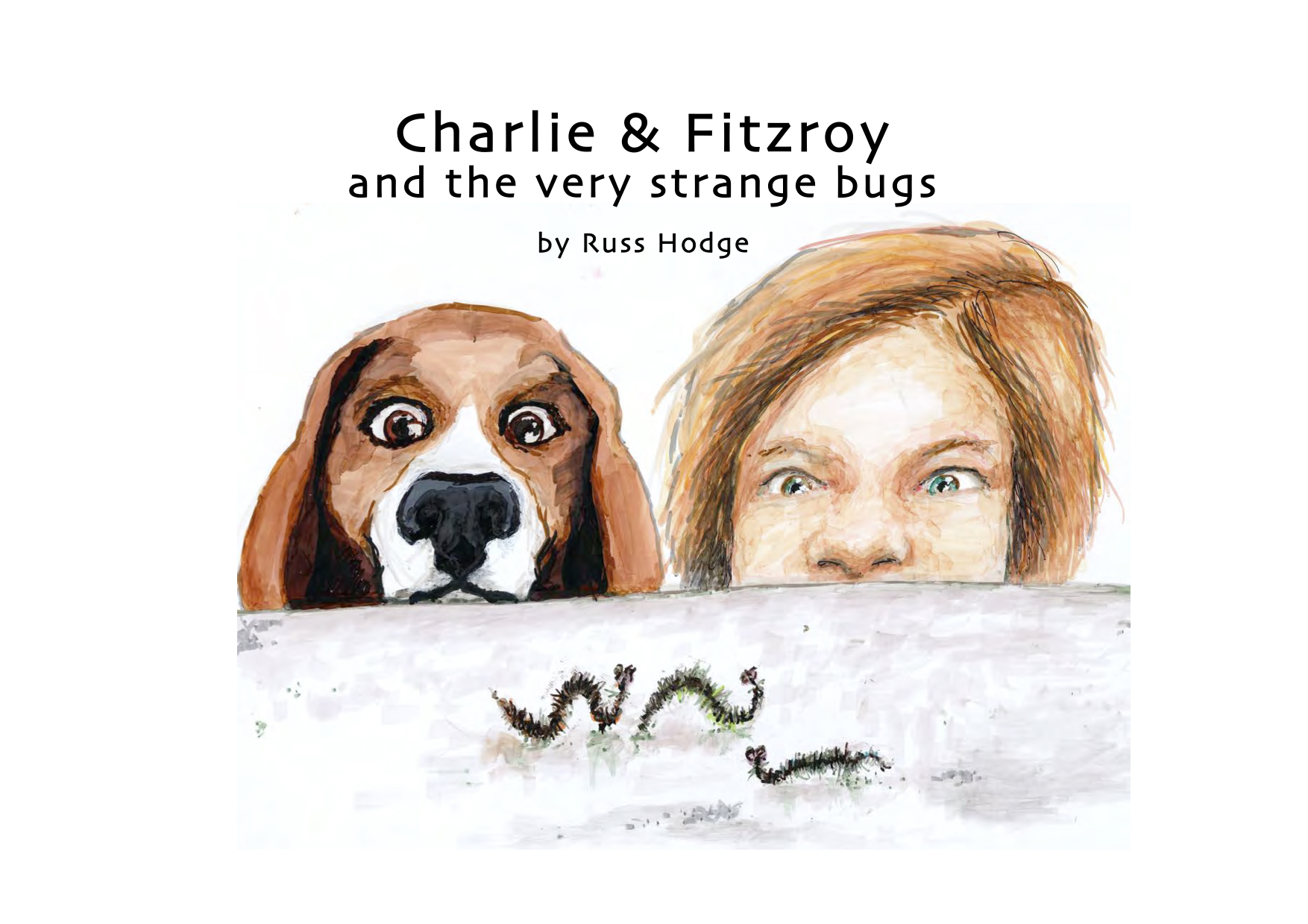
After a VERY long Corona hiatus, I am finally adding some new material to the blog! The first entry is “Charlie and Fitzroy and the very strange bugs,” a book for children about evolution.

First comes the English edition; German will follow soon.

There are a few pages of notes for parents and teachers at the end. The book is targeted for grade-school children; it probably works best for kids aged 7 to 11; I’d greatly appreciate feedback on your experiences with it.

The basic idea is that there is evidence for evolution all around us, if you just know where to look. While exploring the woods near their house, Charlie and her dog Fitzroy discover some strange bugs. By watching what happens to them over the next weeks and months, they stumble on the basic principles of evolution. Along the way they meet a strange old man who has thought about this for quite some time…

Click here to view or download the whole file.

(It’s 7MB, so it may take a while.)

I will also have a few printed copies for sale soon.

Enjoy!

Fresh from the Quarantine: An image of the Coronavirus

It’s been a long time since an update – I know! Sorry! But I’ve been busy and the drought is now officially at an end.

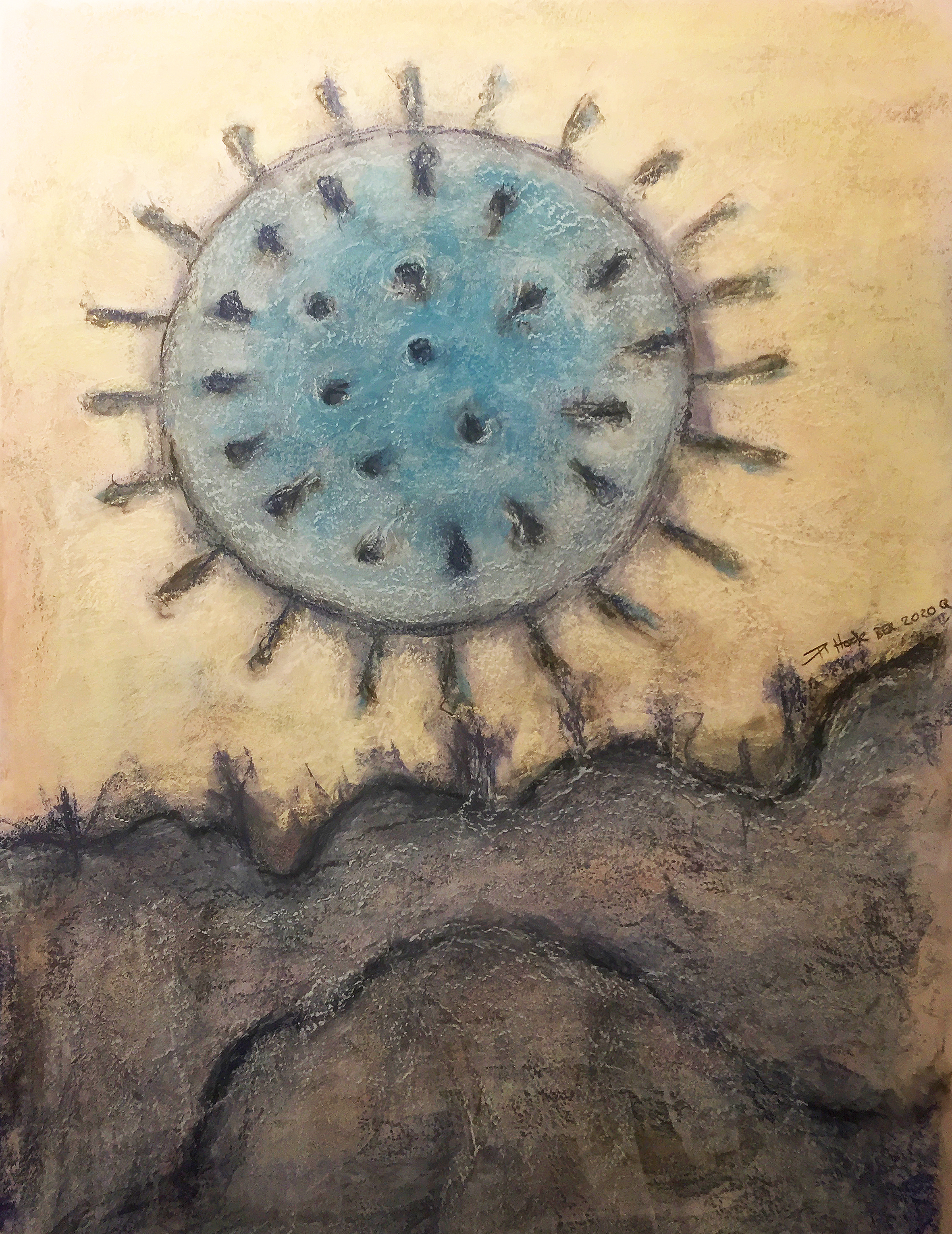
I’ve just finished a new painting of the coronavirus interacting with a human cell…

I’m offering it freely to anyone who would like for any non-profit publication or other use – just cite the following:

Artwork by Russ Hodge, www.goodsciencewriting.wordpress.com

I’ve done a lot of painting during the quarantine and will be posting it soon at my on-line studio: www.russhodge.wordpress.com


In case you haven’t seen it…

In case you haven’t visited the site in a while…

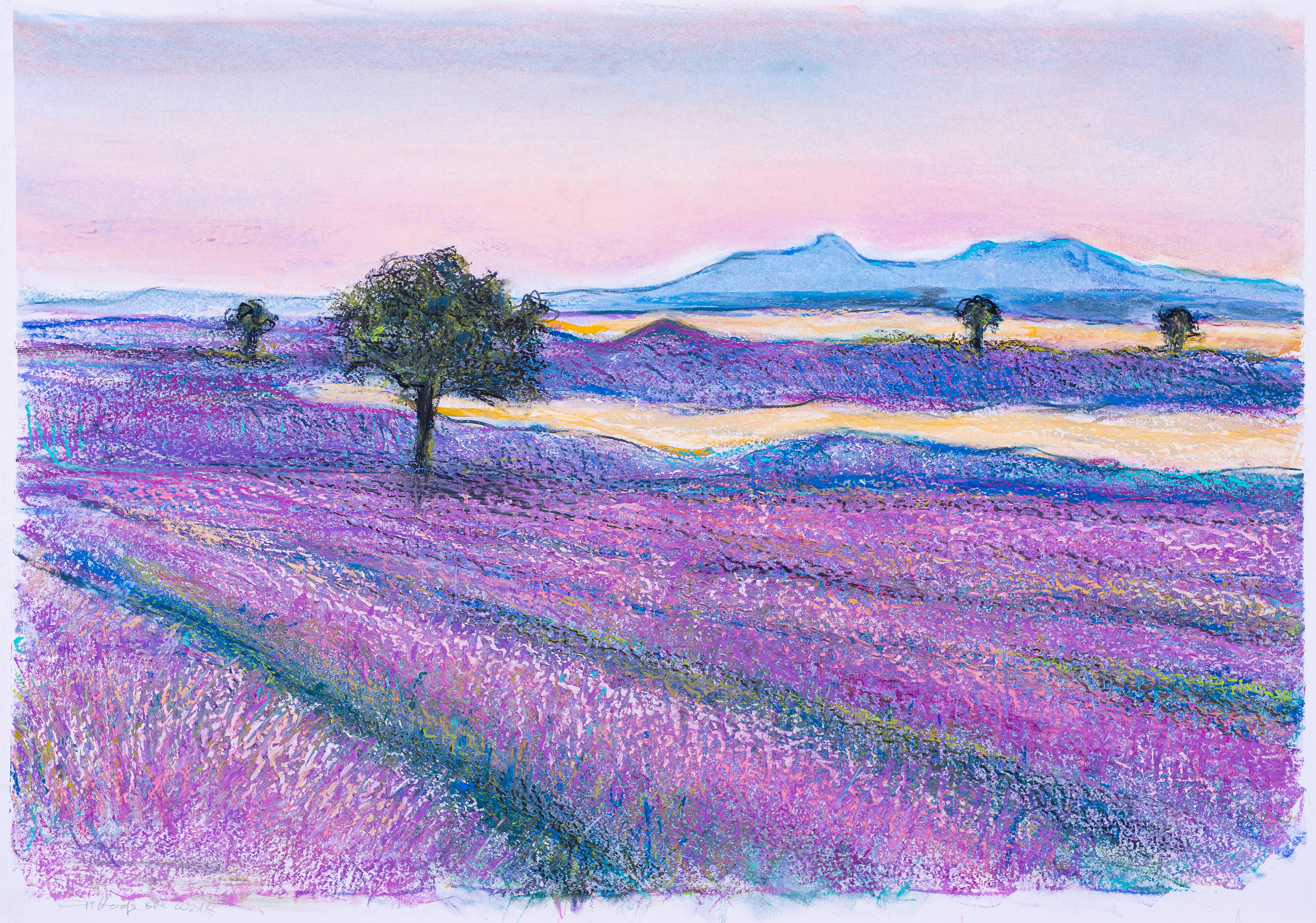
I am posting my artwork now on my new “studio” blog. If you like the non-scientific artwork, check in there from time to time. A couple of the newest pieces are below.

And for those of you in the Berlin area, I’m giving a concert and having an exhibition of my paintings in Neukölln in mid-March… If you’re interested in attending the concert, space is limited, so drop me a line and I’ll reserve you a seat.

Tell your friends!

Both events are hosted by the Wunderkammer; check out the rest of their program at the Wunderkammer website.

New blog for artwork

Dear friends,

I’ve just started a second site – russhodge.wordpress.com – where I’ll be publishing my non-scientific paintings from now on. If you’re interested, visit the site. It’s still not complete, but there are already over 200 works in the galleries, most of which are for sale as originals or reproductions. I’ll be adding the titles and names to the portraits over the next few days.