Full of fun stories about the amazing diversity encoded in the human genome…
You can get a copy by stopping by our offices at the MDC in Mitte or Campus Buch…
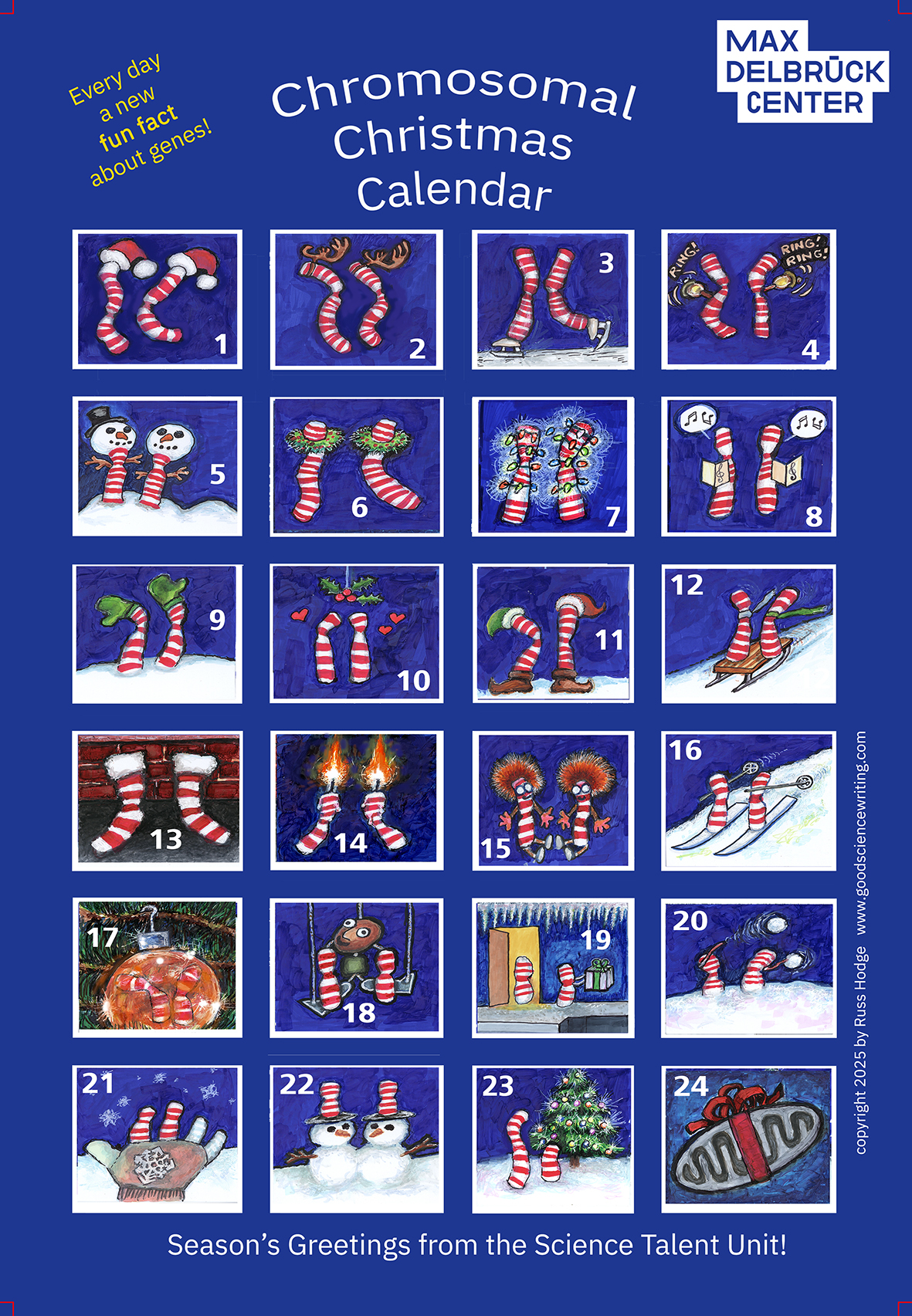
Full of fun stories about the amazing diversity encoded in the human genome…
You can get a copy by stopping by our offices at the MDC in Mitte or Campus Buch…
My five-part, personal story of an adventure on the trail of an ancient Bible in Turkey…


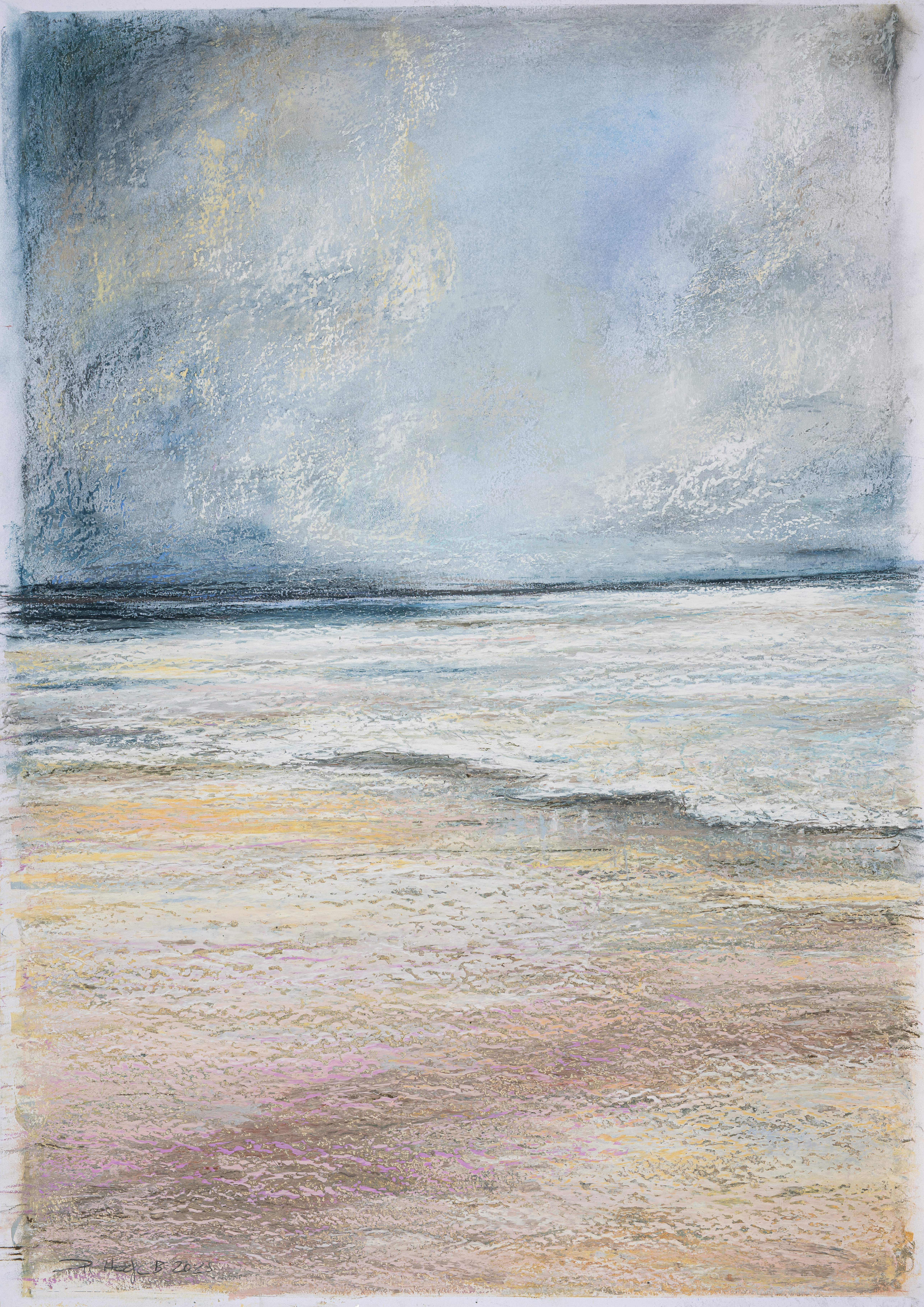
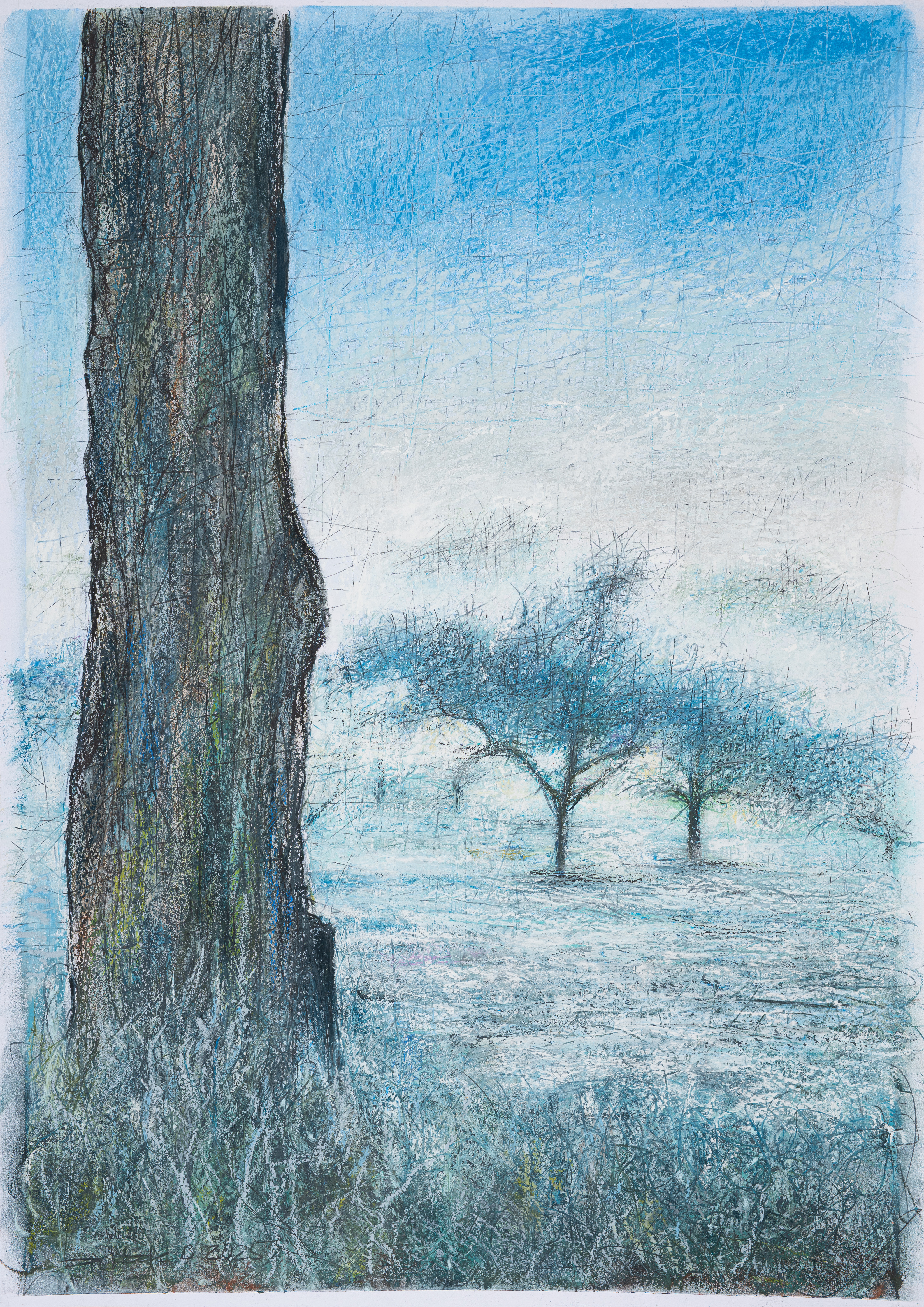
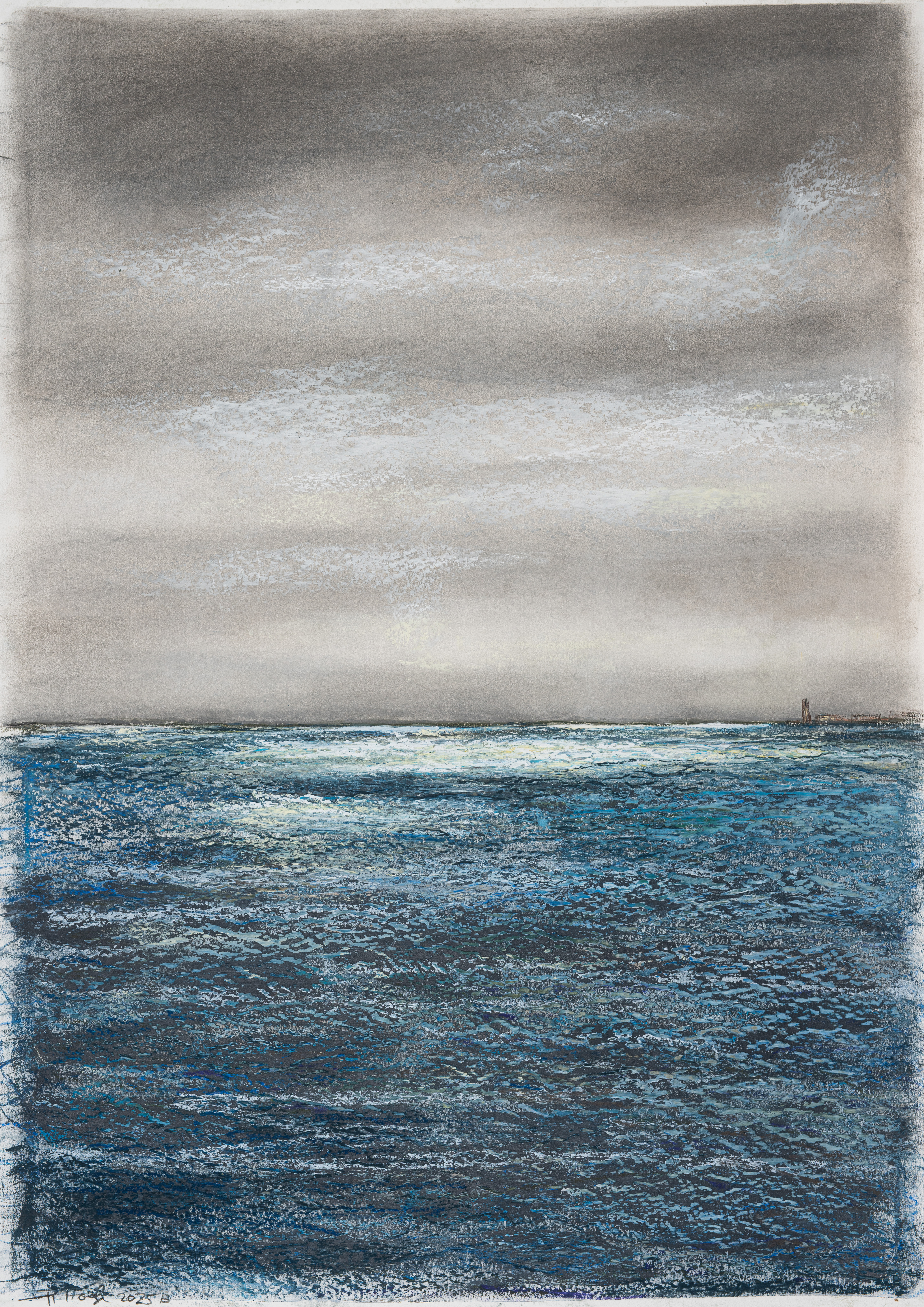
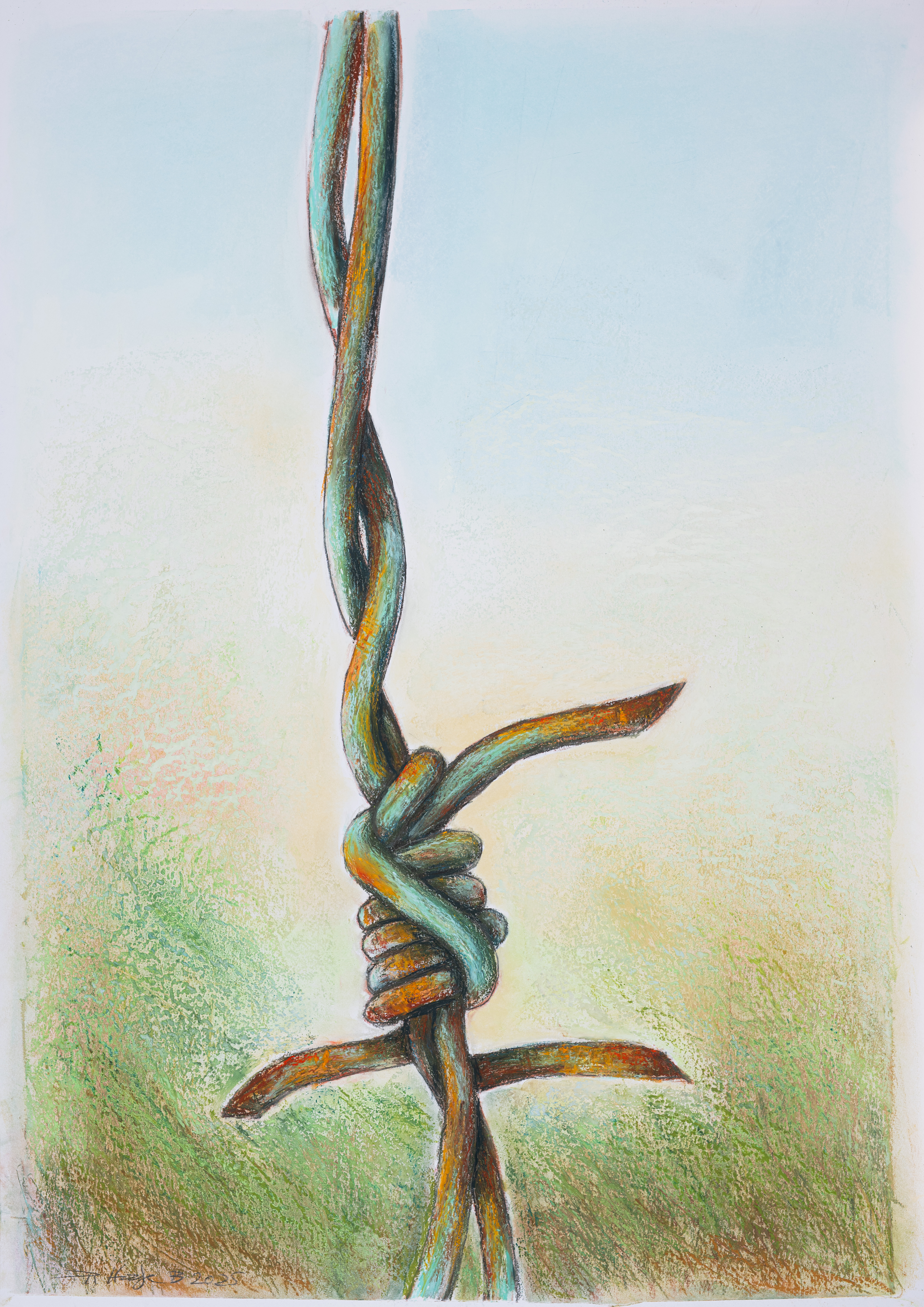
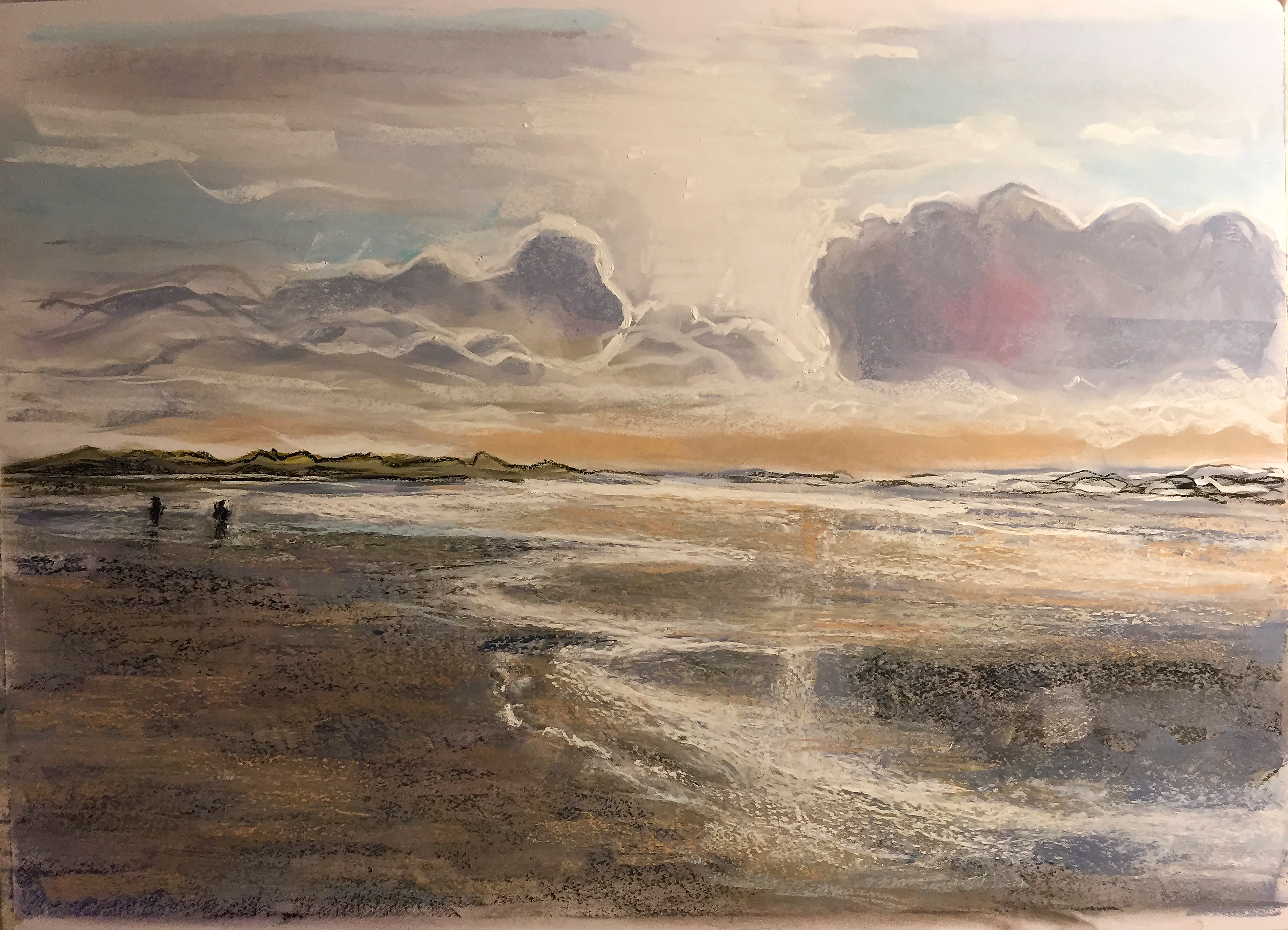
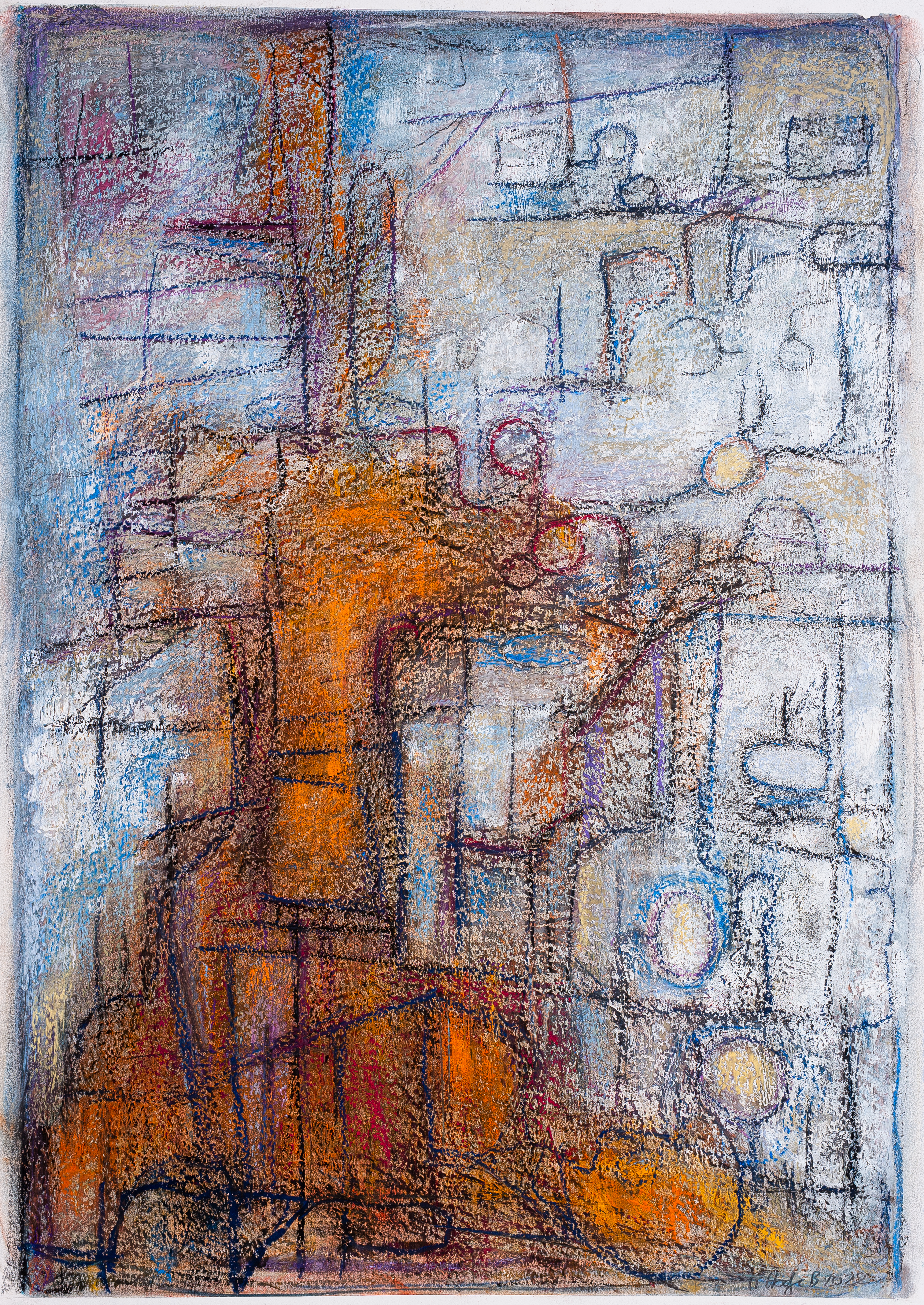
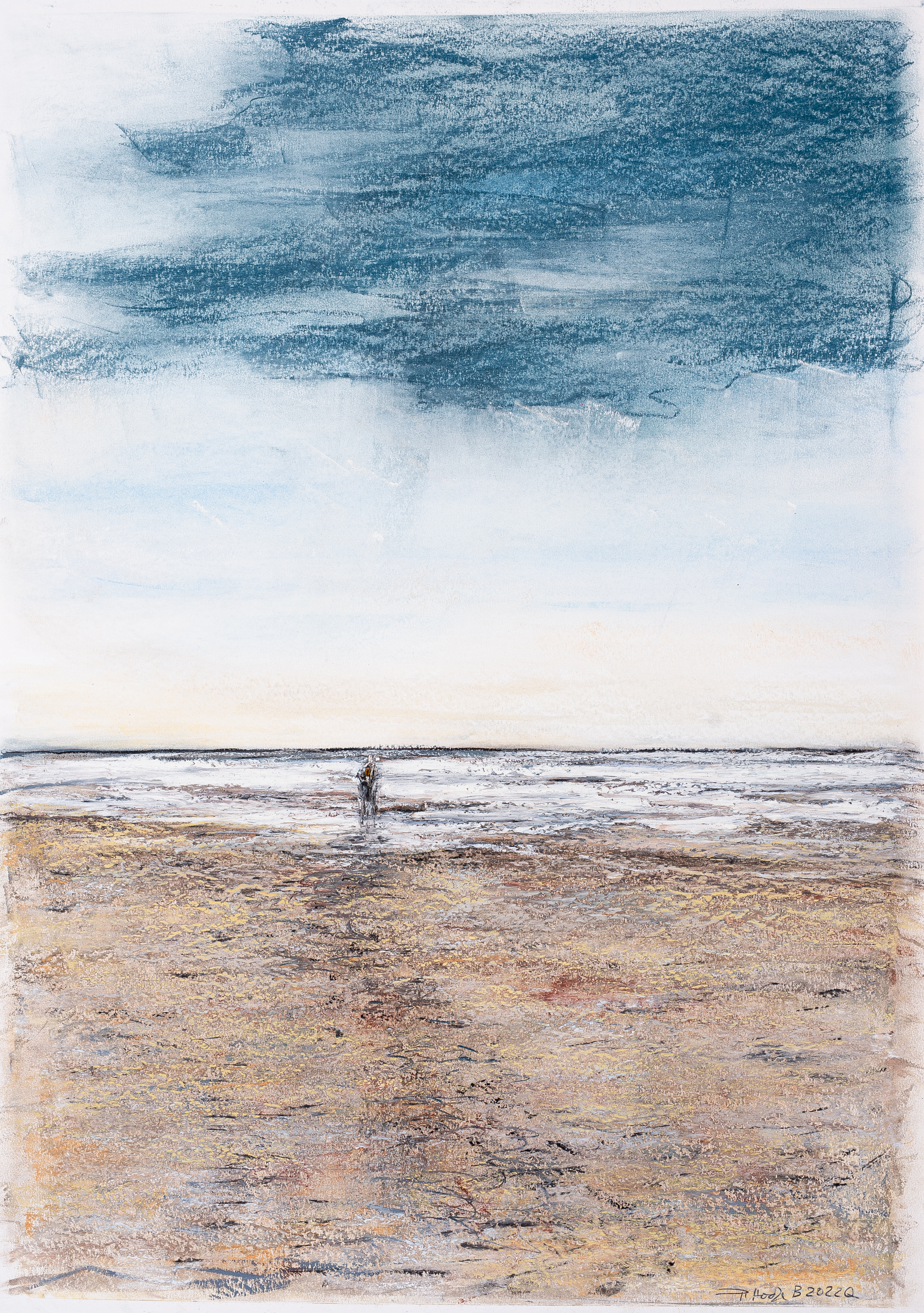
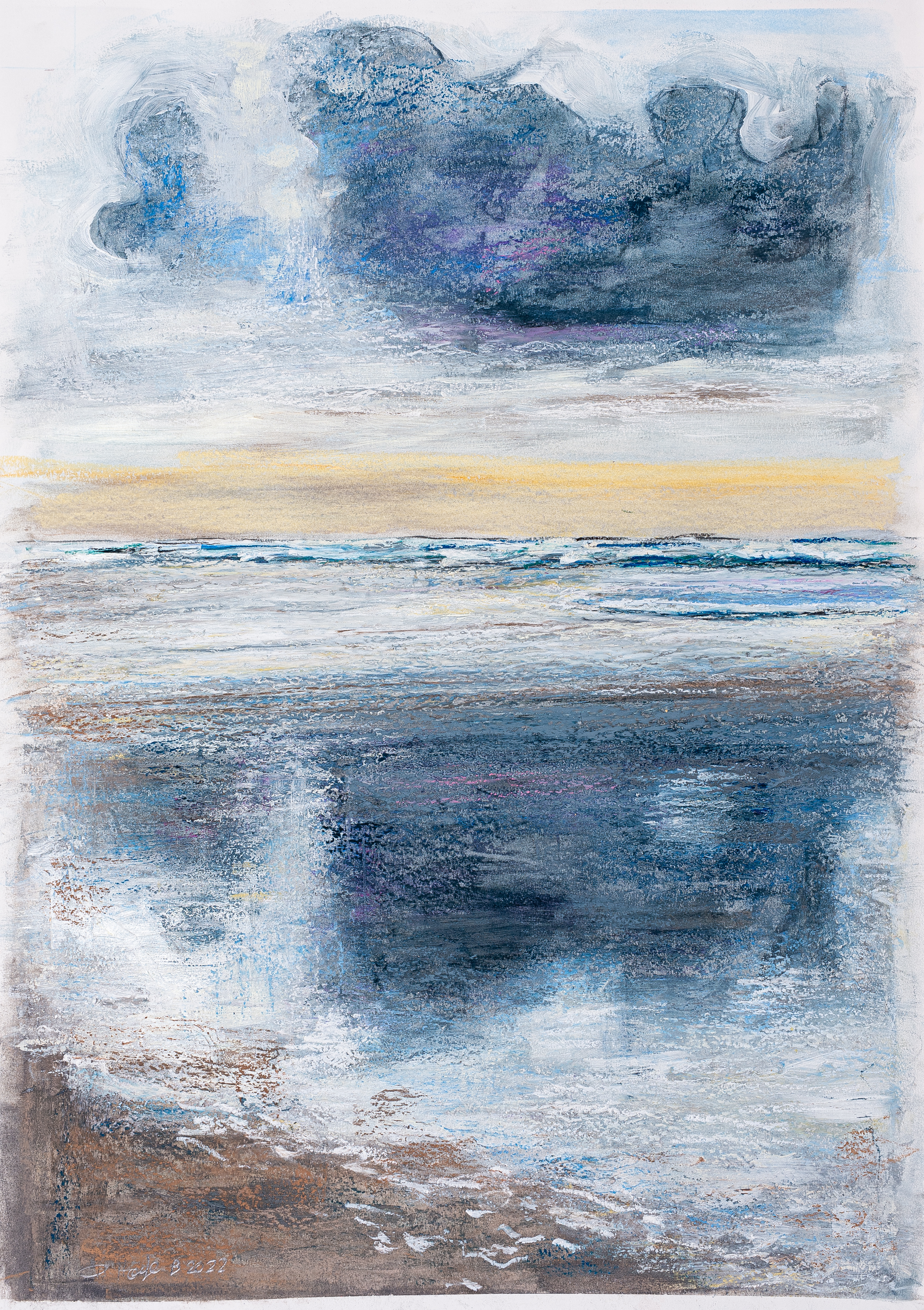
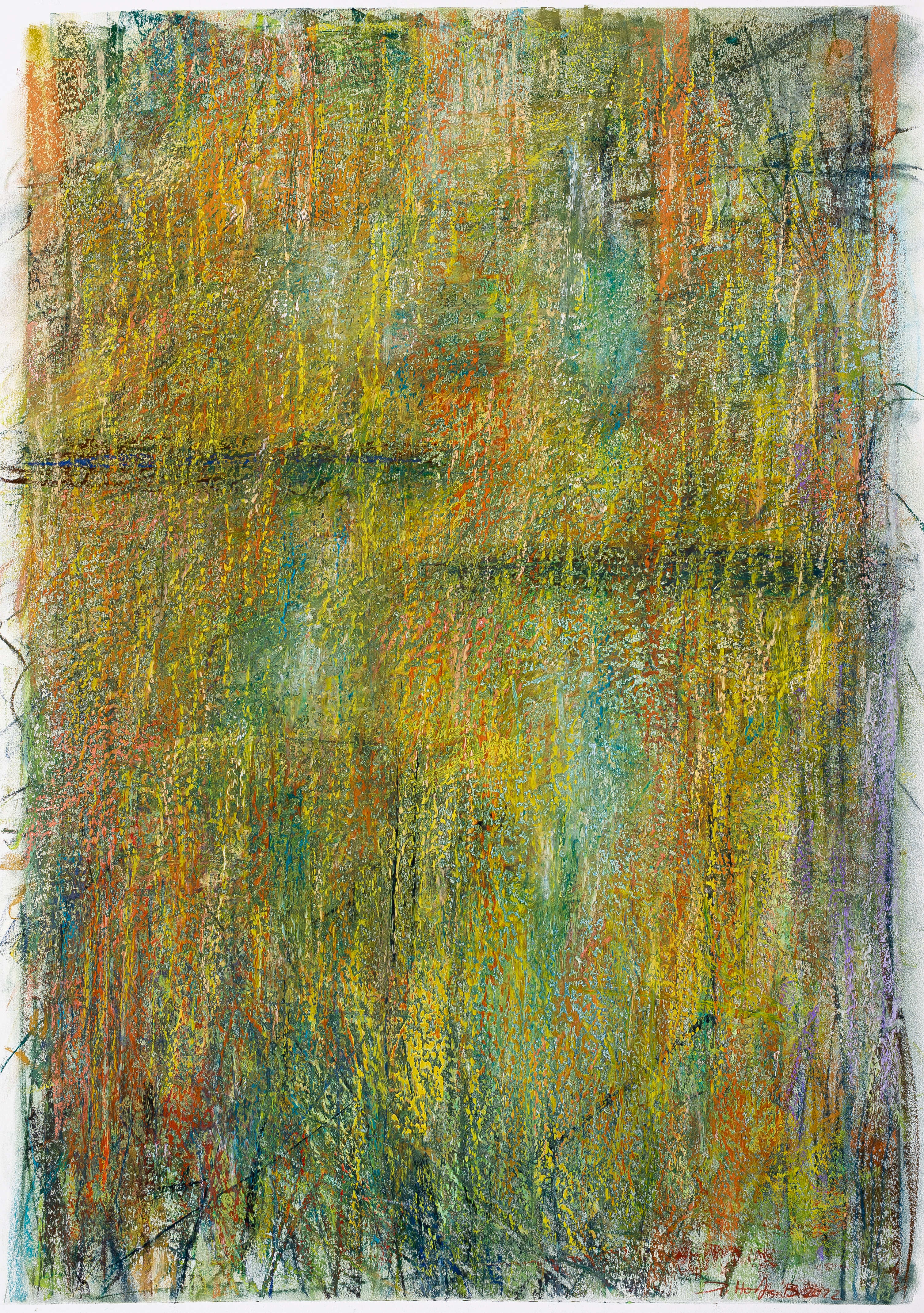
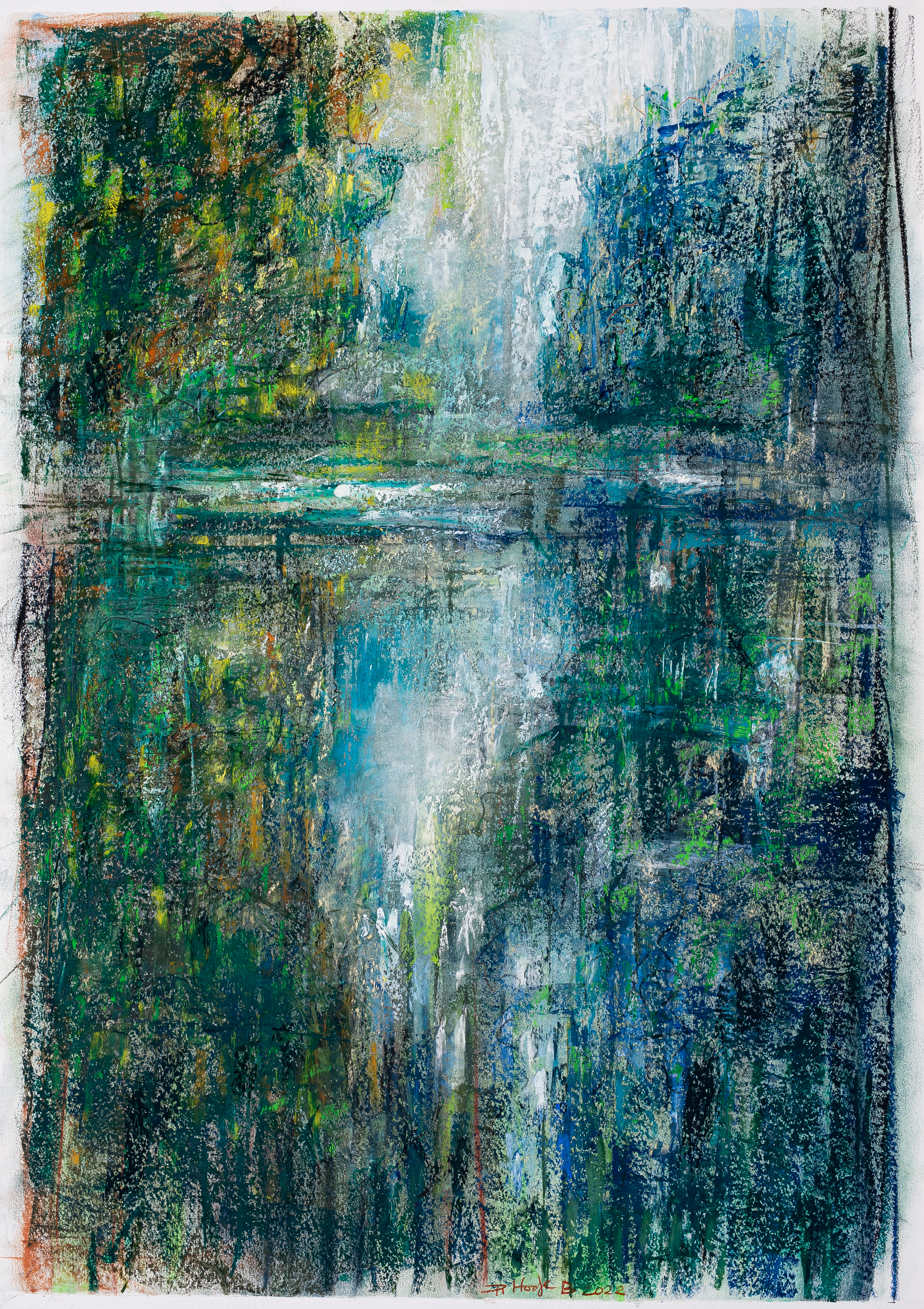
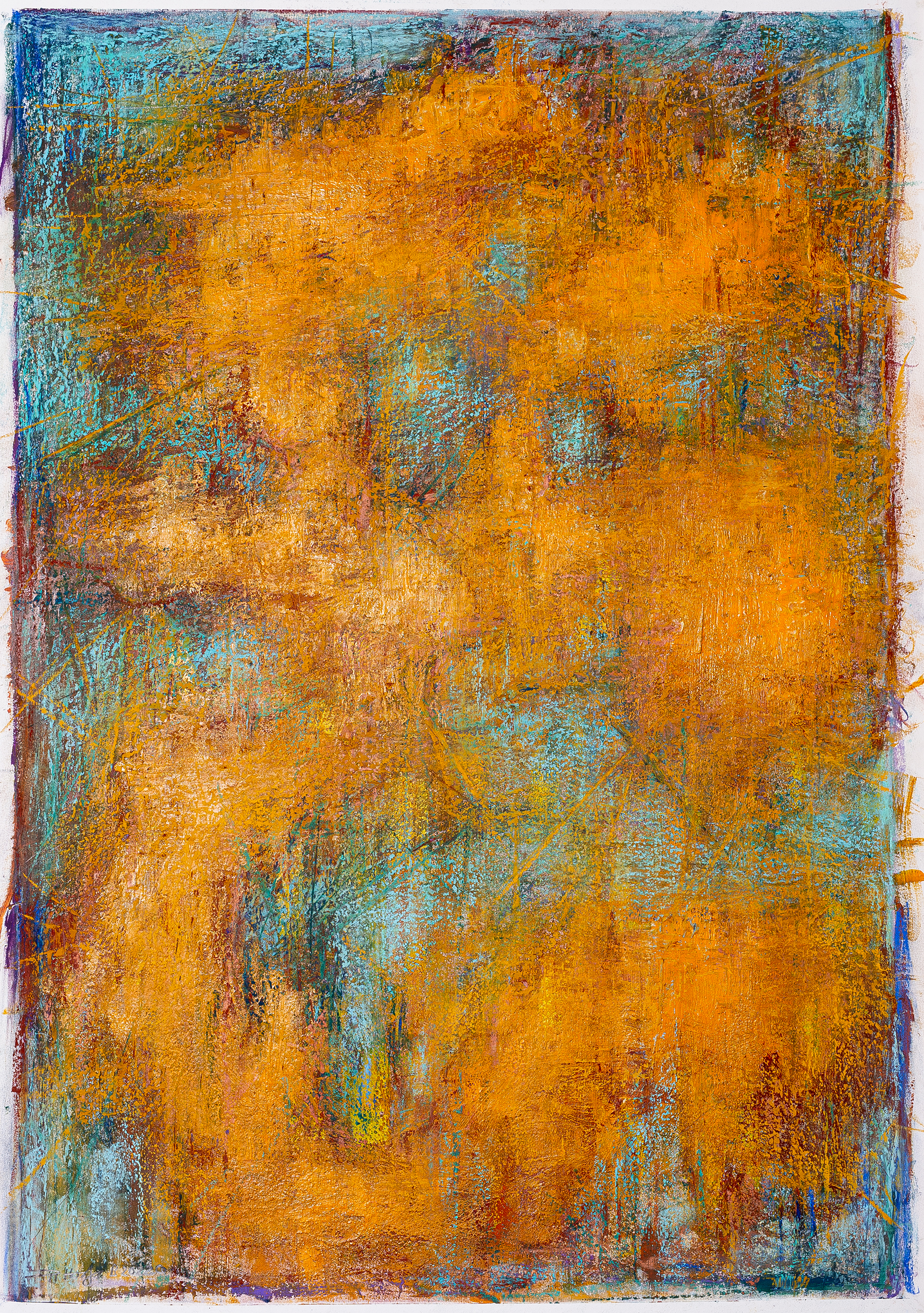
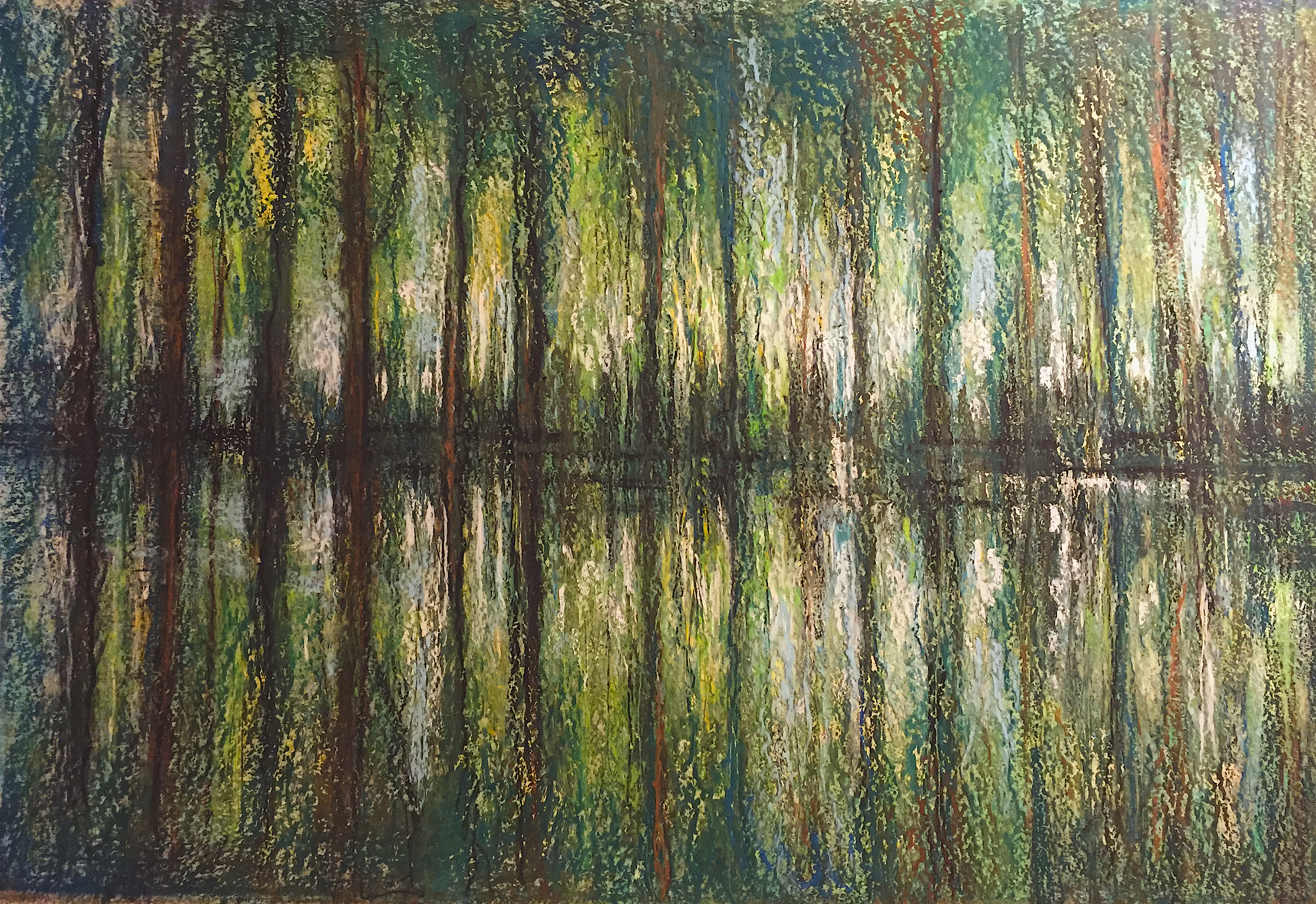
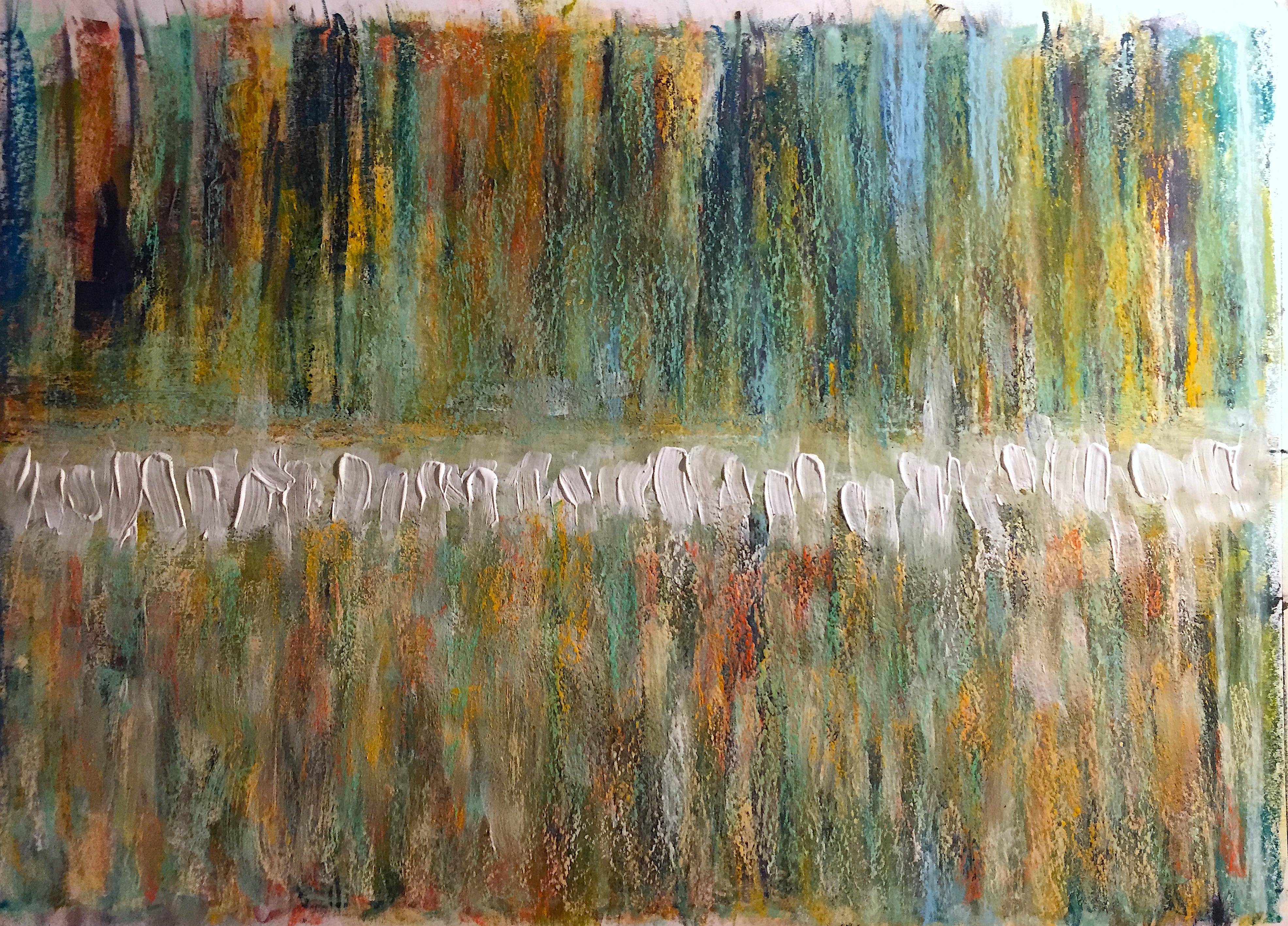
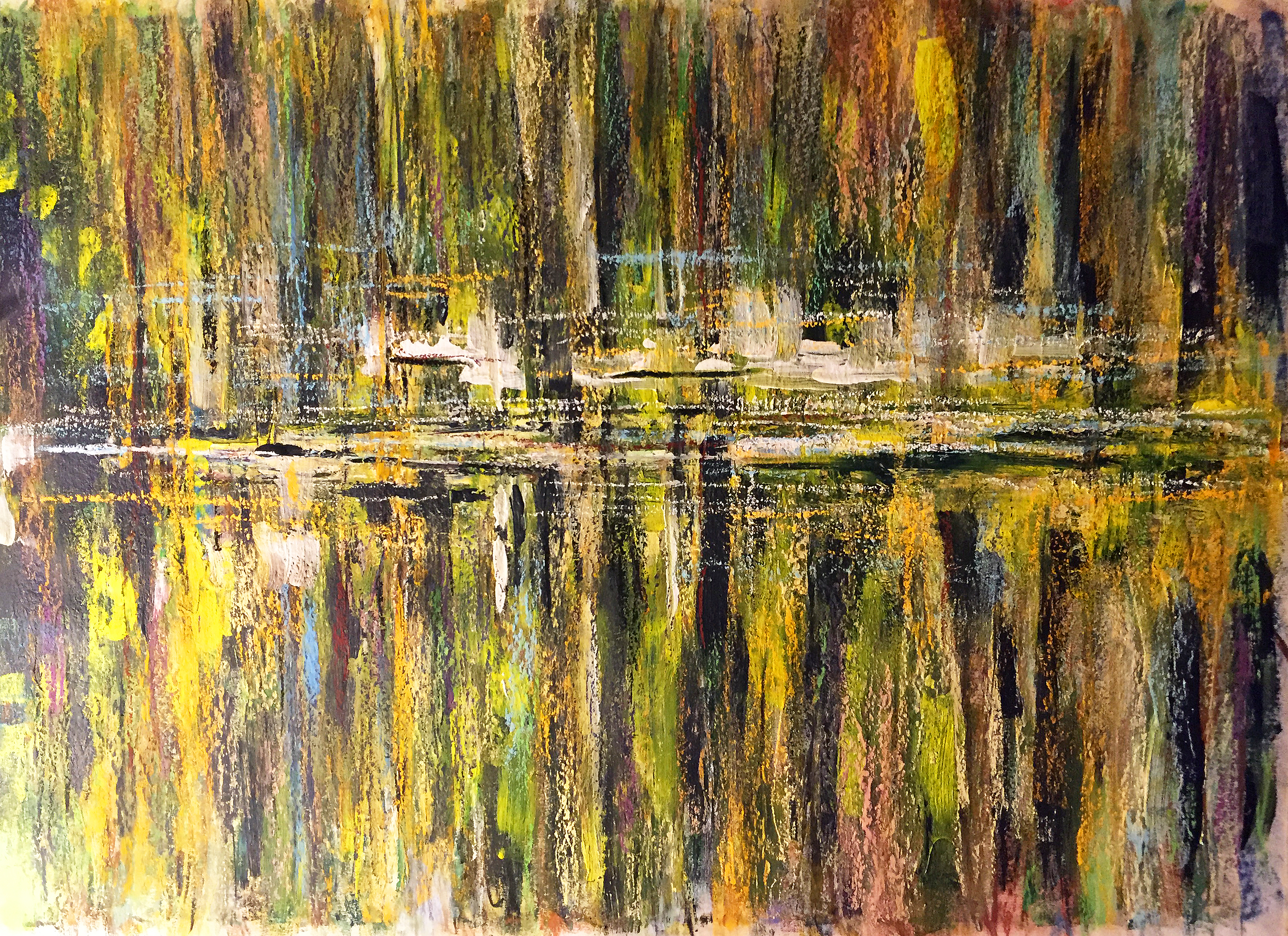
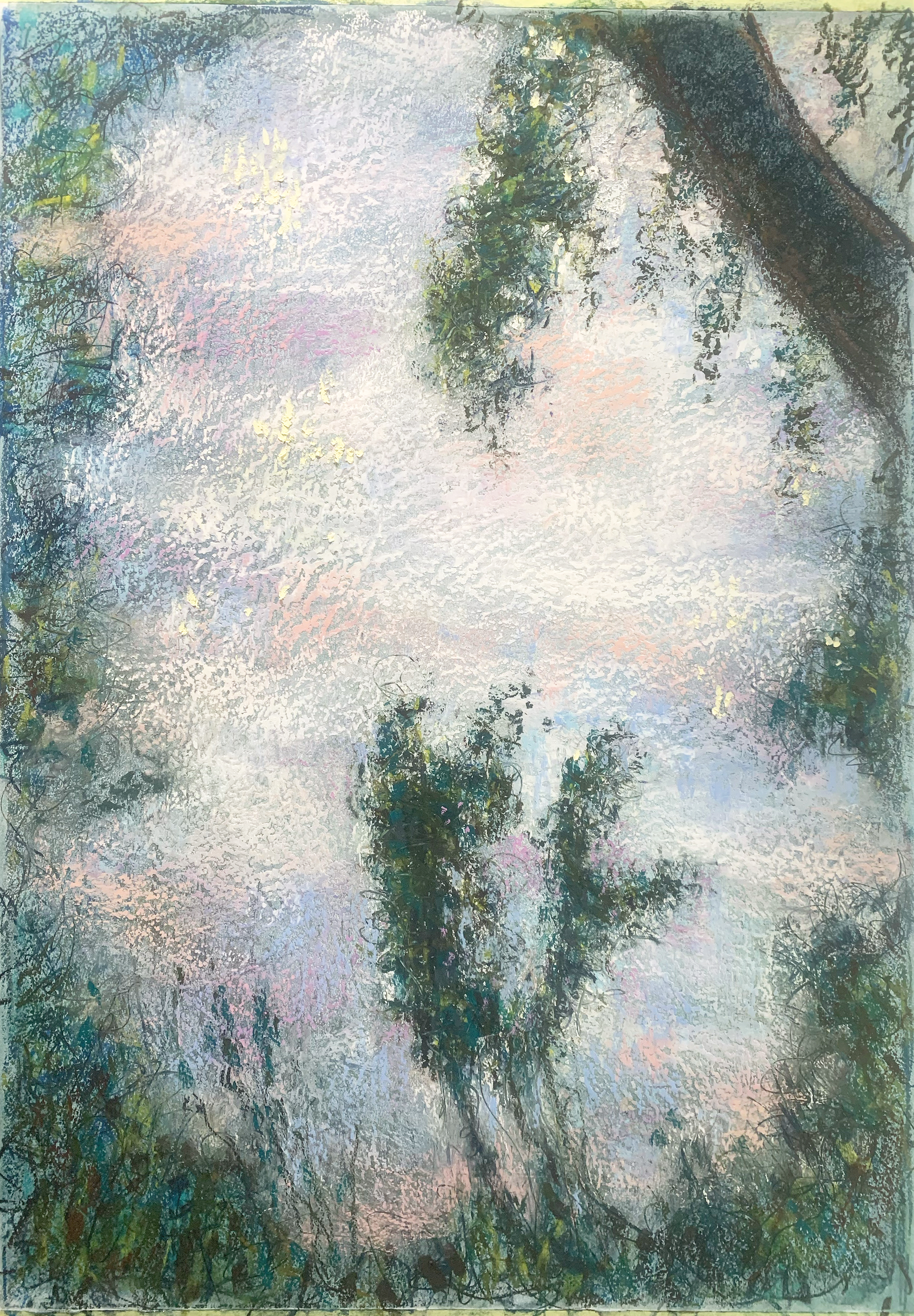
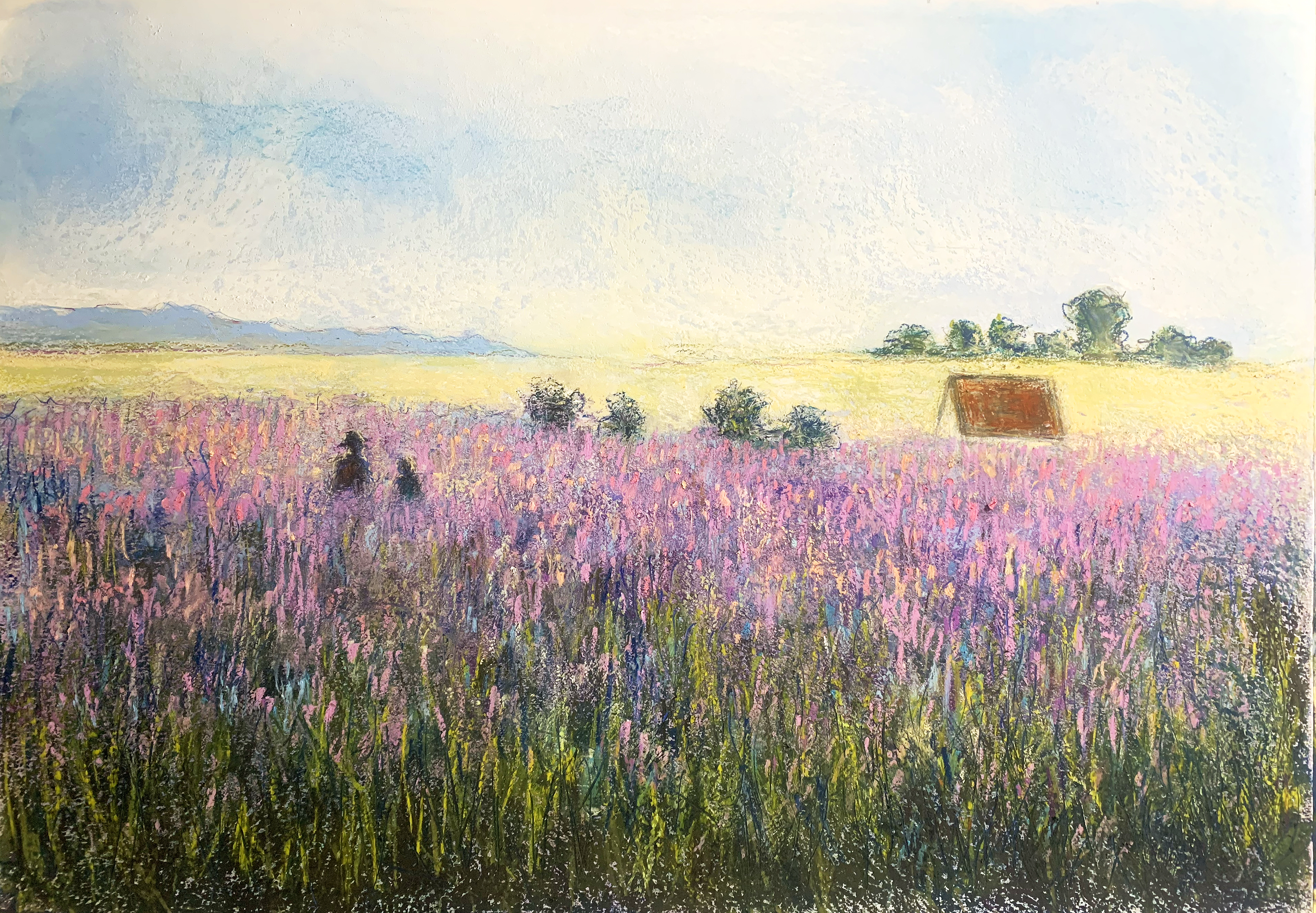
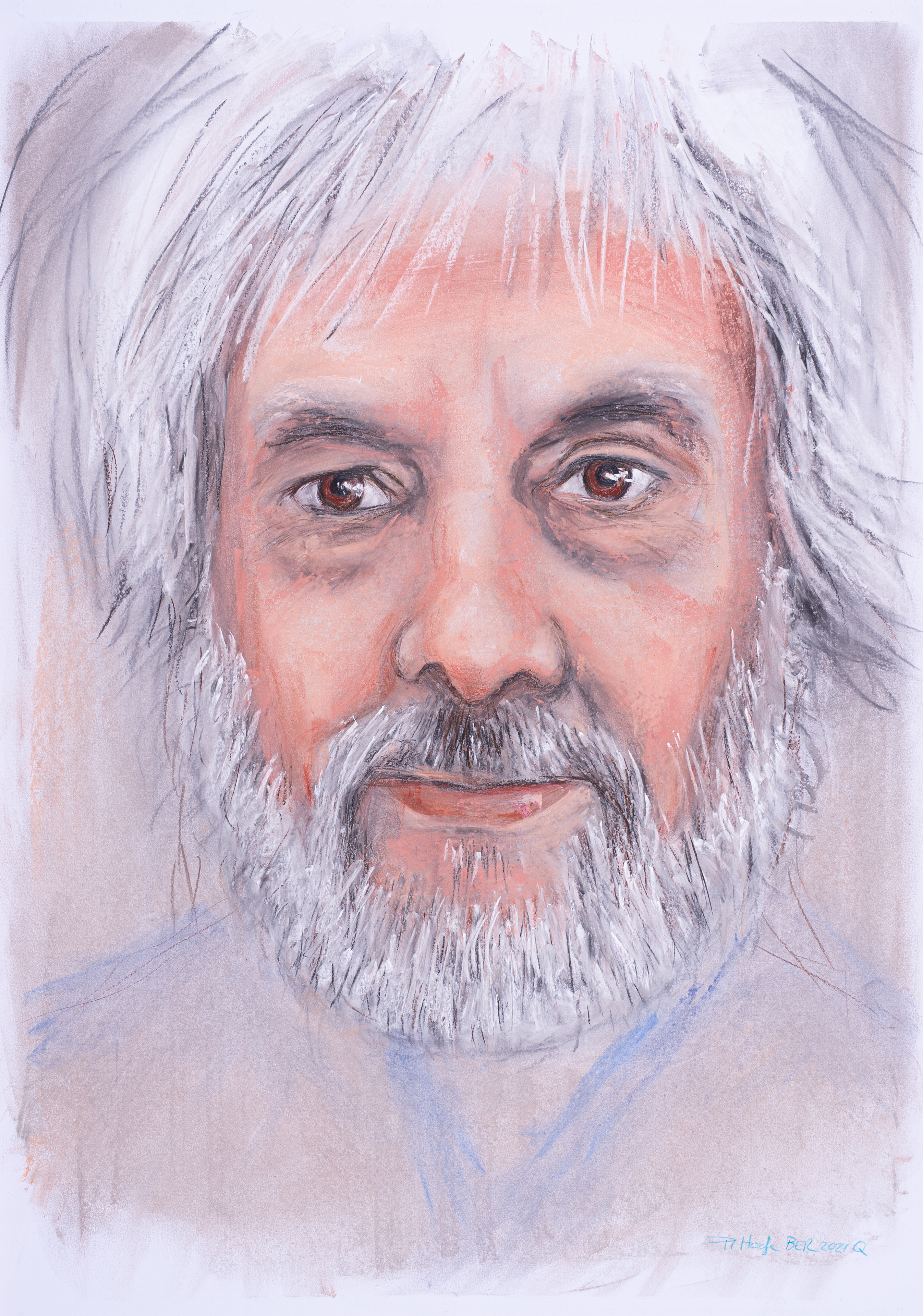
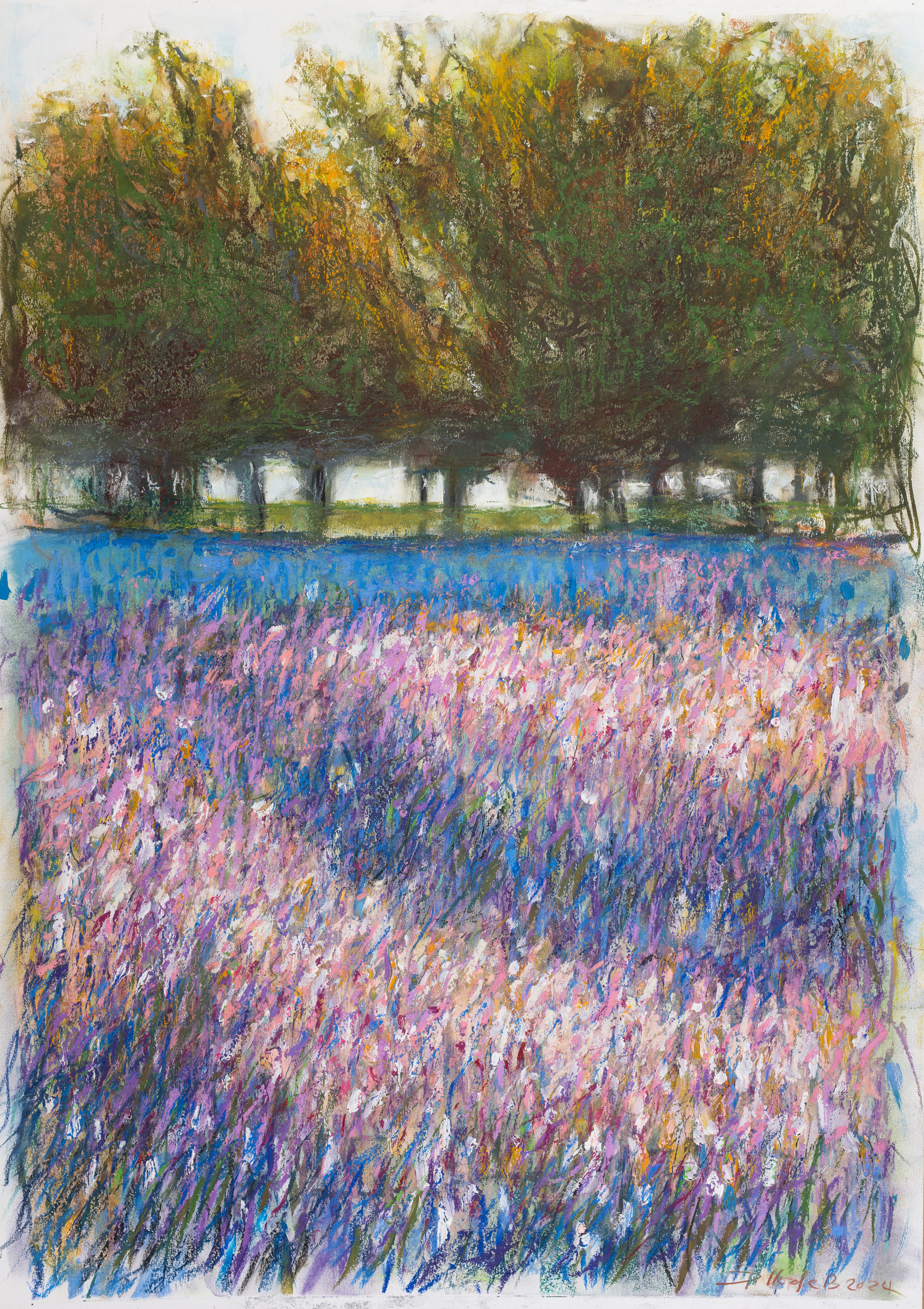
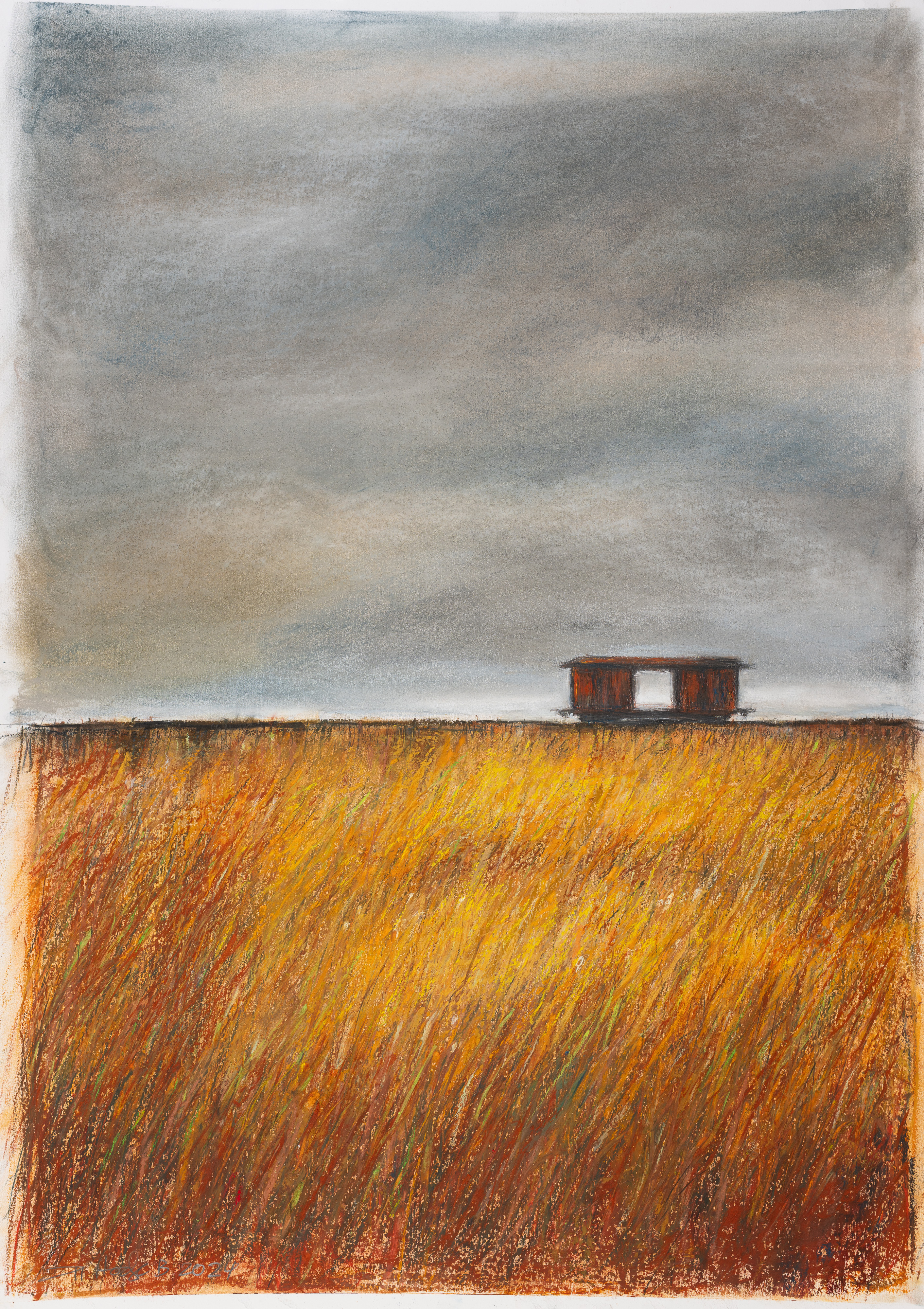
These are my newest pieces. All are A1 in size: 59cm x 84cm, either vertical or horizontal. Mixed media: chalk, oil pastel, wax crayon, pencil
Most of my artwork can be seen on my art gallery blog at www.russhodge.wordpress.com.
Most of these pieces are still for sale, please write about prices to my email address.






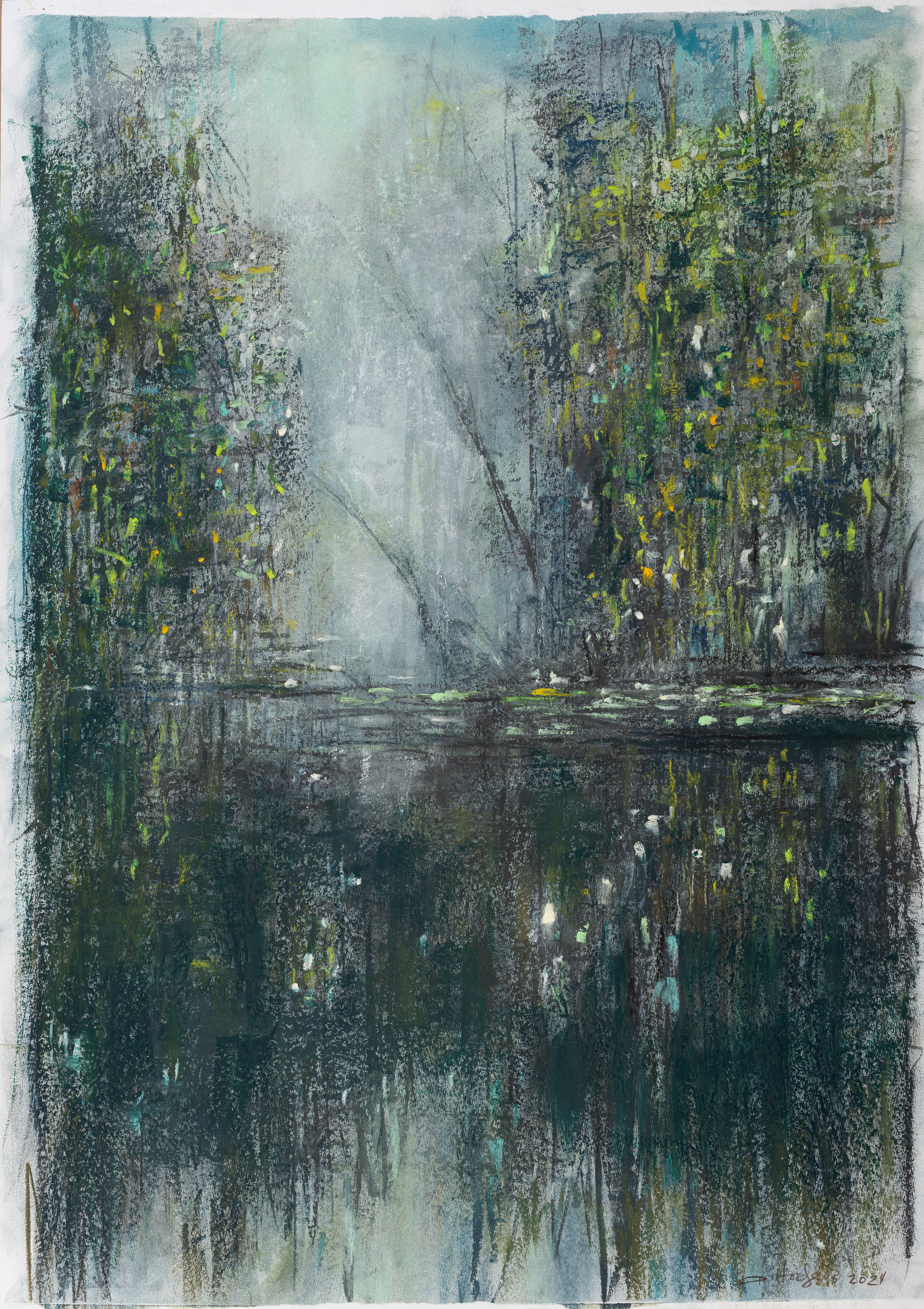
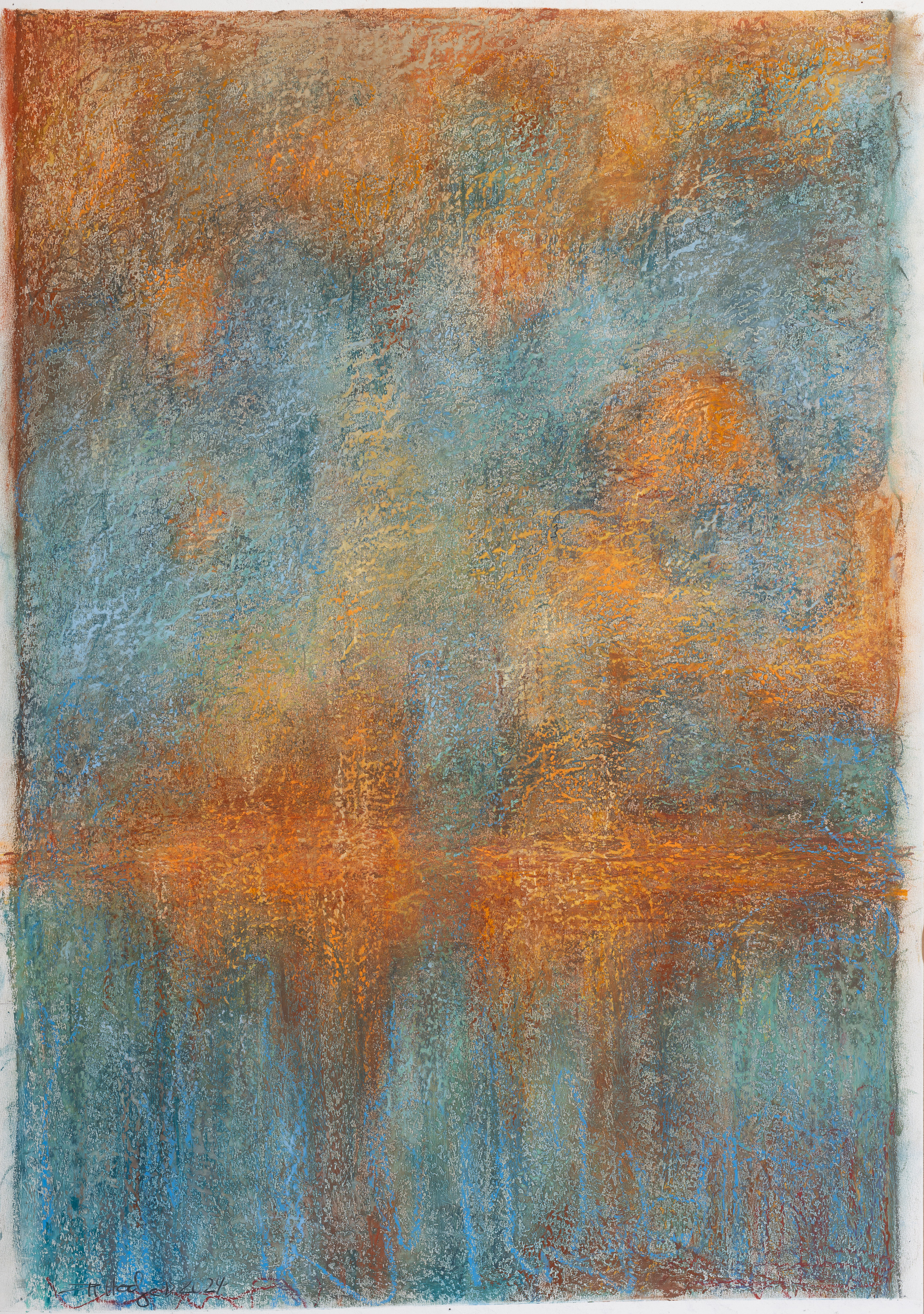
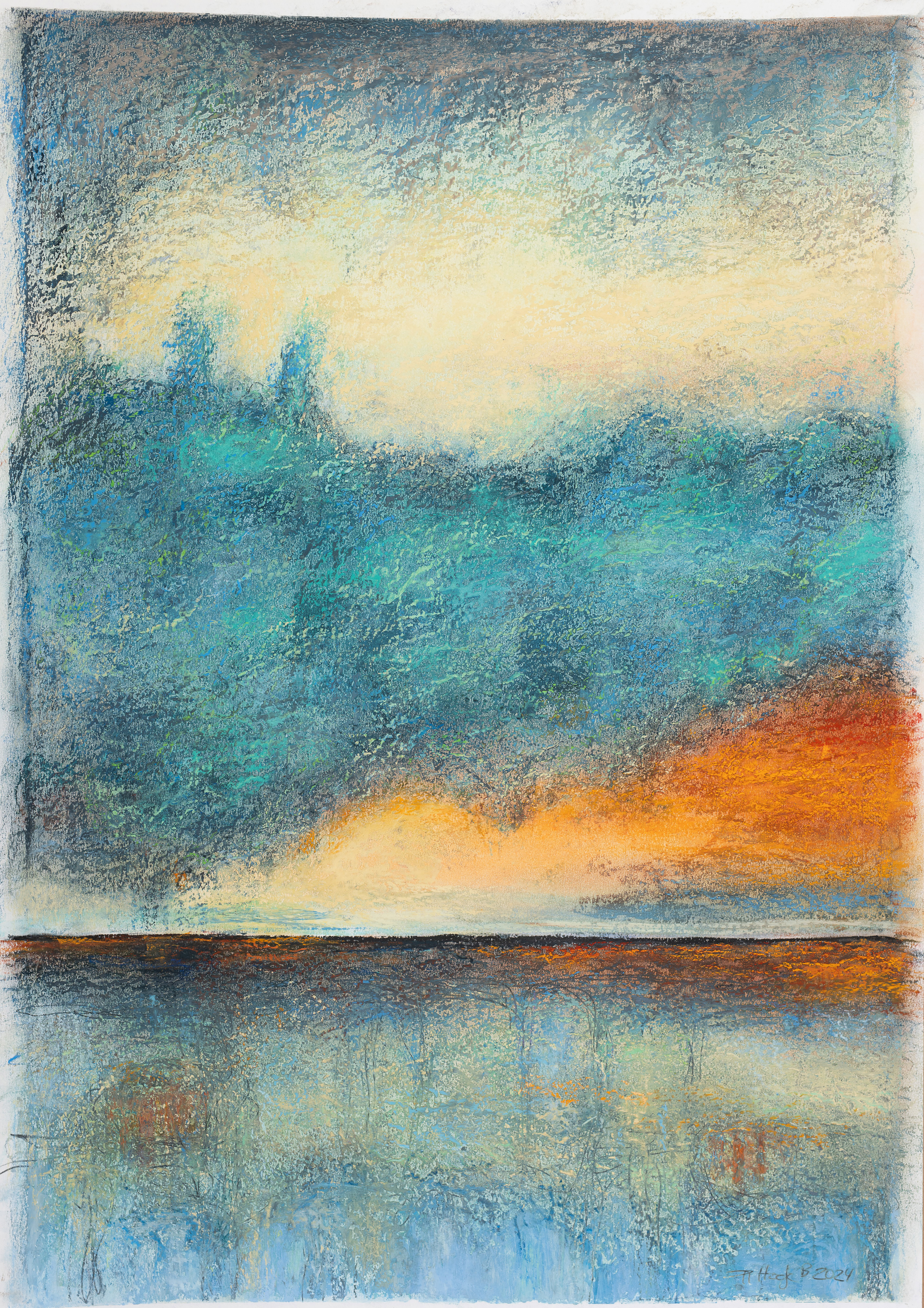
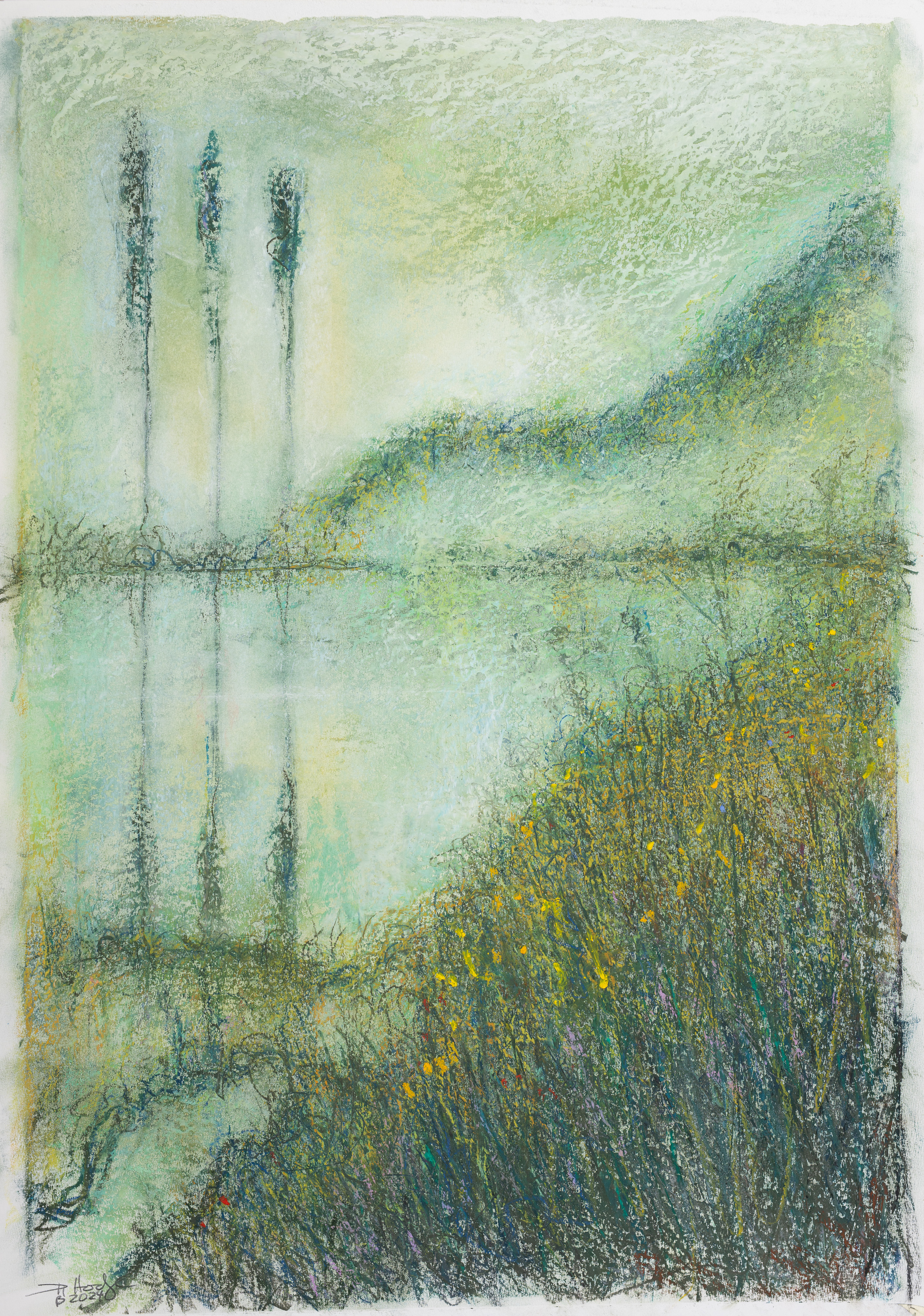
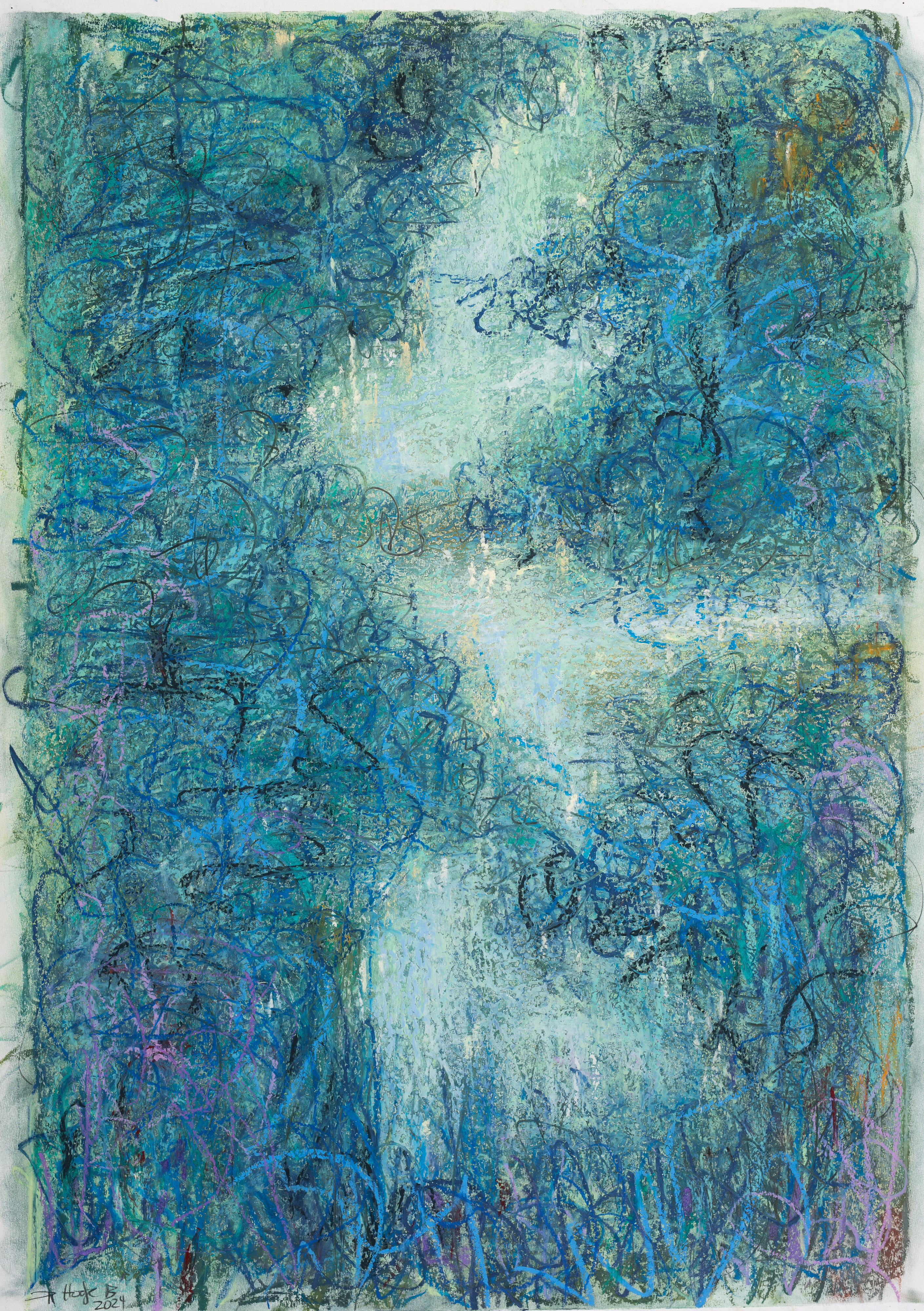


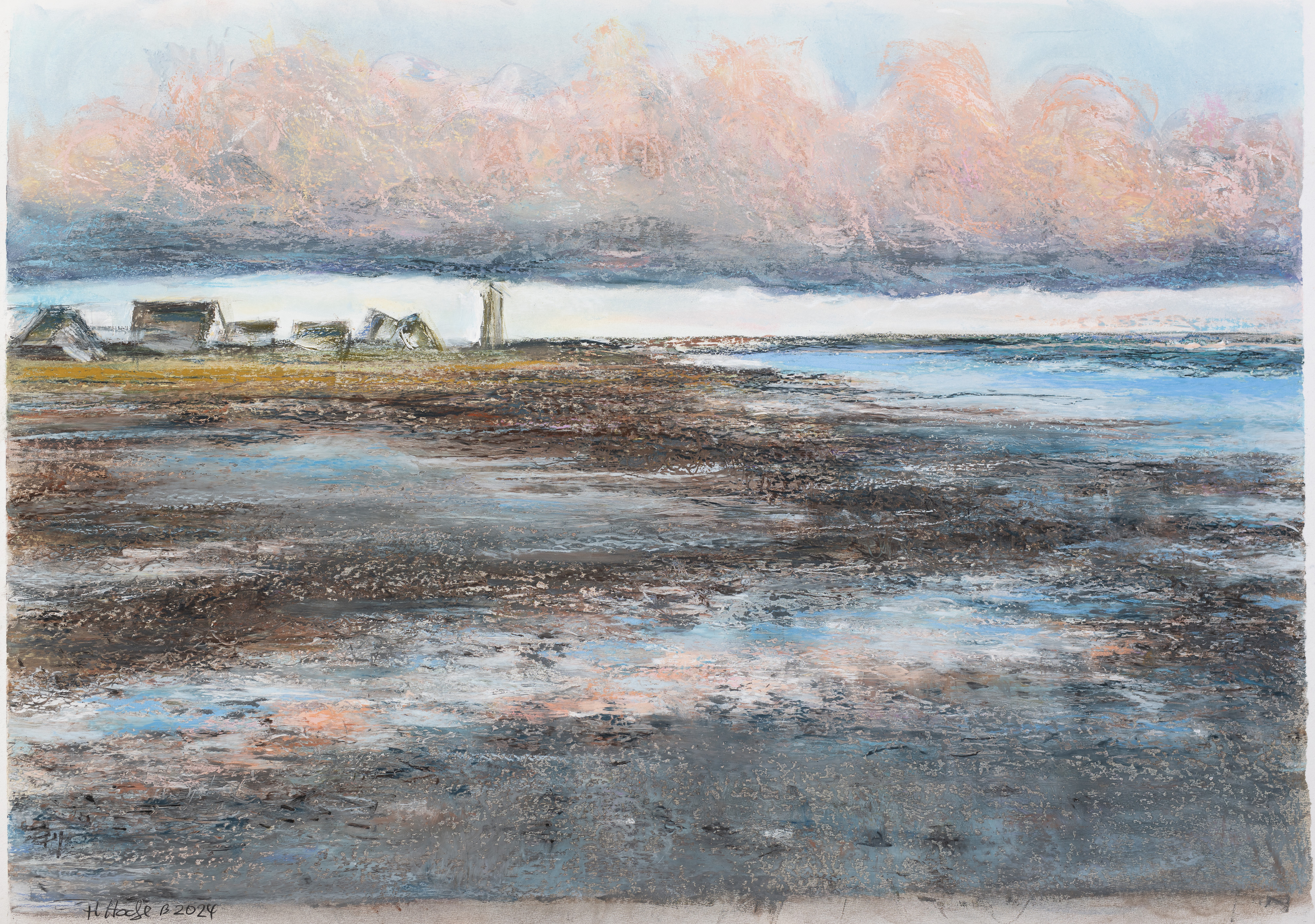


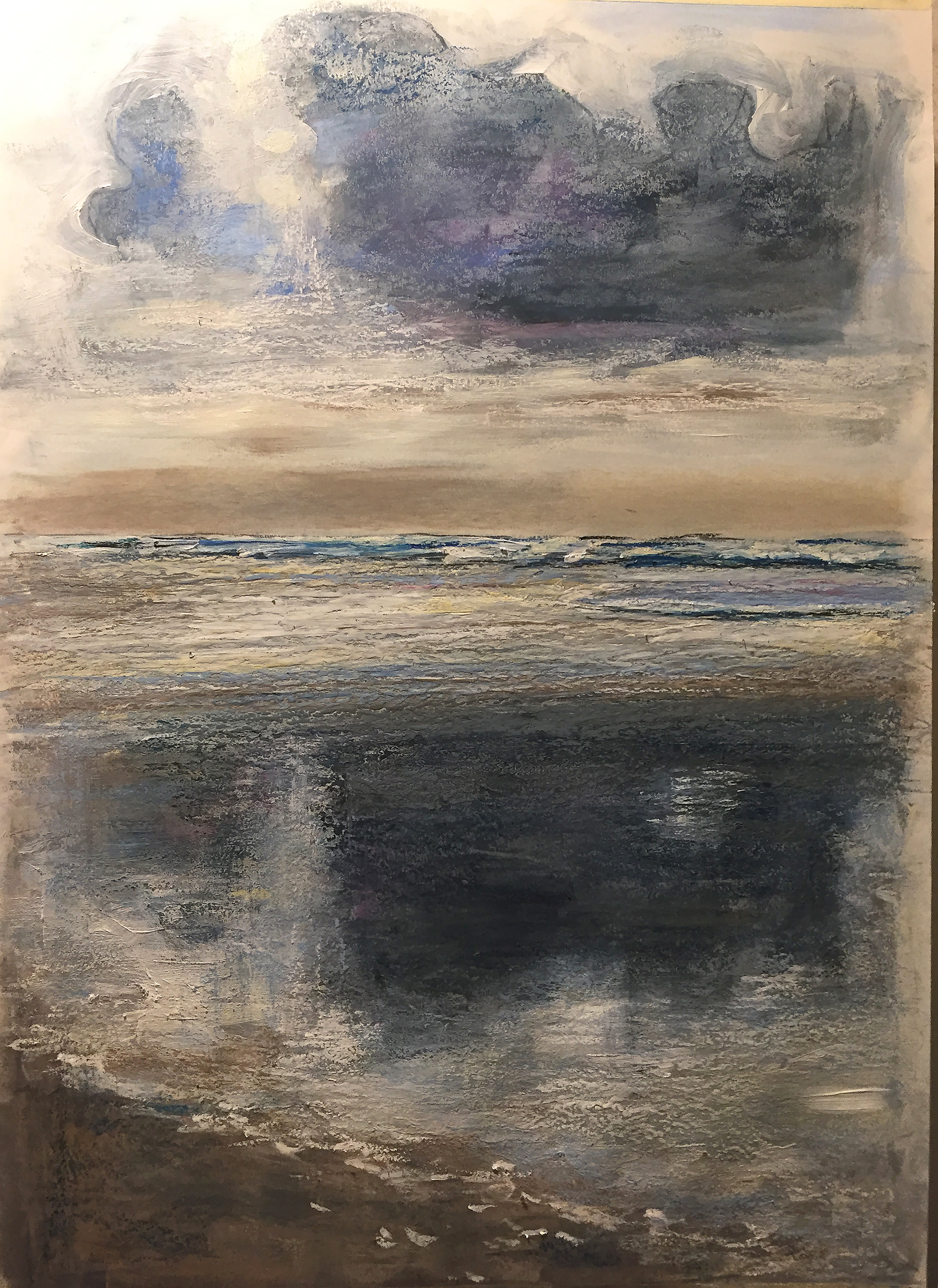


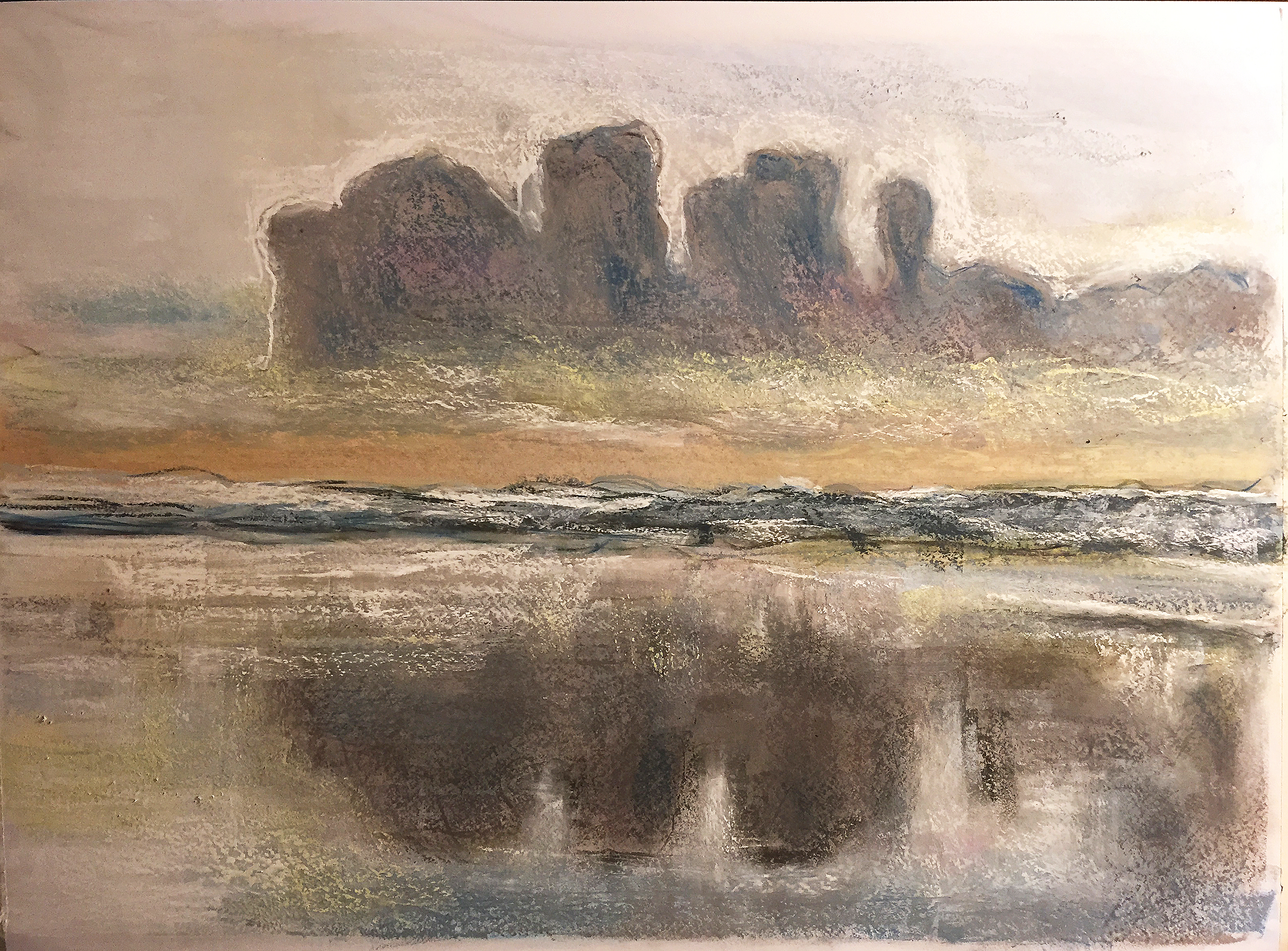













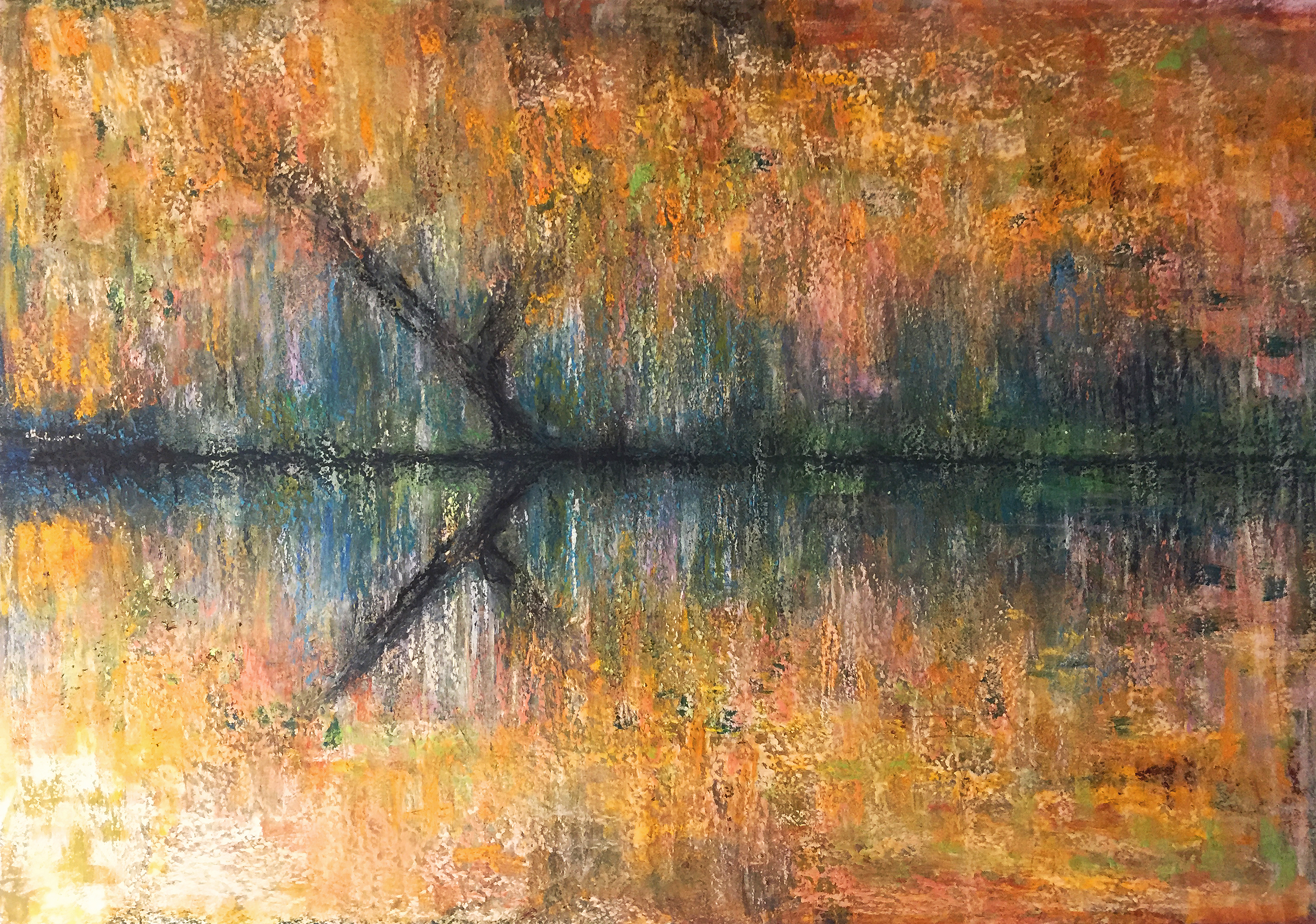
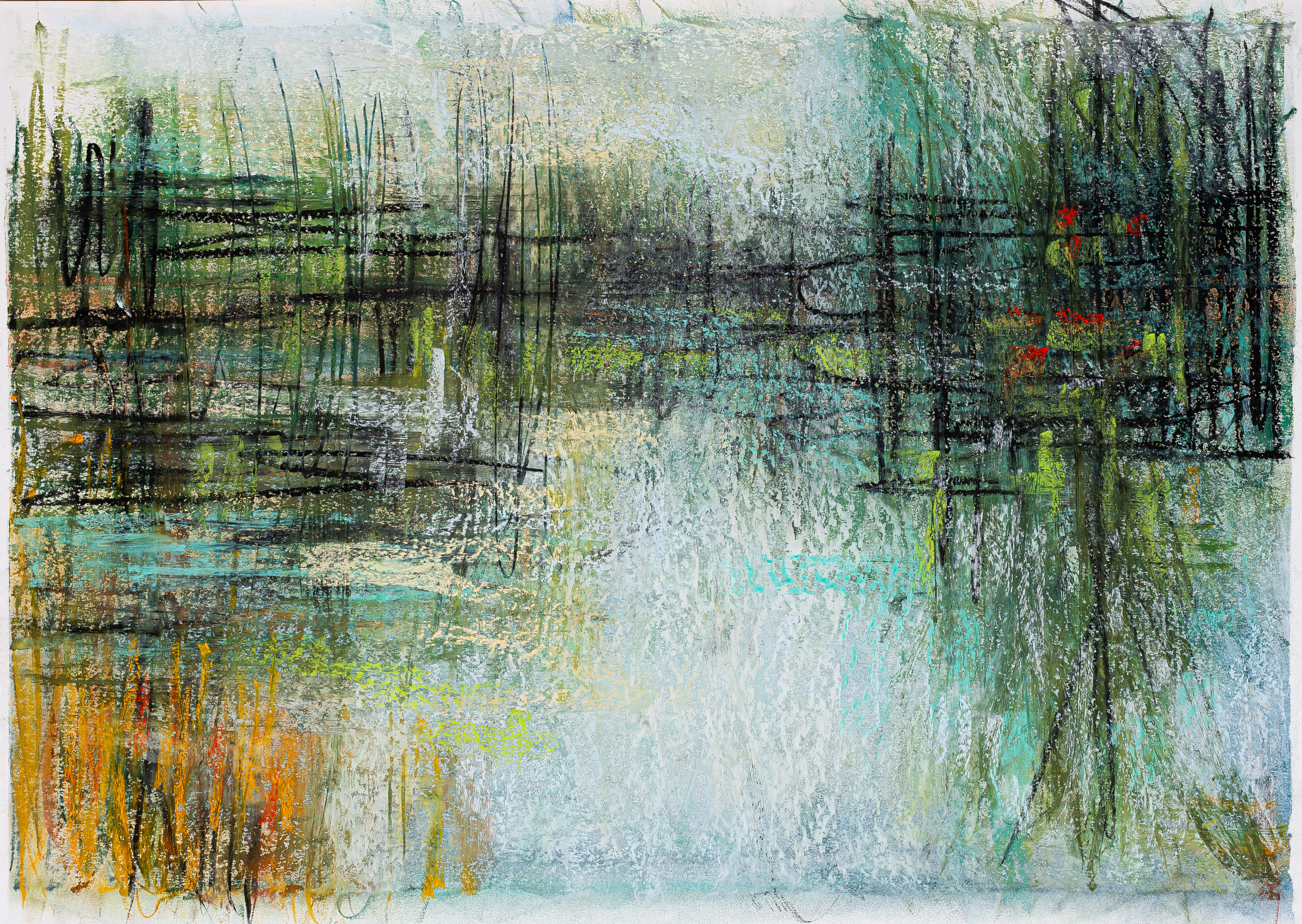


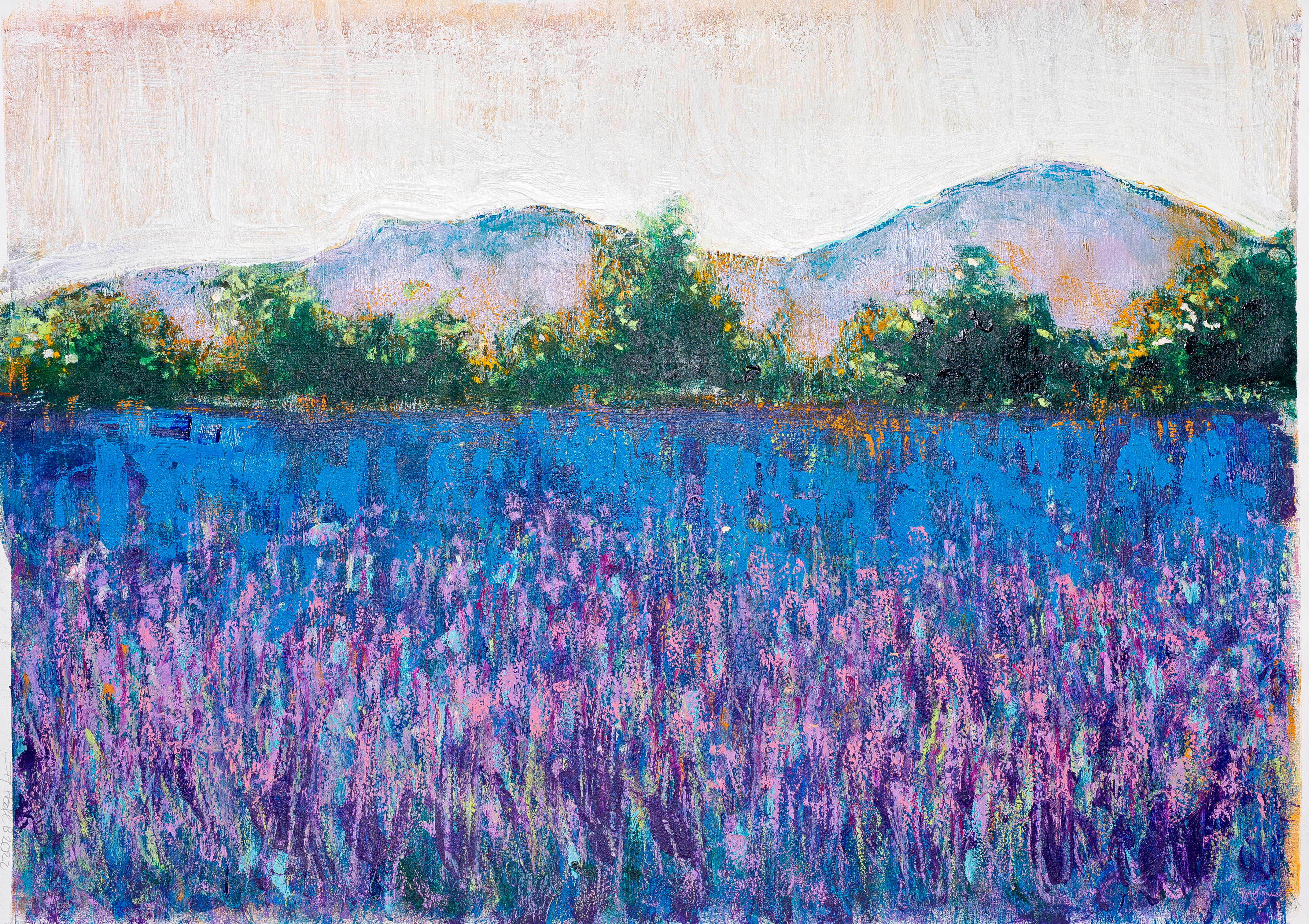
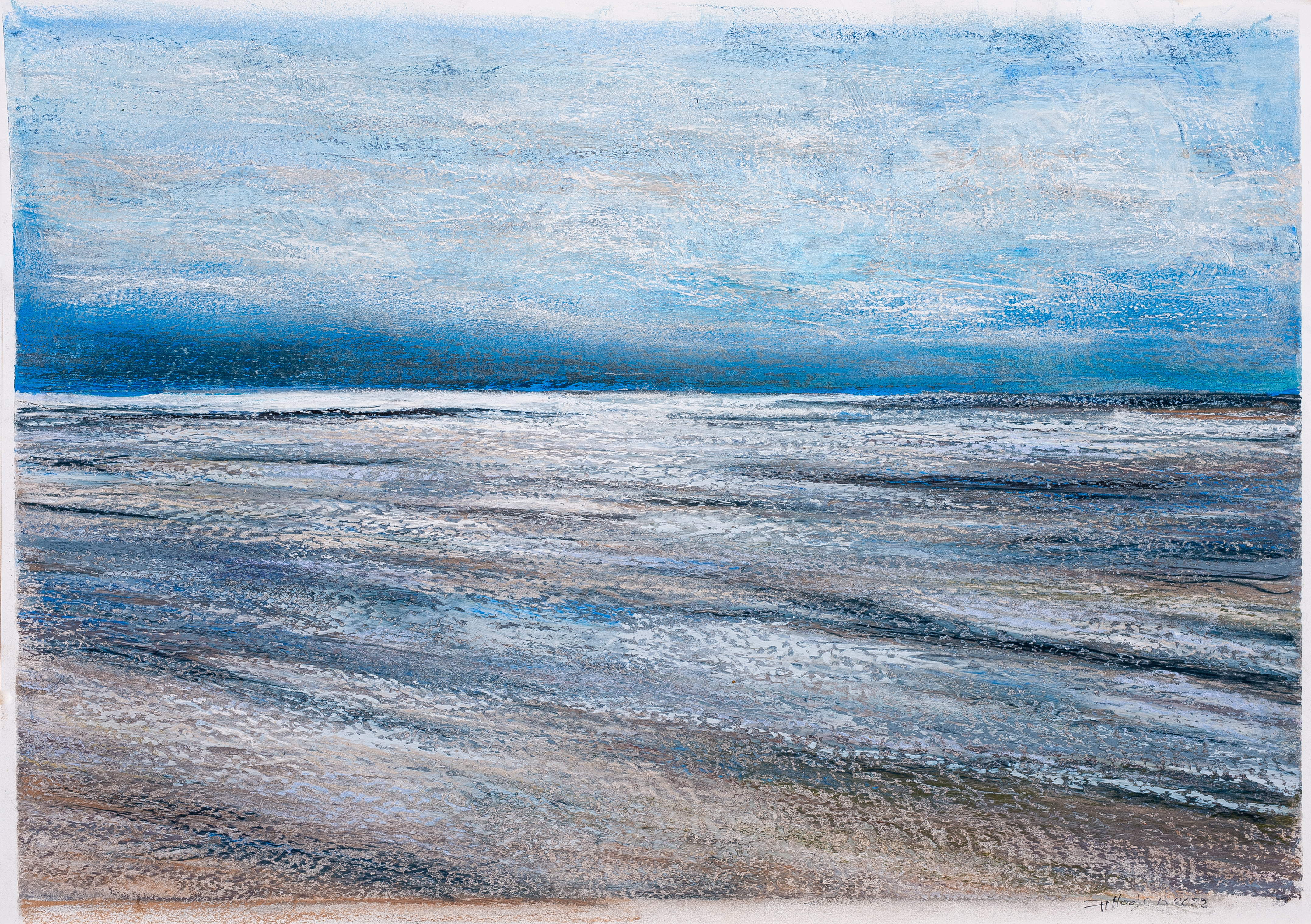



The Galiani Publishing House in Berlin has just published the German edition of my book “REMARKABLE,” illustrated by the wonderful Kat Menschik, and translated by my friend Stefan Widdess. We are promoting it at the Frankfurt Book Fair. The book is now available for order… See the link below.
We are looking for a publisher for the English version! The entire book is finished in English – if you know a publisher who might be interested, please let me know!
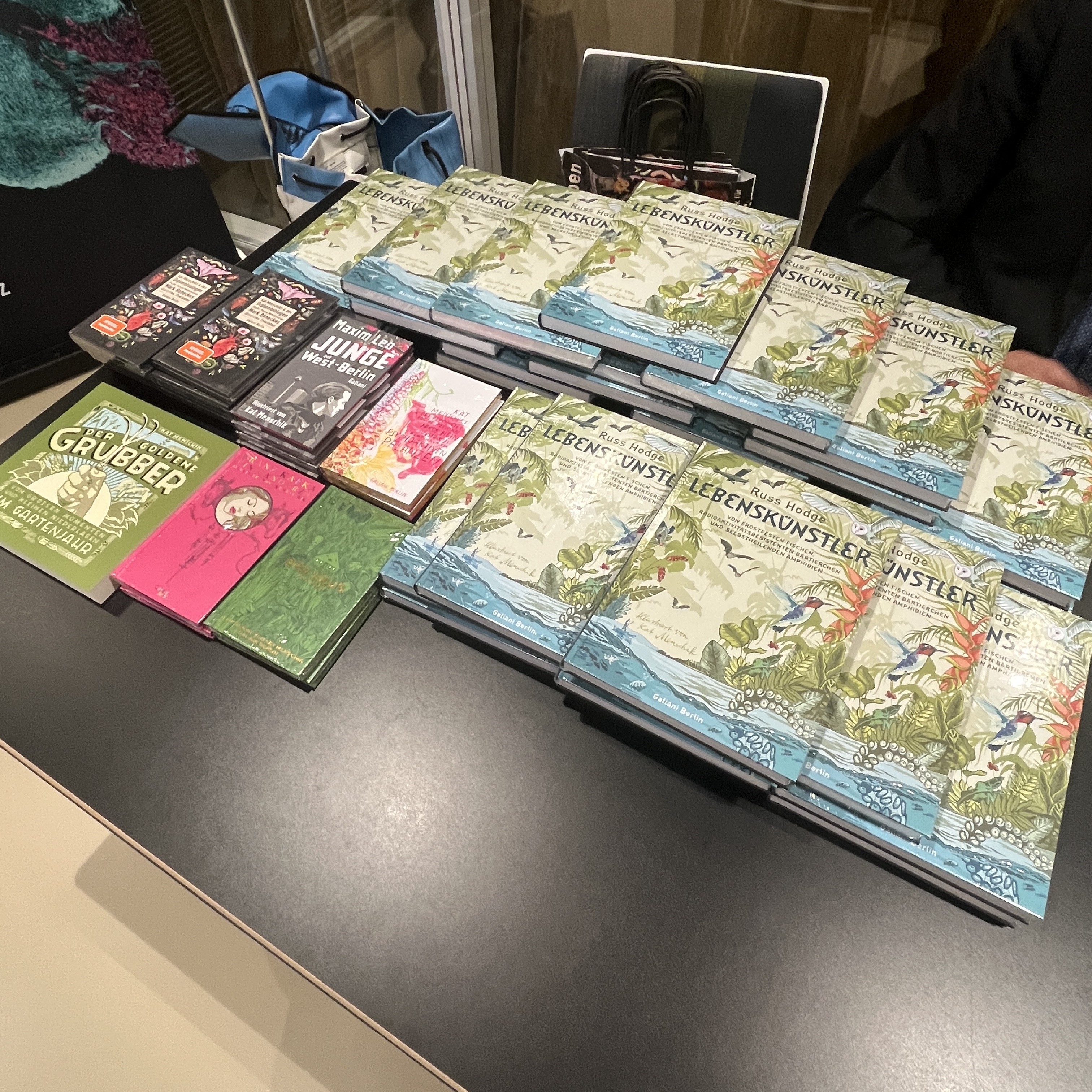
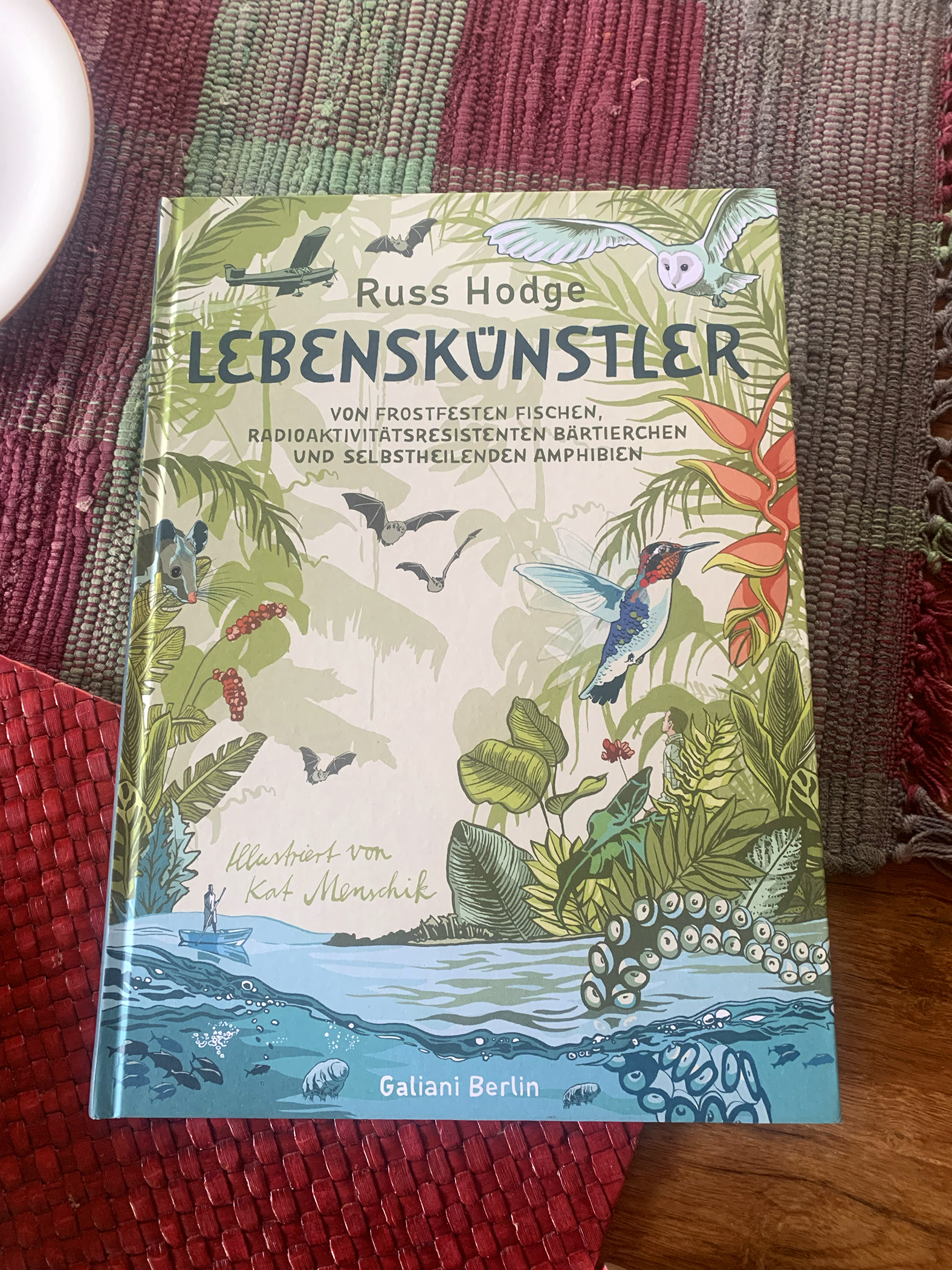

Hi all, my new book will be appearing in October from Galiani Verlag in Berlin:
This is the German translation of REMARKABLE: What animals can teach us about ourselves, the value of diversity, and saving the world. We are currently looking for a publisher in the U.S./U.K. Stay tuned!
ANNOUNCING SCOTT 3.0
Science Communication Teacher Training program (SCOTT)
What we are doing goes far beyond just teaching scientists essential skills as communicators and teachers. The tools of communication can help scientists become better thinkers and do better research, which adds value to their careers and the institute as a whole.
SCOTT is a new program based at the Max Delbrück Center in Berlin, aimed primarily at advanced career stage scientists with excellent (near native) English and solid writing and presentation skills. The goals are to:
SCOTT runs for 16 months. SCOTT 1.0 finished in summer 2023; SCOTT 2.0 will finish in the coming summer. There will be two months overlap between the last group and the next one.
We have accomplished some great things. We made a “board game” about molecular biology, and are developing popular science materiasl and other projects on the theme of model organisms. Both projects received funding from the Stiftung Charité and are under development with book and game publishers.
We have developed new courses on “Coping with Talk Anxiety” and “How to Read a Paper,” have helped prepare graduate schools and the institute for important reviews, applications to create programs and a new institute, and are working on several other projects. SCOTT members participated in many public science events, developed projects for school classes, etc. We are preparing new applications for the Stiftung’s latest call and will seek funding from additional external sources.
I am now accepting applicants for the third “class,” which will start in April 2024 and run until June 2025.
Who are we looking for?
SCOTT 3.0 will be open to 20 scientist/trainees. Priority will be given to postdocs and advanced career stage scientists at the MDC, although we will consider PhD students and exceptional candidates with very diverse qualifications from other institutes. We also welcome applicants from other fields – other natural sciences, data science, informatics, journalism, teachers, etc. The first group included an artist who has worked on projects bridging art and science. The second group includes a high school teacher.
What does the program entail?
Participants will need to make a firm commitment to the entire program and be prepared to attend the seminars, which meet for one full day per month in Berlin. They should count on spending at least one additional day per month working on SCOTT projects.
Activities will include seminars, observations of courses, outside assignments, and teaching. The seminar days will include very interesting invited speakers and guests. We will also start collaborations with journalists and teachers. The program is divided into 3 phases:
SCOTT will offer special types of support to the participants’ home labs, such as customized workshops and help with projects such as papers, theses, and presentations.
All seminar dates for 2024 will be set soon.
Here are the dates so far: March 1, April 5, May 10, June 7.
What do we hope to achieve?
High-quality communication training can add value to an institute by improving not only the skills of its scientists but also their research. This concept is based on an established theoretical background and teaching methodology that is still being refined, improved, and expanded. As a group we will collect experience, improve the program, develop original teaching methods and materials and produce a handbook for future trainers. We will enhance current training structures at the MDC and on campus by offering more support to students and scientists, developing content for the Long Night of Sciences, the Gläsernes Labor and other venues, and producing games, teaching materials for schools, etc.
The program will be extremely transparent. Group leaders, scientists and other staff at the MDC are welcome as observers or participants at any time. In return, we will support their work by offering customized workshops and helping develop communication and education modules for grants or institutional projects. Contact the program if you are interested.
We will offer lectures and demonstration courses to other institutes and organizations within the Helmholtz Association and beyond, to promote the wider institutionalization of this model of training.
If you are interested or have questions, please contact Russ Hodge directly, at hodge@mdc-berlin.de.
As a part of registration, we will set up an individual appointment to discuss details of the program and your individual interests and needs.
This is an updated version of the presentation in which I introduce a “new model of the relationship between science and communication,” as presented to the Leibniz Association in June, 2021.
The talk is intended for researchers at every career stage, science communicators, communication trainers, other teachers, anyone interested in scientific thinking, and a wider group of stakeholders in research, communication and education
This serves as the theoretical introduction to my courses in writing, presentation skills and other types of communication.
Please get in touch if you are interested in learning more, have comments, or would like to join a group of scientists and teachers who hope to institutionalize this type of training in research organizations and science curricula.
The giant muscle protein titin; life in flatland; and of course more synaptic dialogues…

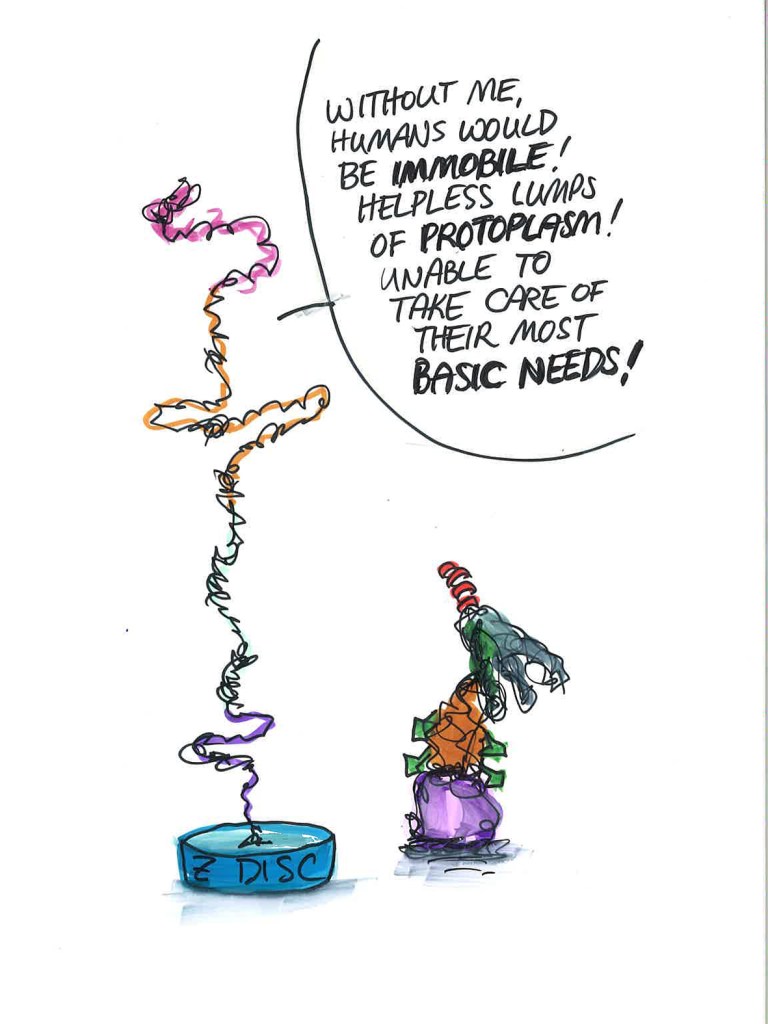

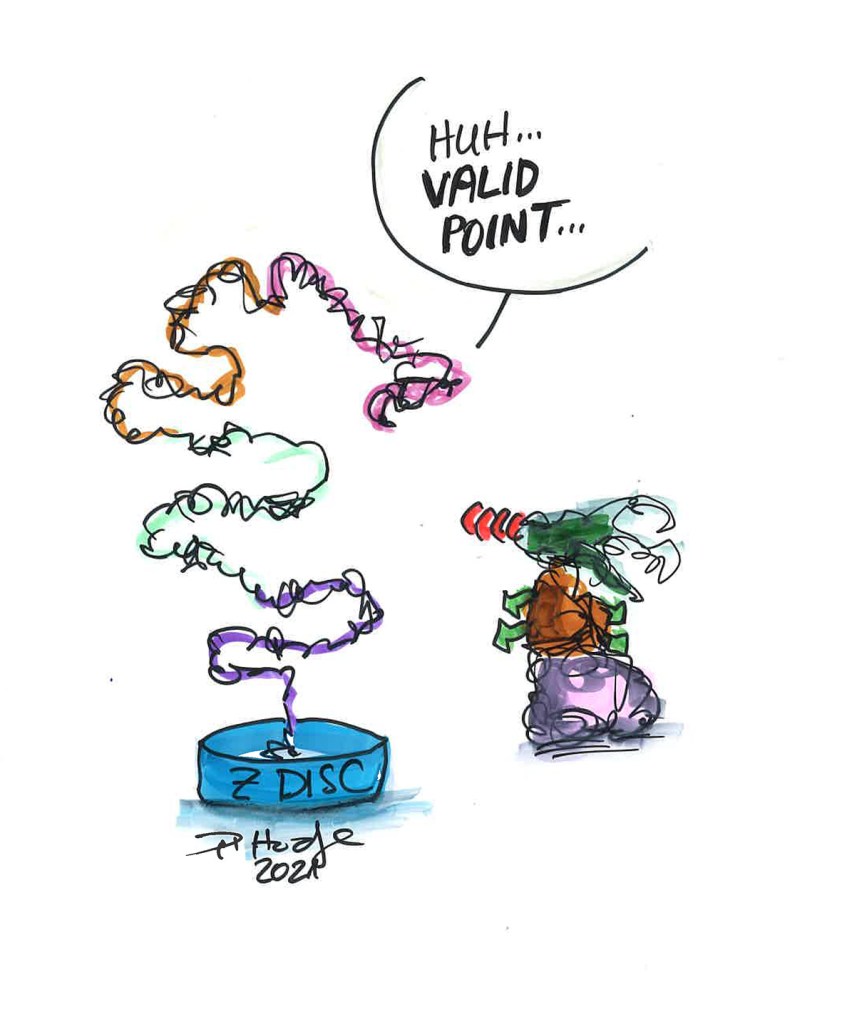
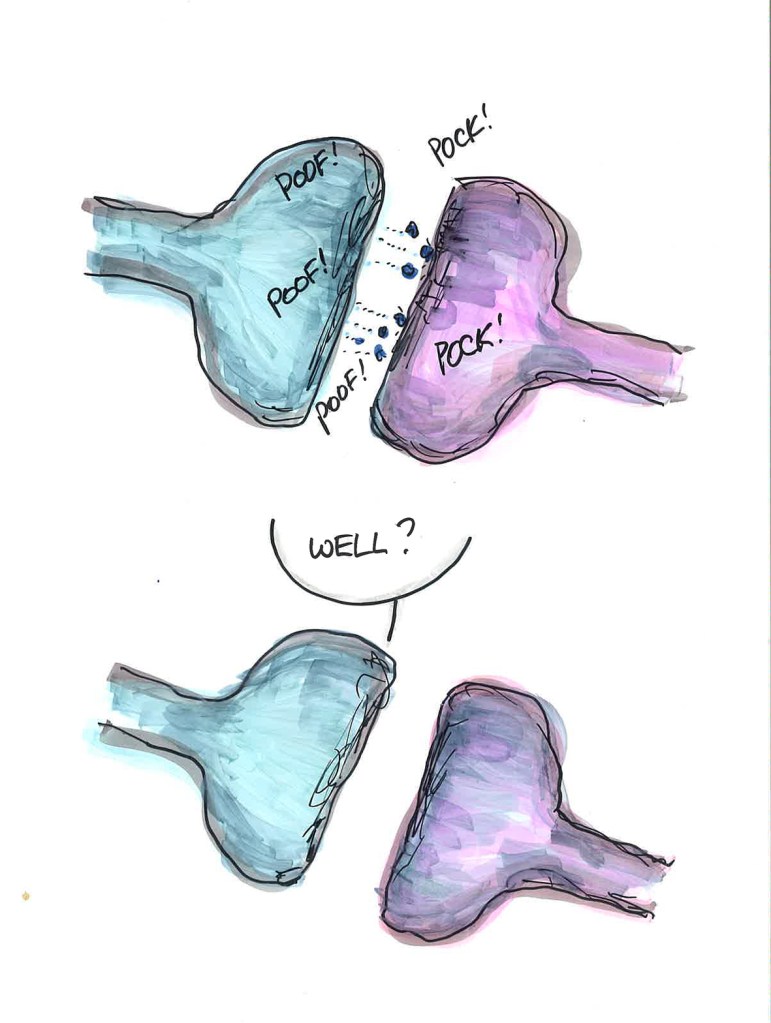


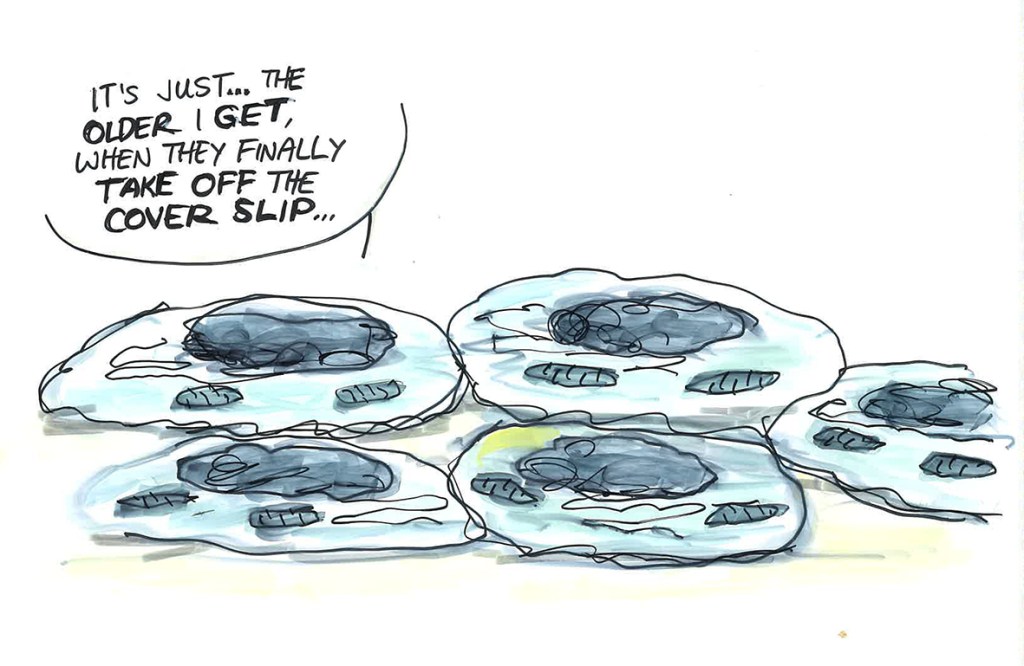
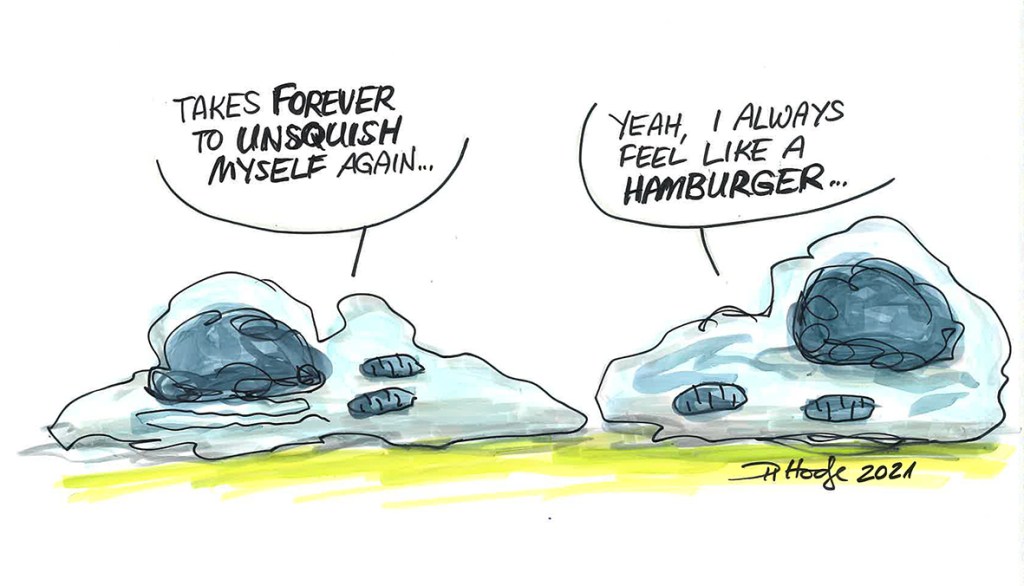
Two new ones and a classic from the files…
To see all the molecular biology cartoons, click the link in the menu on the left!
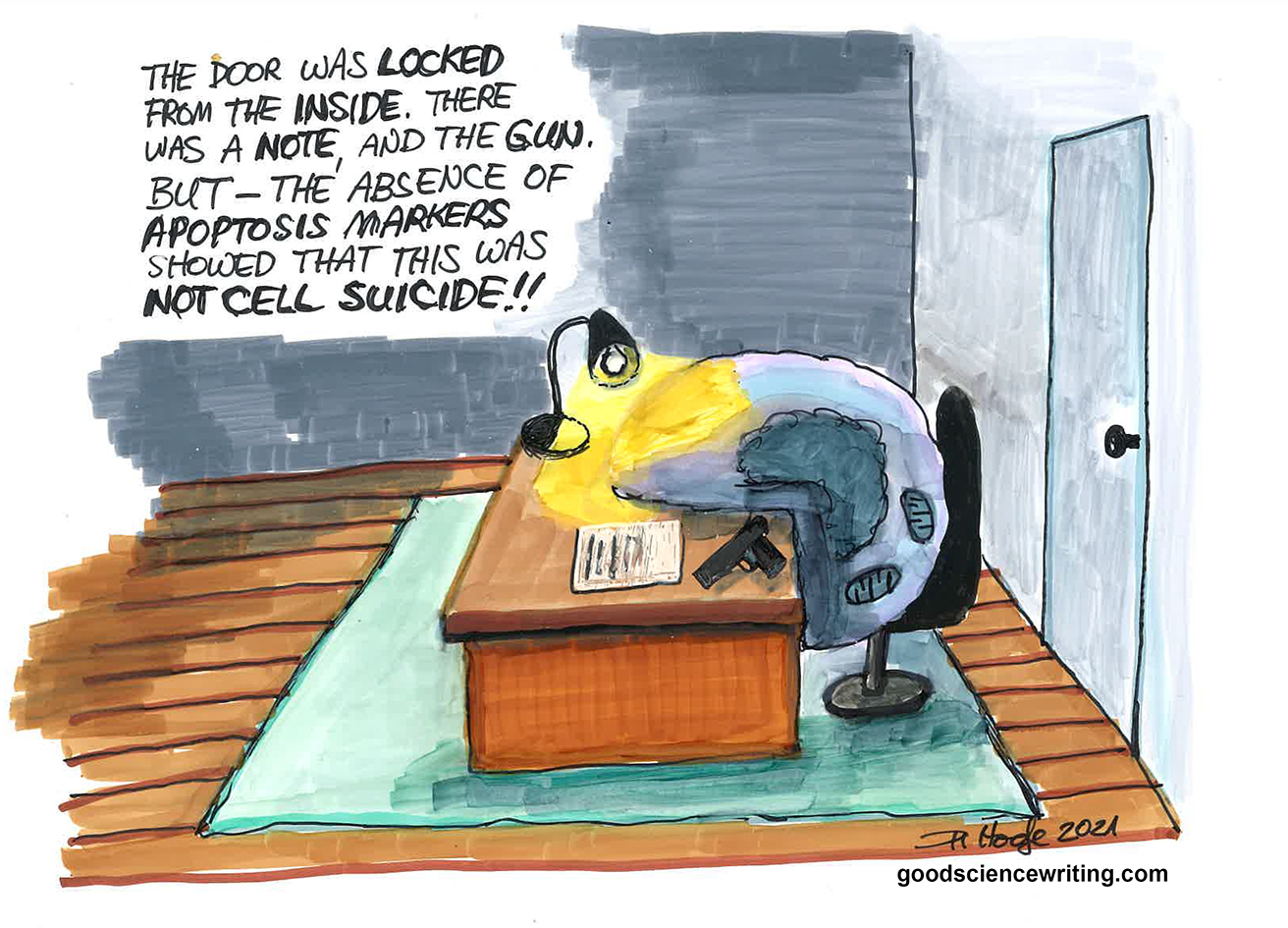
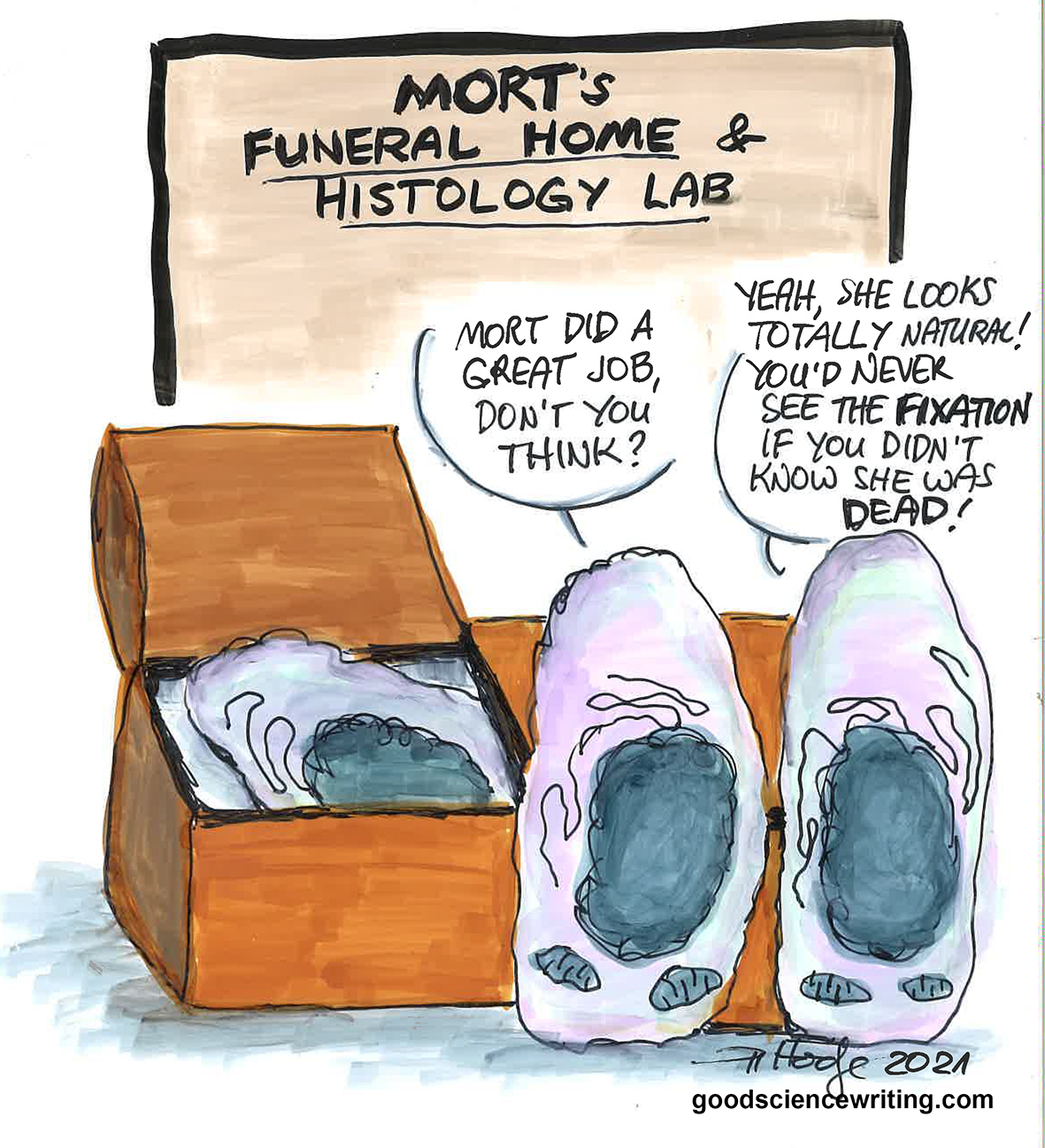
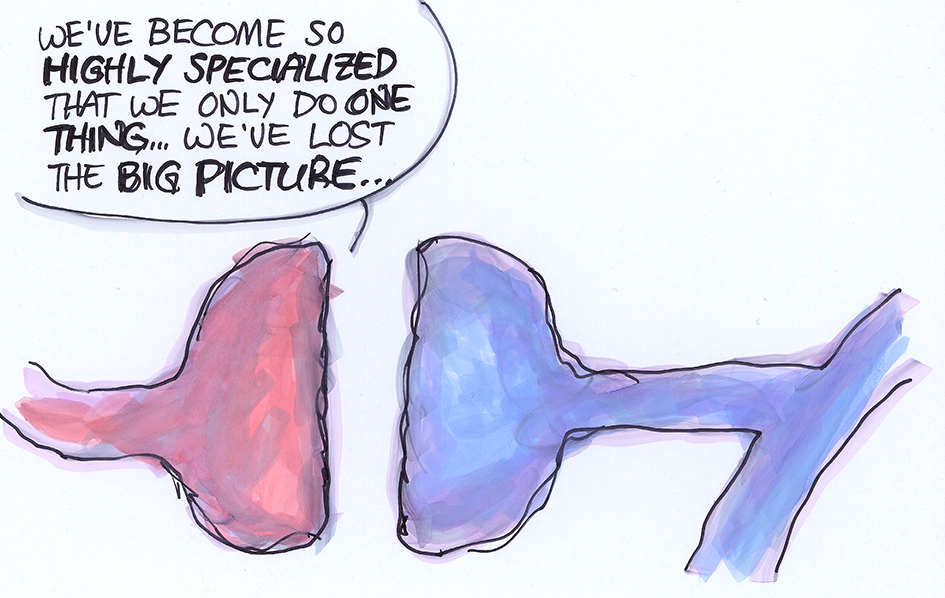
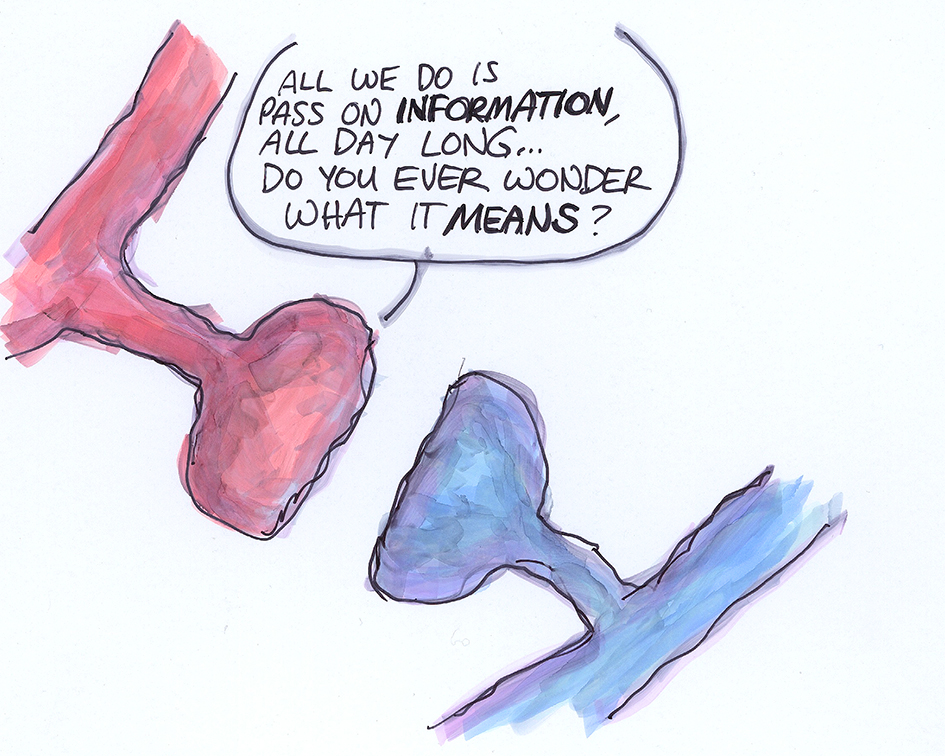
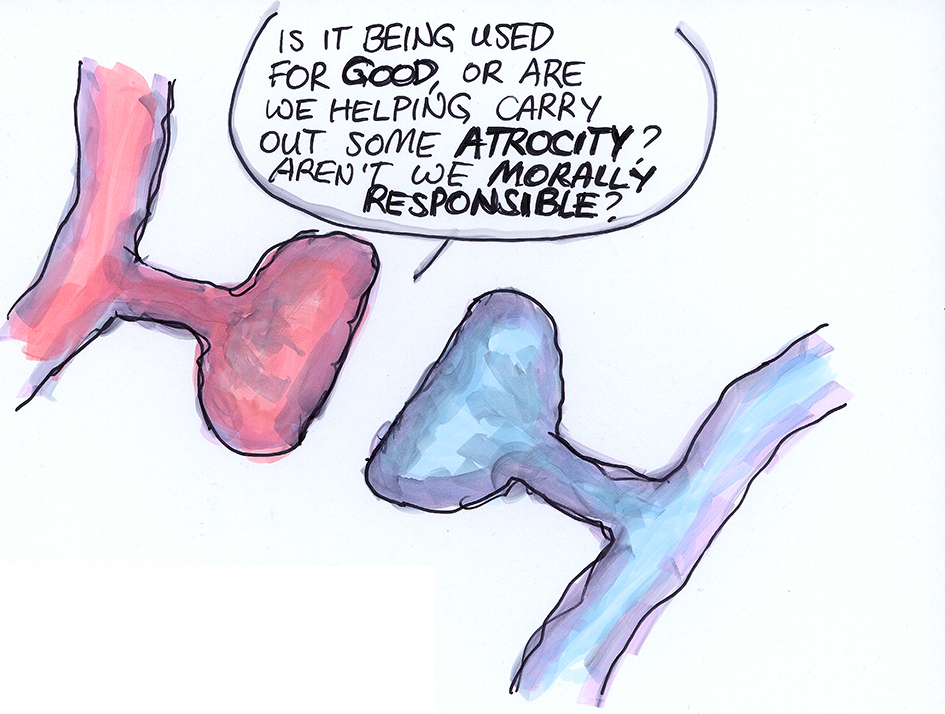

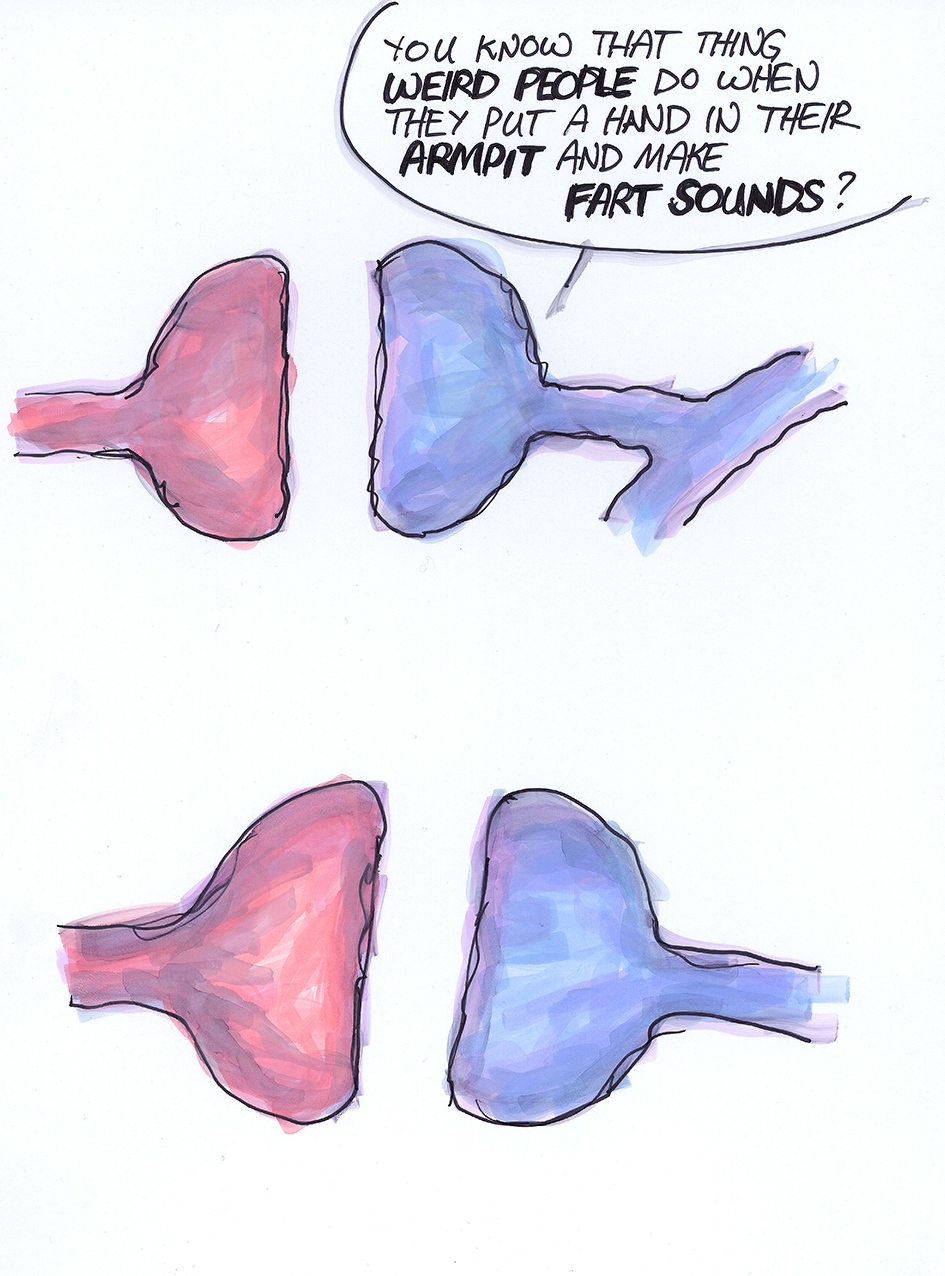
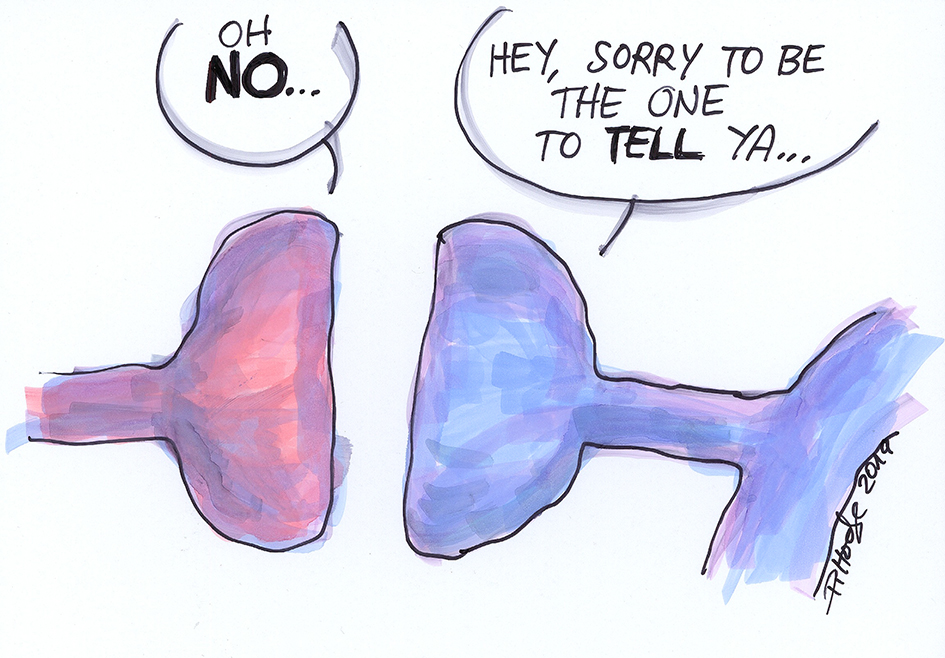
For the entire collection of cartoons click here:
https://goodsciencewriting.com/category/molecular-biology-cartoons/
Memories of an afternoon spent in the microinjection facility… every once in a while a cell got blown up…


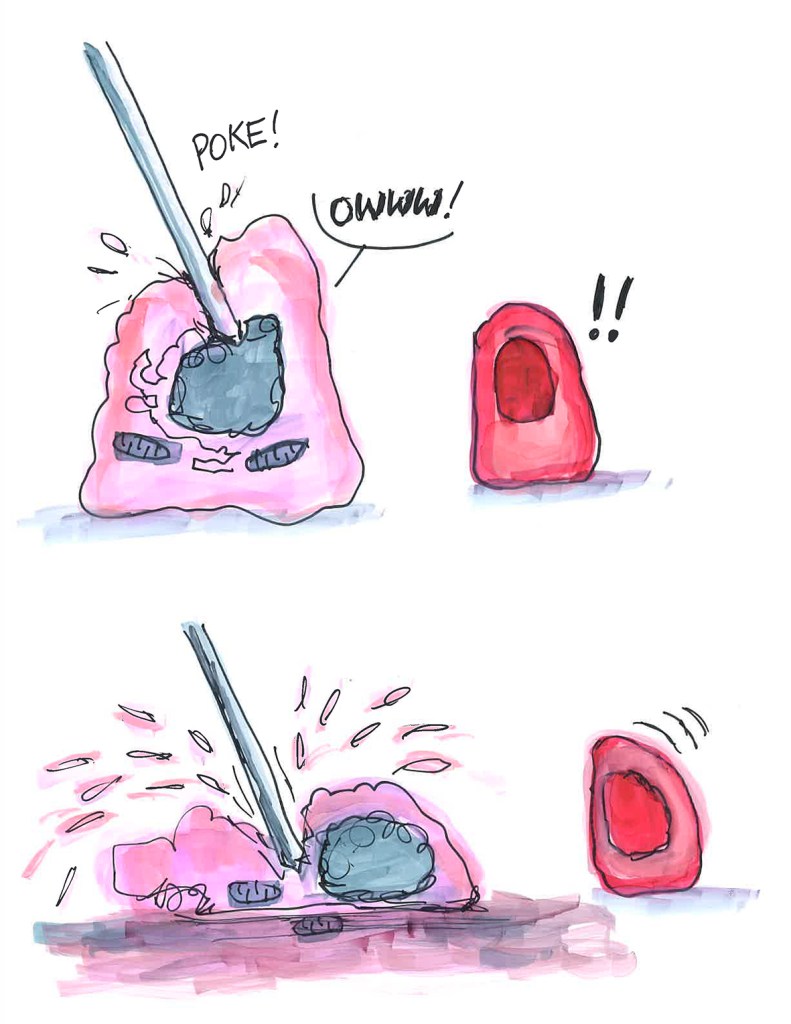

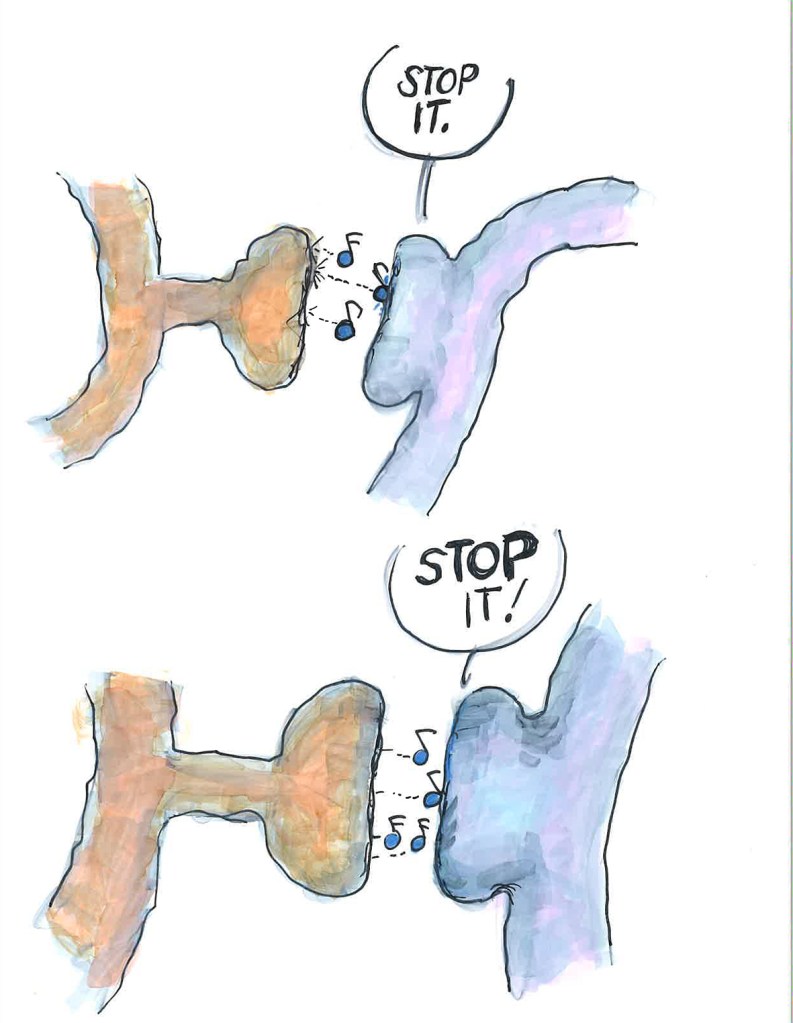
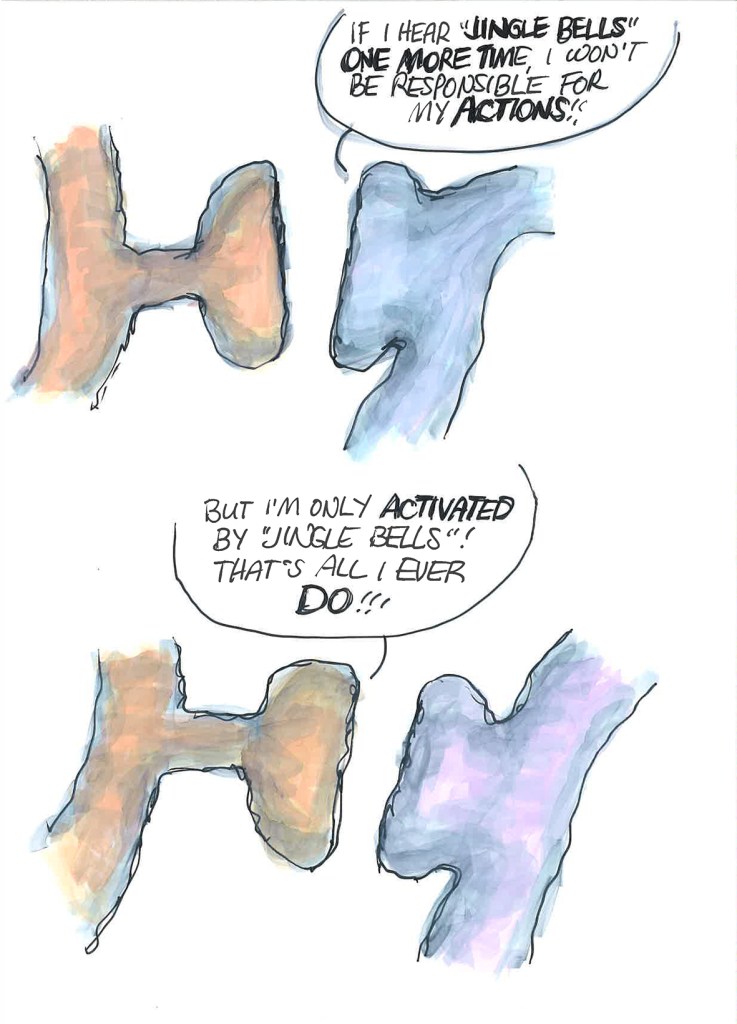
And the synaptic dialogues continue…


 Good Science Writing