All cartoons free for use by citing copyright 2018 by Russ Hodge,
www.goodsciencewriting.wordpress.com
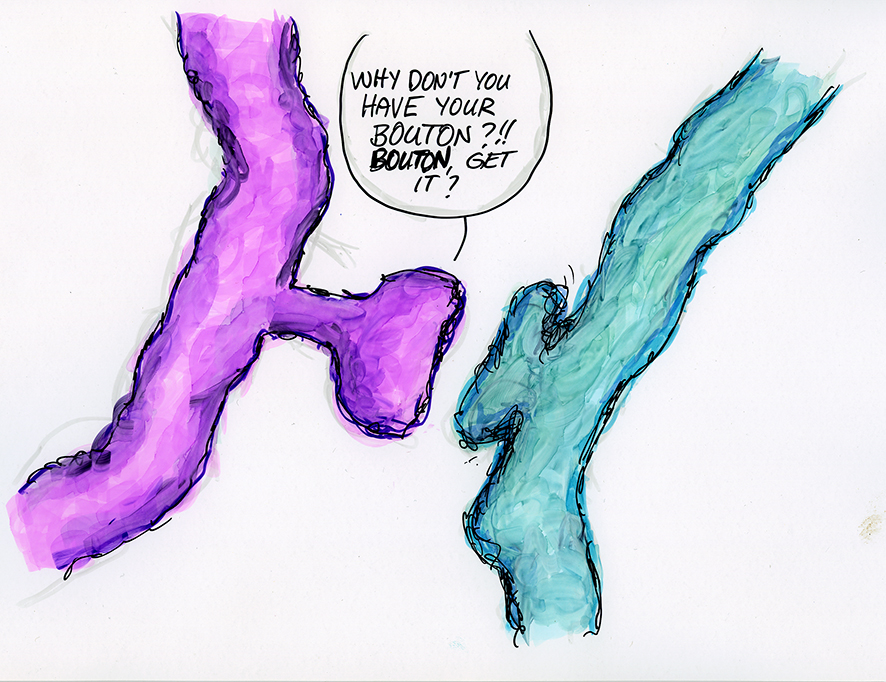
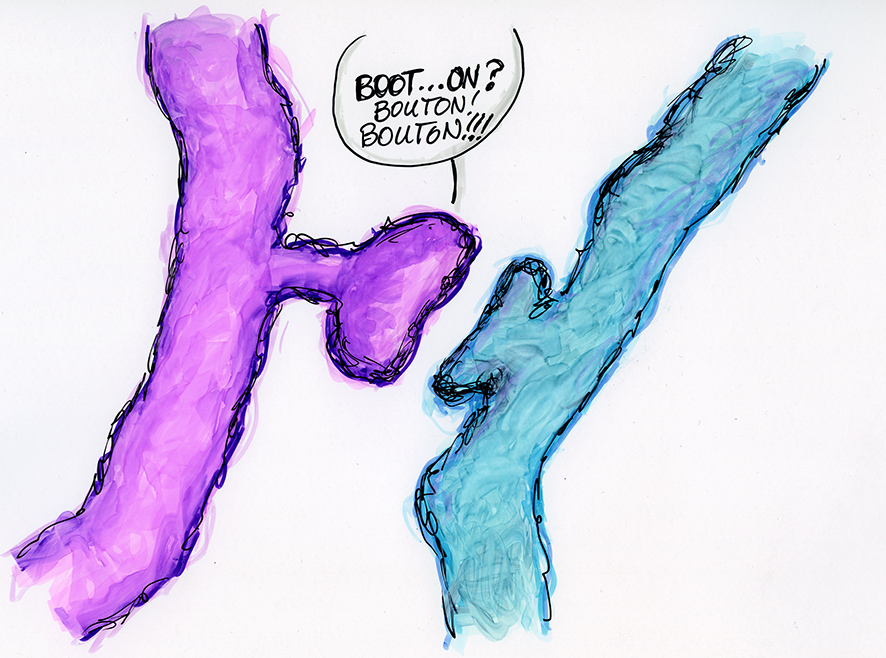
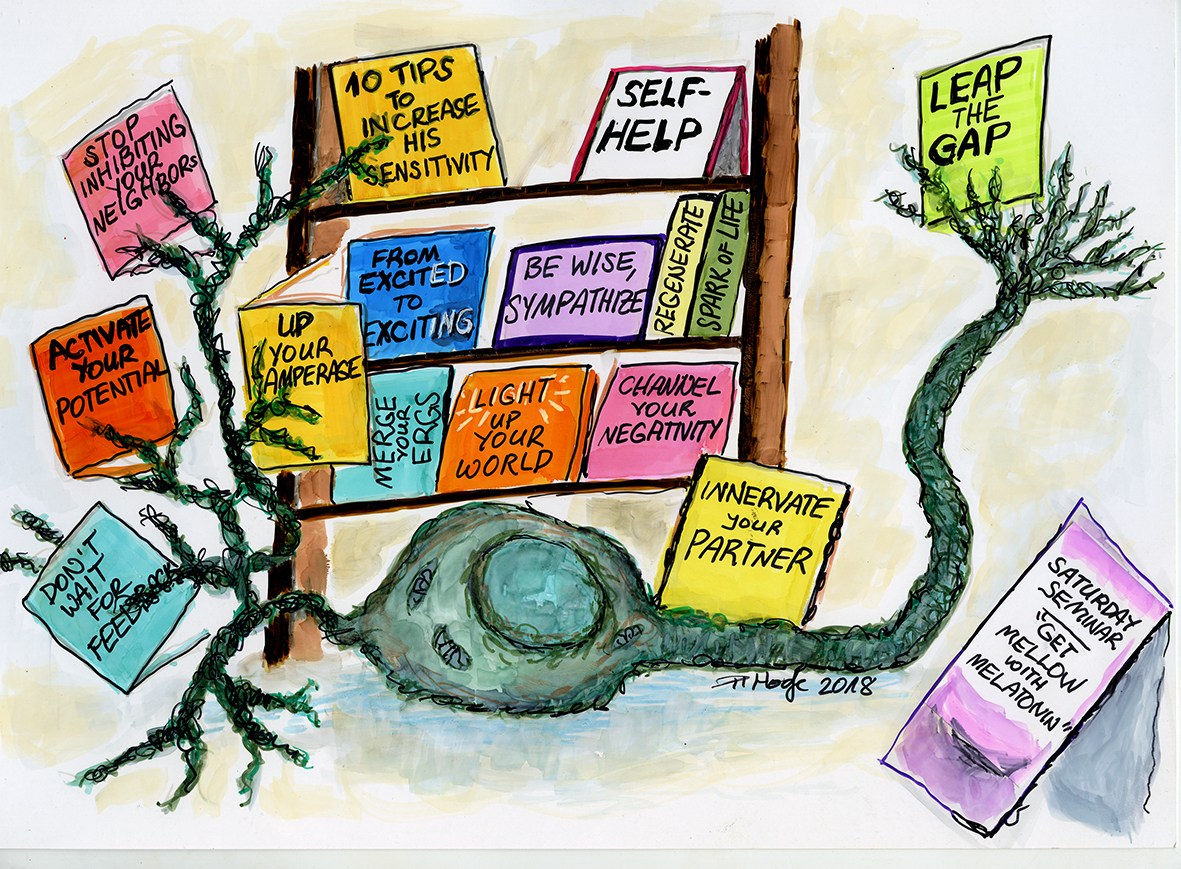
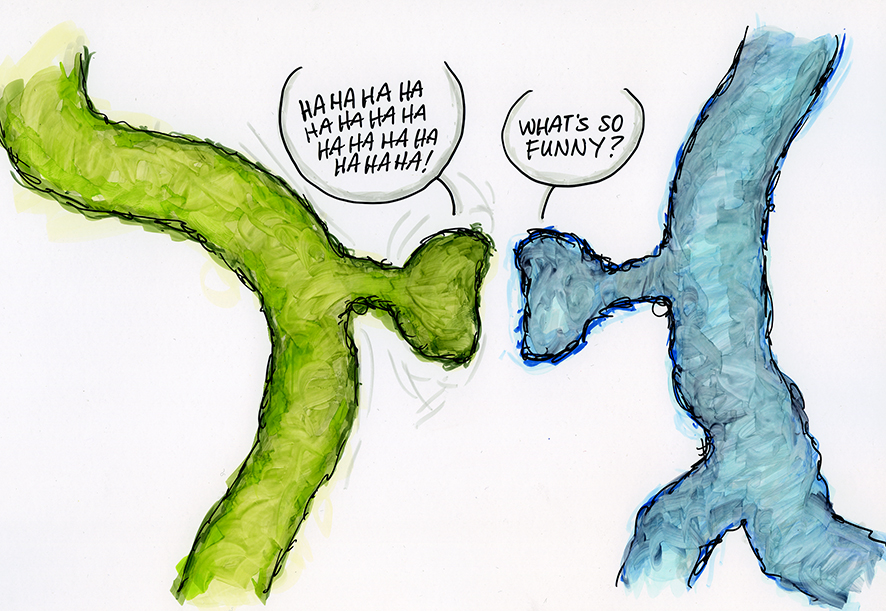
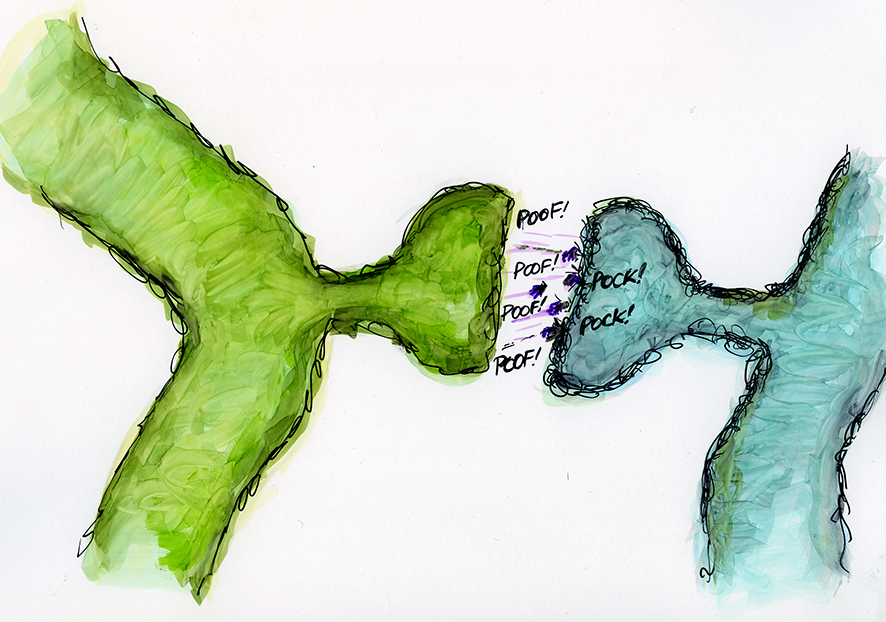
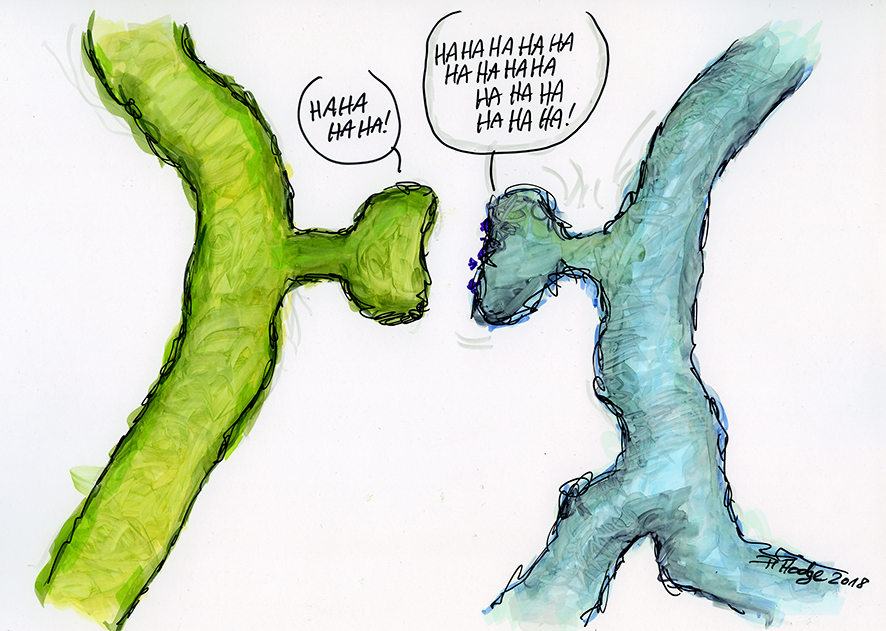
Today’s themes: Synaptic Humor & Self-Help for Neurons…


3.
All cartoons free for use by citing copyright 2018 by Russ Hodge,
www.goodsciencewriting.wordpress.com
3.
all entries in the Devil’s Dictionary copyright 2018 by Russ Hodge
fixing In basic research this term generally refers to chemical methods of preparing a living creature or one of its parts, such as a cell or a tissue, but also a complete organism such as a group leader, so that all of its biological processes are immobilized at the moment of fixation. This is useful if you want to examine the mechanisms that underlie a behavior you do not understand, such as the organism’s refusal to give you feedback on your latest paper. It has the slight disadvantage of killing the object of research. In clinical science, “fixing” usually refers to methods of removing the reproductive organs of an animal so that it won’t engage in uncontrolled, promiscuous acts that would lead to lots of offspring. Given a choice between the experimental and clinical types, most organisms would probably prefer the first.
biomass is used in two ways: 1) the “weight of life.” If you weigh a living organism such as a human being directly before and after its sacrifice, the biomass is the difference. The biomass is just that part of an organism’s weight contained in the Life Force. Some distinguish it from the soul, whose weight must then be subtracted from the Life Force total. If the death produces a ghost, its weight must be subtracted as well. This leaves a biomass that is usually very small, about .000001 grams, although some scientists maintain that this represents the weight of the last breath instead of the Life Force. Others believe that the Life Force and the last breath are the same thing, particularly if you have been eating garlic. If the weight after death is heavier than before, then you’ve waited too long to perform the measurement; the extra weight comes from bacteria and other decomposers which have settled into the organism for the feast and begun to reproduce. People who don’t believe in a Life Force, a soul, or a ghost are not only sort of boring, but they have a more boring definition of biomass: 2) the weight of every living thing in an environment, measured after you’ve stacked it in a big pile.
drift a situation in which the younger generations of a species pack up and move away from the herd, taking their genes along with them. At some point youngsters get fed up with parental control, stuff a bunch of clothes in a backpack, and head off aimlessly on a railway pass, leaving its parents to wonder whether they have taken along a toothbrush. The young generations keep traveling until they have spent all their money, find an ashram that suits their nature, or both. When they reproduce their children go through the cycle all over again, leaving the ashram for other parts.
skeletal muscle long fibers made of fused muscle cells that connect various regions of the brain to different points on the skeleton, turning the body into a sort of marionette and creating the illusion that we have conscious control over it, although some people obviously don’t, at least not their mouths. Skeletal muscle is the foundation of voluntary movement by animals. Before it evolved, animal movement was strictly involuntary – if a pet or child were in the way, you had to pick it up, throw or kick it to make it move. The arrival of skeletal muscle was highly practical because it permitted people to make the trip from the sofa to the refrigerator themselves; you no longer had to spend all your time fetching beer for them.
Skeletal muscle promoted the development of some further evolutionary adaptions while retarding others. Experts believe that it delayed the evolution of language because skeletal muscle allowed animals to use the digits of their forelimbs to point at things. Pointing served all the important functions of language that a species needed except for those that required head-butting or biting. But it also led to negative selection, because having control over your finger made it possible to poke someone else in the eye, and you could no longer blame such behavior on the absence of skeletal muscle. This often led to negative selection through the loss of the finger in question, as well as whatever functions it served in the survival and reproduction of an individual.
grey matter another term for scientific publications.
Searching for Oslo: a non-hypothesis-driven approach
On the publication of “Remote sensing” by the magazine Occulto
This article is intended for all the stakeholders in the broad field of science communication: from practicing scientists at all stages of their careers to science students and teachers, journalists, communicators, and educators. It could also be of interest to linguists, cognitive psychologists, and others interested in the connection between thinking and language. I hope it will be read by those responsible for university programs across Europe, because it provides several arguments for making communications training a standard part of their curricula.
Here I bring together ideas that have been dealt with superficially in other pieces (1, 2, 3, 4) on the blog.
This is a rough draft, one of at least three more major parts to come. In it I aim to demonstrate that the relationship between science and communication is far more profound and interesting than we usually consider. The process that most of us go through when we want to communicate well is crucial to clarifying thinking, and it offers tools that could be used much more strategically in posing new scientific questions and interpreting data. To say this as boldly and plainly as possible: learning to communicate well can improve your scientific work – not only because your papers have better grammar, but because it requires a type of thinking that is extremely useful for science.
I do not say this lightly; I know how skeptically most scientists will greet it. That’s fine; I have waited a long time to write this piece because I needed to collect powerful examples to support it and put them together in a convincing way. If you are a scientist, I hope you will recognize aspects of your own thinking in this piece, and feel that it puts words to things that have become your daily habits. It may even surprise you by revealing “mechanisms” of thinking that you have never considered, yet use all the time.
It has been a long road to get here: 20 years of interacting with scientists at all levels of their careers on a daily basis, working together to find didactic approaches to a wide range of problems, and over 30 years as a teacher overall. Yet it wasn’t until a few years ago that I finally decided to confront some frustrating, content-related problems that constantly arise while helping my students and colleagues write, speak, or communicate in other ways about their work . I realized that we didn’t have a very good model to describe and hopefully understand a lot of the problems they encountered. That motivated four years of systematically analyzing these problems. I came to several conclusions:
I know, the last one’s the big one.
The text starts with a short theoretical introduction. After that I apply the principles it introduces to nine case studies taken from real students’ texts, papers, images and other examples of science communication.
This model is just a beginning, but it has some powerful implications for the way we train scientists and teach them to communicate. It strongly suggests that effective training in these skills should be an integral part of a scientific education early on and continue through a student’s career. But before people start changing their curricula, scientists need to have a convincing model that shows them why it is important, and the method of teaching must be effective. I think this is a start, but it will need to be tested in many formats and teaching environments to be validated and improved.
The model I propose is not comprehensive; I will add another major section on metaphors and patterns in scientific models and a third that specifically explores how these ideas can be practically translated into teaching. I am hoping to work with teachers who are interested in learning the theory and methodology, applying it to other types of science, and becoming multipliers. I think this is the only way to achieve the long-term goal of institutionalising this type of training and ensuring that it becomes a staple of university science curricula throughout Europe.
I need and would greatly appreciate feedback from all stakeholders in this process. Please be as critical as you like; the model has to be tough enough to take it. I will consider all of your comments very carefully, report on them here, and use them to develop better versions of this text, the model it presents, and the teaching that results from it.
Thanks in advance,
Russ Hodge
Please contact me at hodge@mdc-berlin.de if you would like to discuss this personally. Also if you are interested in teaching or training in these fields, in learning the methodology yourself, or would like to discuss setting up workshops or a program to implement its ideas.
Russ Hodge, March 2018
I would like to thank all the scientists who have been such great teachers and given so generously of their time helping me over the past 20 years, the students who continue to inspire this project, the teachers who have been a continual inspiration, and my family, friends, and colleagues present and past for their support.
I would like to particularly thank Prof. James Hartman of the University of Kansas, an extraordinary teacher, lifelong mentor and friend, for setting me on this path so many years ago and stimulating my ideas at exactly the right moments over the years;
Joseph Novak, father of Concept Mapping and one of the most brilliant educators I have ever met, who in a single week at Cold Spring Harbor completely changed my views of the goals of teaching and the methods needed to achieve them;
Jochen Wittbrodt and the COS department at the University of Heidelberg, Gareth Griffiths at the University of Oslo, and Thoralf Niendorf at the MDC for being constantly supportive and serving as the guinea pigs in this crazy endeavour.
1.
2.
 3.
3. All images free for use, just cite copyright 2018 by Russ Hodge, www.goodsciencewriting.wordpress.com
all entries in the Devil’s Dictionary copyright 2018 by Russ Hodge
quantifiction to introduce as many fictional devices as needed into a mathematical or statistical procedure to ensure that you get the result you desire – rather than an ugly truth that would force you to give up your lovely model or, God forbid, your behavior. After a long period of incarceration, quantifiction was recently granted a Presidential pardon. It has been restored to the exalted position it held in the Official Canon of Scientific Methods until two centuries ago, and is being widely implemented by the ruling theocracy in the natural sciences, economics, environmental studies, university mathematics departments, epidemiology, taxation, and all the other fields deemed to have been corroded through the corruptive influence of reason. A number of open source tools have been developed to run under the Open Quantifiction suite, including Fudge factor, Xagerate, disCriminate, overSimplify, Nflate, Denyify, reVersify, and JustLie. See the entry for exaggerate for more.
argument by an algae For a long time, certainly more than a century, perhaps as much as a thousand years, maybe even millions for all I know, scientists have been engaged in a fierce debate on the topic of argument by an algae. Some researchers are for. Some are against. The rest are presumably riding the fence. If you make a career in science, be prepared for the day when someone pops the question, “Do you think arguments by an algae have a place in the way scientific conclusions are reached?” Tread carefully in composing your answer. Whatever the reason for interest in this bizarre topic, people tend to get quite worked up about it. To save you a lot of time, don’t try to find an answer on PubMed. I have been looking for years and have not only been unable to find any literature on the topic, but any reasonable etymological source for the term.
Scientifically, I find it difficult to conceive of any mechanism by which an algae (or the absence of an algae, depending on whether you hoped for a positive or a negtive correlation) could validate (or invalidate) a scientific argument that happened to be going on nearby. Unless, of course, the science concerned algae in the first place. Then there might be some sense in going down to the pond, scraping up a bit of the green stuff (or not), and popping it into your magic-angle, solid state NMR machine. Otherwise, I am at a complete loss regarding what an algae is doing in scientific theory.
X-Y graphs and associated terms X-Y graphs, also known as Cartesian coordinate graphs, refer to a type of plot or chart that was invented far back in prehistoric times by males, as the name implies. Some evolutionary psychologists claim that this system was invented because humans were restricted to two-dimensional thought; i.e., they were able to consider two features of an object at a time, but a third was too much to handle. So, for example, they could understand that a rock was black, or that it was heavy, but not that it was both black and heavy (which would have required adding a third dimension to the chart).
 An example of an X-Y graph
Custom dictates that all data plotted onto an X-Y graph fall within a shape called a Bell curve. When this proves impossible, a number of terms have been invented to describe data that fail to adhere to the rule:
outliars (sometimes spelled outliers) data points that should be clustered with a group but have wandered far astray, like sheep, to take up positions in very distant reaches of graphs. Their existence is an affront because they skew all of your results in an undesirable way, usually but not necessarily in the direction of the outlier. How much shift occurs depends on the number of dots properly gathered into the cluster. Even dots on paper are made of matter, which means they exert gravitational fields on each other, so if there are an awful lot of them, the outliar will tend to fall into an orbit around the cluster over time. Whether or not the orbit decays, drawing the errant point back to the fold, depends on the direction and velocity of the outliar at the time it was trapped on the paper. And whether there are other graphs lying nearby that might draw it into their gravitational fields instead.
outrightliars – outliers that are even farther away, always on the right side, providing information which simply cannot be true because it does not fit the lovely paradigm you developed; it never occurred to you to look that far away. There may be many even downrighterliars, so far away they are located on someone else’s chart.
dirtyliars – points plotted on a graph that got smudged somehow, perhaps because the dots are so small they fall prey to Heisenberg’s uncertainty principle, or they are being chased by Schrödinger’s cat, so their exact positions cannot be determined.
altimeter a measuring stick or large ruler, always a few inches longer than a yard, that has been stored in a high place, probably to keep the dog or the children from getting their teeth or paws on it. Contrast with antimeter – a measuring stick used exclusively to measure negative numbers, which is why 0 is found to the far right and the rest of the numbers run in reverse order. (Not to be confused with antimatter, but the reverse polarity of the stick would permit it to be used to measure that as well.)
ion – a particle that is charged, usually with VISA, but MasterCard is accepted in some places; be sure to save the receipt, what with all the identity theft going on these days. Used as the stem for the following additional terms:
anion – means simply “an ion”; the space was omitted through a misprint in a textbook long ago and now people think anion means something other than one ion, but just ignore them because they’re wrong.
cation – a cat that has been loaded with a powerful charge of static electricity by rubbing it against a carpet; the longer you rub, the higher the charge, as measured by the number of scratches on your arms. Released, the cat dashes off to deliver a powerful shock to whatever person or animal it encounters next. This may result in fatalities, depending on the age and overall health of the victim, whether they are wearing a pacemaker, if they have recently undergone an examination using MRI, etc.
Searching for Oslo: a non-hypothesis-driven approach
On the publication of “Remote sensing” by the magazine Occulto
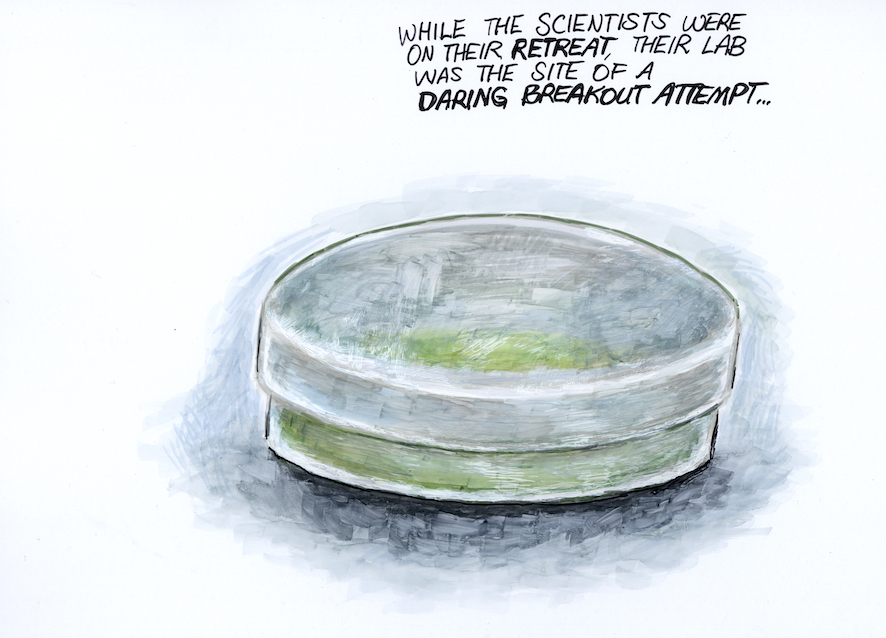 somewhere inside….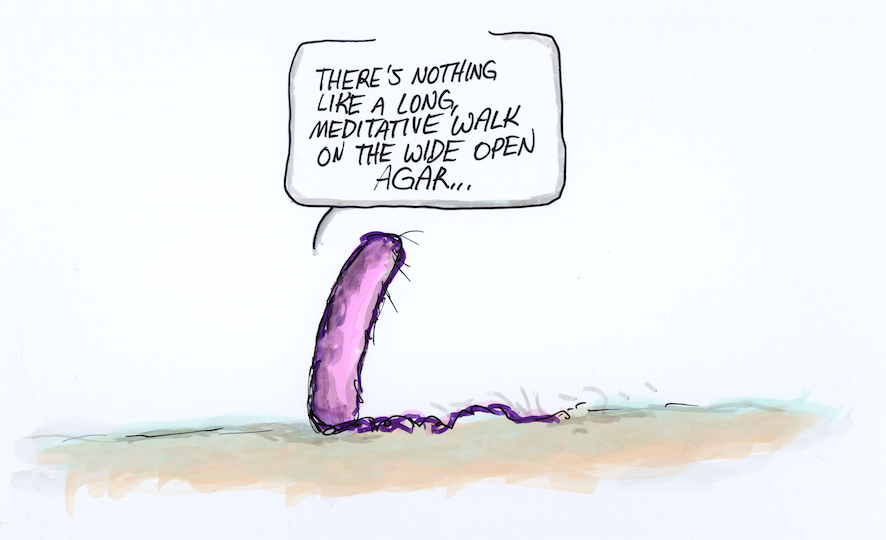
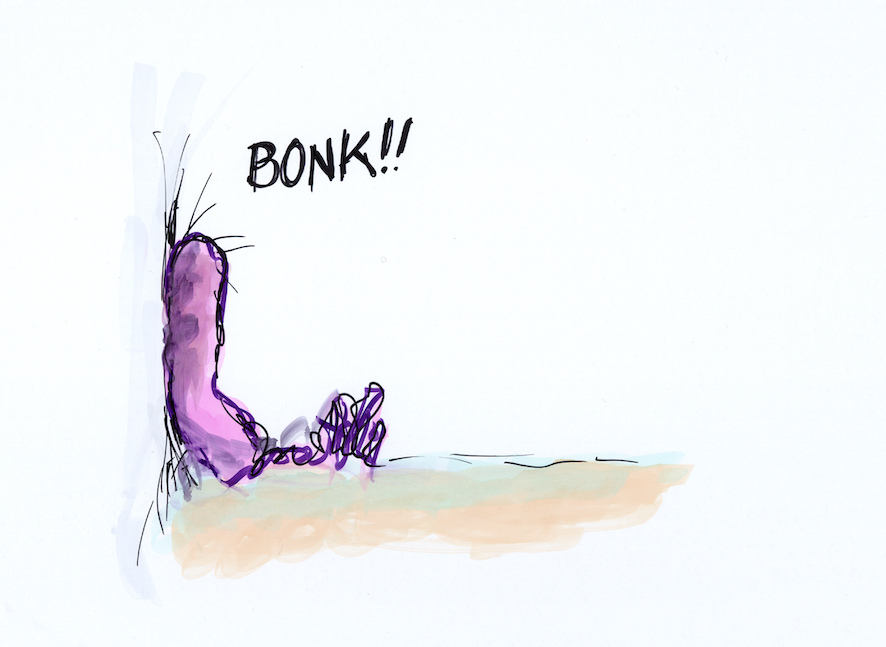

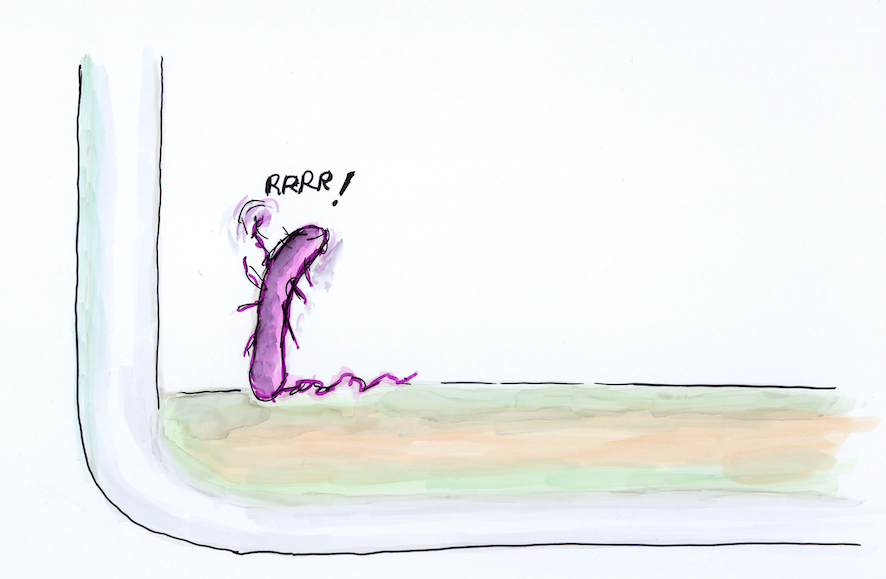


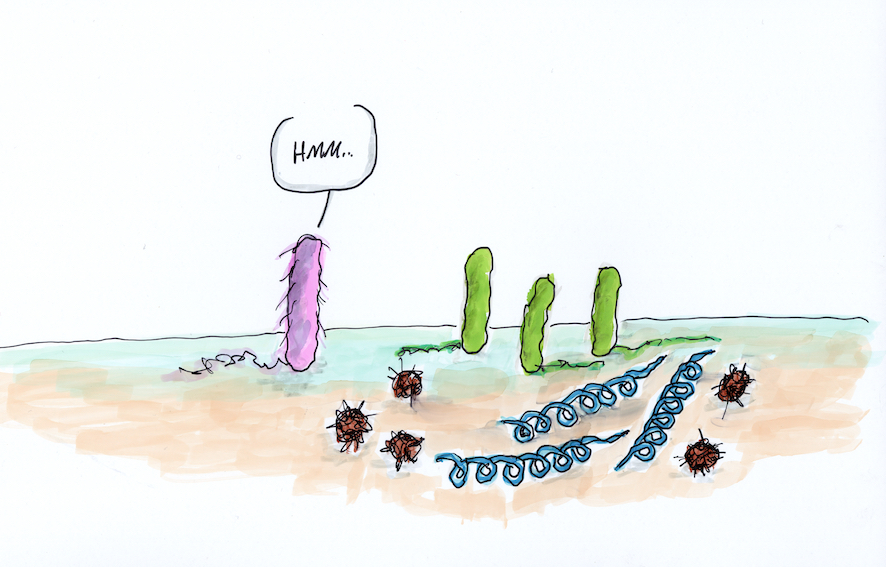

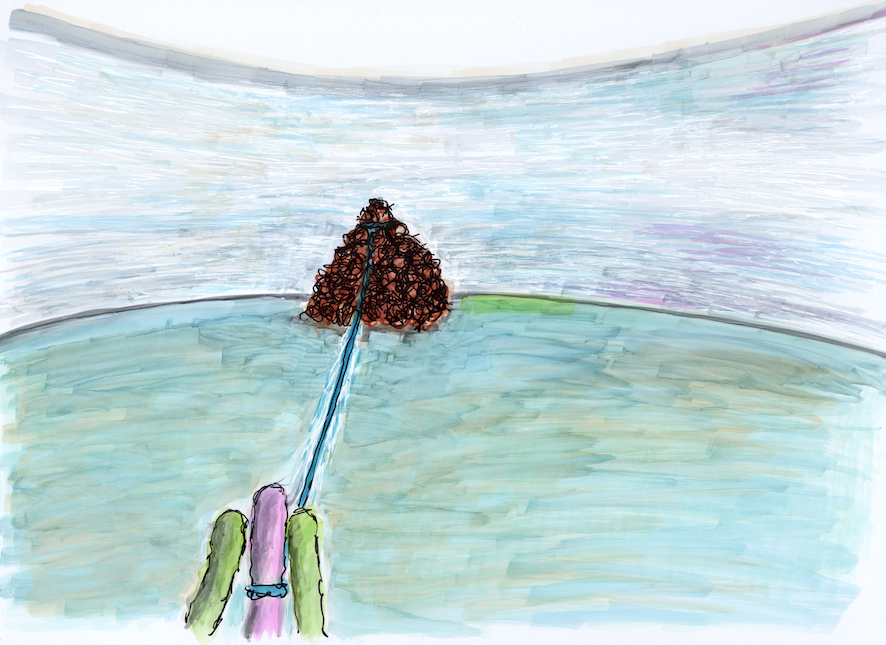
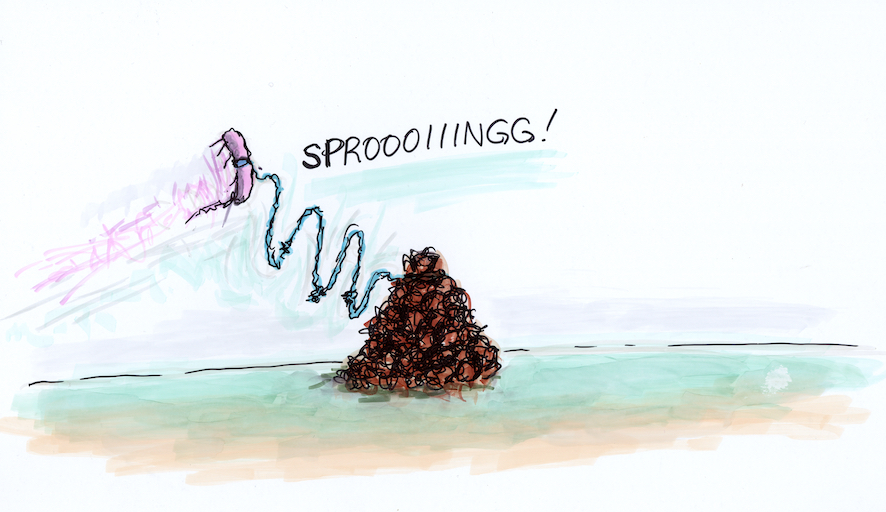
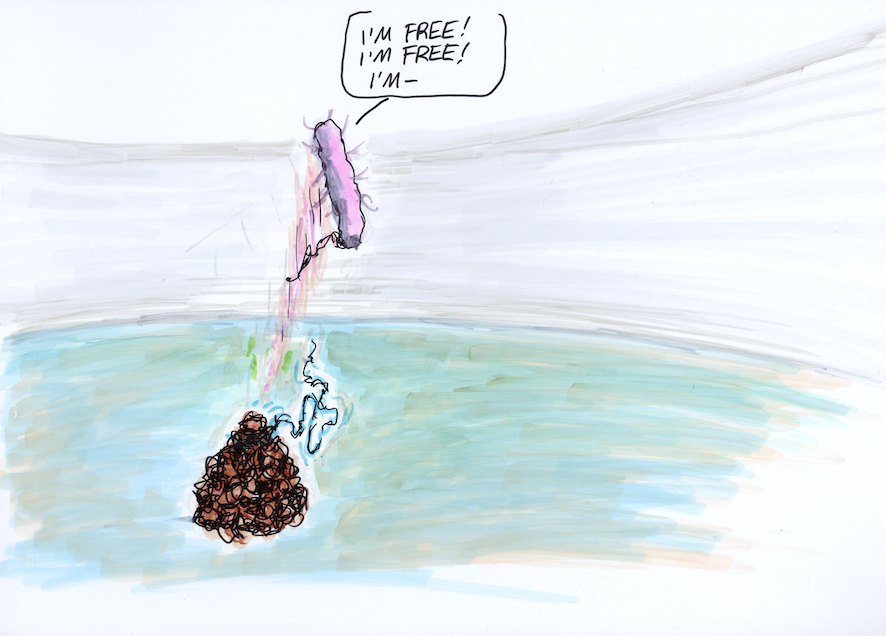
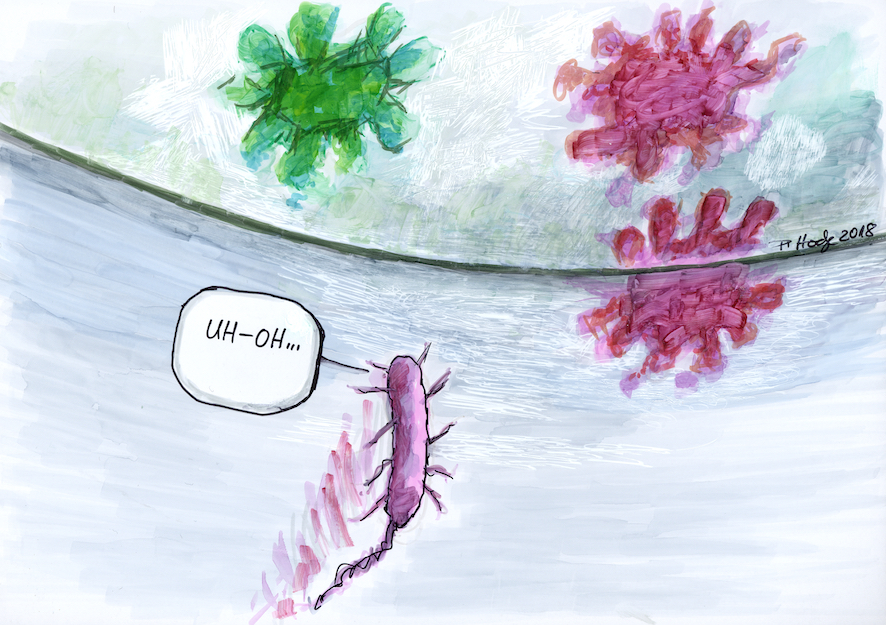 all cartoons free for use by citing
copyright 2018 by Russ Hodge
http://www.goodsciencewriting.wordpress.com
1.
2.
3.
All cartoons free for use, just cite copyright 2018 by Russ Hodge,
http://www.goodsciencewriting.wordpress.com
1.
2.

3.

All cartoons on the site free for use, just cite:
“copyright 2018 by Russ Hodge, http://www.goodsciencewriting.wordpress.com”
1.

2.

3.
 all cartoons free for use; cite copyright 2018 by Russ Hodge,
http://www.goodsciencewriting.wordpress.com
all cartoons free for use, cite copyright 2018 by Russ Hodge, http://www.goodsciencewriting.wordpress.com
 2.
2.

3.
 Good Science Writing