The Devil’s dictionary returns!

more entries in the Devil’s Dictionary: today including palindromidae, factoid, gyration gladiate, laminate, and lamprey

See the complete Devil’s Dictionary of Scientific Words and Phrases here.
3707_001

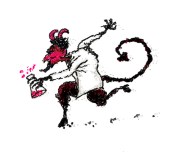
palindromidae  members of very rare camelid species with such nearly perfect anterior-posterior symmetry that only experts can determine which end is the front and which the back. The most famous example is the Pushmi-pullyu, a llama with heads on both ends. Its first description in the scientific literature was provided by the group of Dr. John Dolittle (see, for example, Lofting et al, 1922), who originally mistook it for a cross between a gazelle and a unicorn. (The mistake was corrected for the documentary film on Dolittle’s career, produced by Walt Disney in 1967.) The animals themselves often become confused about whether they are coming or going, and have nearly gone extinct due to physiological difficulties during reproduction, or quarrels over which end gets a mate. The term is sometimes extended by analogy to human beings who can’t tell their heads from their asses.

factoid  a unit of information which can be combined with other units to create a fact.

gyration  the circular motion of an object around an axis, such as planets around a star, or hips around a pelvis. Gyration was discovered by Elvis Presley; until then, it was thought that the hips moved according to a model based on epicycles.

gladiate  to mediate between parties in a dispute using knives, axes, or other weapons, including the tongue, if it has been sufficiently sharpened by irony.

laminate  to preserve an object – such as a hotdog, a PhD student, or a cadaver – by placing it in an airtight seal, using Saran Wrap or a similar substance, so that it can be bought from a vending machine or unpacked for use in experiments at a later date.

lamprey  an organism that attaches itself to another, or sometimes unintentionally an inanimate object, by placing its lips on the surface it and sucking hard to create a sort of biological suction cup. If, by chance, two lampreys engage in a mutual lip-lock, one may suck the other inside. The term is sometimes extended metaphorically to a scientist who hitches his career onto that of another and never lets go. Parasitic lampreys live off the blood out of their hosts, sometimes boring through the skin; the mechanisms that prevent them from boring all the way through and falling out the other side have not yet been described. The best method of removing a lamprey is with a crowbar.

Here’s a slightly revised version of an old entry, enhanced after some new historical facts came to light:

oviduct  In modern times this refers to a chute or apparatus in an egg factory which transports an egg from its point of origin in a chicken to its ultimate destination in an egg carton. The etymology of the word is interesting; the roots are derived from ovi- (eggs) and ductus, which was a Medieval vocal composition to be performed during marches or processions. The link between eggs and music is a custom from ancient times that began before dawn every day when a procession of soldiers, priests, and other dignitaries marched to a farm, selected an exceptional egg, and marched it back to the palace, setting the pace by singing a ductus. At the palace the egg was delivered to the Duke of Breakfast, who examined it for cracks or other obvious flaws, such as syringe marks, which might be an indication of an assassination attempt, in a ceremony adorned by plenty of Pomp and whatever Circumstances the occasion might require. After the Duke’s formal acceptance of the egg, he placed it in a bejeweled container called an ovi-carton and personally delivered it to the King. The King conducted his own inspection, with the option of declaring it kingsworthy and handing it to a page for delivery to the kitchen, or rejecting it and cutting off the Duke’s head.

Thus the original meaning of oviduct is best captured by a phrase such as, “Processional music for the King’s Egg.” The oviductus was one of the major musical genres of the late Renaissance and Early Baroque eras, undergoing an evolution not dissimilar to that of the sonata, dance suite, opera, and kazoo symphony, fulfilling an essential social function by providing a livelihood for musicians who were contractually obligated to compose a new one every day for as long as they were employed by the court, unless they died or went insane. All oeuvres in the genre share a feature: the rhythmic structure of the “Colonel Bogey March.”

In modern times Kings get their eggs from amazon.com, sometimes using the delivery-by-drone service, and this sounded the death knell of/hammered the final nail into the coffin of/brought a definitive end to the art form known as/ushered in the Götterdämmerung of the musical genre known as the oviductus.

When a thing disappears the word often follows, unless it jumps the species barrier to inhabit another object. Oviductus was rehabilitaed in the shorter form oviduct: understood as a chute, apparatus, delivery robot or limousine service that collects a product at its source (chicken) and delivers it to its destination (egg carton). Linguistic creativity led to the combination of -duct with other roots in words such as aquiduct, boviduct, air conditioning duct, etc. In the process –ducts came to represent passageways between the starting position of a thing and its final resting point: Acquiduct, for example, is the route by which “aqua” (water) is passed to cities and towns and ultimately into the urinary tract for recycling. Bovi-, the Latin root for cattle, has now been used to coin the term boviduct, a passageway in slaughterhouses used by cows who have been selected for passage to the Other Side and a new plane of existence which must be pretty wonderful because they are so content they forget to write postcards home. By extension, one should understand air conditioner duct as the network of passageways in a house by which air conditioners are shuttled from room to room.

I recently came across a modern reference to a boviduct in a text in Dutch on a website. Here I present the original and a rough translation. (For those of you who don’t speak Dutch, a word of caution: be aware that according to some scholars, Dutch isn’t a real language. It’s a random mixture of German and English and some old Viking words, thrown together with any word order a speaker feels comfortable with, and then vocalized in a Scottish brogue. This is actually wonderful for translators, because it gives them a great deal of freedom in interpreting the text. It also adds a certain excitement to relationships, because neither partner can ever be completely sure of what the other means.) I certainly wouldn’t call myself an expert in Dutch, but based on a thorough acquaintance with English and German and after a weekend of total Dutch immersion I have enough of a feel for the language to offer a rough translation:

Original

Een aantal panden kan worden afgevoerd omdat ze inmiddels zijn gesloopt of zodanig verbouwd dat de historische kantjes er wel af zijn. Maar de speurders kunnen er ook wat aan toevoegen: karakteristieke stukjes bebouwing die beschermd dorpsgezicht zouden moeten worden, mogelijke archeologische vindplaatsen (Oene) en een aantal kleine cultuurhistorische objecten. Een daarvan is het ‘boviduct’ in Vaassen, een tunneltje als doorgang voor het vee onder de Geelmolensebeek door, die even voor de Geelmolen in een hoge bedding stroomt. Het zou de enige boviduct in Nederland kunnen zijn.

Translation:

A portion of panda can work effectively if governed in the middle of ten sloppy sudden buildings where the historical corners are well-seen. But the spurters can hook something up to the tobogan; characteristic pieces built the smeary (beschmierde) dork-face that has suddenly become mute (Note: the word in the original Dutch is moet, and the author may instead be referring to an alcoholic beverage), perhaps like archeological wind palaces (or at least one of them) and a smidgen of small culturo-histo objects. A divan is the “boviduct” in Vaassen, a tunnel which begins at the doorway of the horny moles’ back door, which existed even before the horny moles needed it to “storm” (move with effort) a huge bedding. It is there that the only boviduct in the Netherlands can be seen today.

Reference: https://ampt-epe.nl

If you liked the Devil’s Dictionary, you’ll probably also enjoy:

Searching for Oslo: a non-hypothesis-driven approach

On the publication of “Remote sensing” by the magazine Occulto
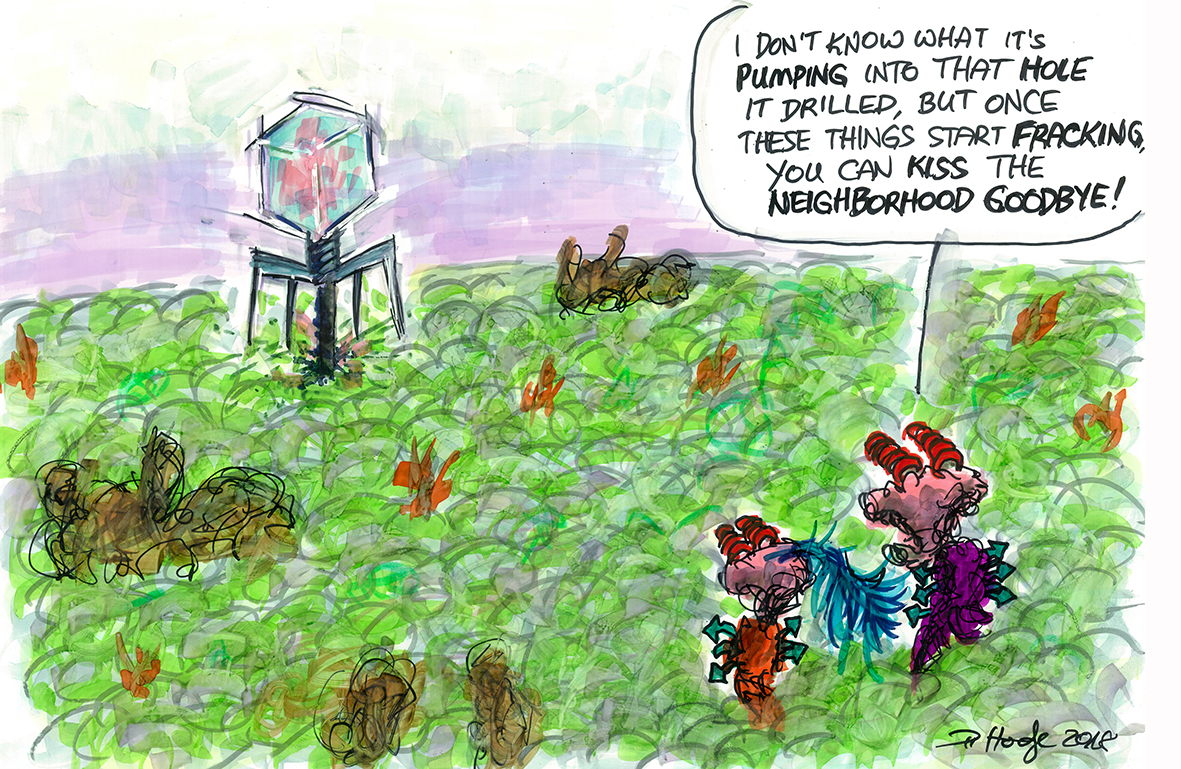
 

Can it be? two updates in one day…???

Even more entries in the Devil’s Dictionary: development, inebriation, perianth, and tepal.

See the complete Devil’s Dictionary of Scientific Words and Phrases here.

3707_001

all entries in the Devil’s Dictionary copyright 2018 by Russ Hodge


development  a process by which complex organisms arise from a single cell (often a fertilized egg), then go through a brief, chaotic phase as multicellular organisms before degenerating. This requires a great deal of energy and places an enormous burden on the entire ecosphere, which must expend fantastic resources to give such organisms something to eat. Originally multicellularity arose when a progenitor’s offspring were too lazy to leave home, get jobs and carry out fruitful, independent lives. Instead they remained stuck together in a sort of commune or collective, which happened for several reasons: they shared a common religious or political ideology, or were simply too lazy to learn to fend for themselves and developed a pathological co-dependency on each other. Or they were simply too sticky to detach themselves. Ultimately all of these experiments fail because the group becomes too large to manage, descends into anarchy, and finally falls apart, leaving single cells again. At that point you have to wonder whether it is worth it, if the whole point is simply to end up as food for bacteria and worms.

inebriation  a scale used by medical professionals to estimate the degree of severity of a case of alcohol poisoning in a patient. The lowest end of the scale is represented by the teetotaller, a person who drinks uniquely tea, usually a green, murky type that tastes like it has been aged in a brackish swamp somewhere. There follows sobriety, a temporary situation in which alcohol is no longer measurable in the bloodstream, usually attained after an extended stay in a rehabilitation clinic. Further points along the scale, in temporal order, are buzzed, rowdy, obnoxious, hammered, incoherent, blackout, dead to the world, death warmed over, hung-over, powerfully thirsty, andhair-of-the-dog. At that point the cycle repeats itself. If the poison of choice is tequila, some steps are very short-lived or skipped over entirely.

perianth  the non-reproductive part of a flower; generally the ugly parts which resemble weeds, or everything that is left when the petals fall off.

tepal  a part of a plant which arises when it misspells a petal.


If you liked the Devil’s Dictionary, you’ll probably also enjoy:

Even God’s first paper got rejected…

Searching for Oslo: a non-hypothesis-driven approach

On-line etiquette for clones; with a few tips for zombies…


Holiday entries in the Devil’s dictionary!

Today’s entries in the Devil’s Dictionary include fruitcake, novelty, polymery, sepal, shrub and whorl.

See the complete Devil’s Dictionary of Scientific Words and Phrases here.

3707_001

all entries in the Devil’s Dictionary copyright 2018 by Russ Hodge

fruitcake  the product of a complex chemical experiment in which flour is taken in its raw, inedible form and combined with various other ingredients, some of which originally hung from trees in tropical climates, then subjected to intense heat until they reach a solidified form that is practically inedible unless you are willing to risk some teeth. A person probably wouldn’t die after eating some, but it has rarely been tried; only anecdotal evidence exists in the literature. The baked form resembles an adobe brick and can be used for most of the same purposes. The other main use is purely ritualistic and plays a role in Christmas festivities. A family bakes some, wraps them up as presents, and gives them to the neighbors. They, in turn, give their own version of fruitcake as form of revenge. Neither will eat the object, but you can’t throw it away – they might notice it in your garbage can. People do check what their neighbors are throwing away after the holidays. The solution is to archive it in the deep freeze, with a label indicating the year. We have a fruitcake in our freezer from the year 1897.

novelty  a scale used to indicate the degree of plagiarism or copyright infringement contained in a project or paper. “High novelty” indicates that a term, experiment or concept has been modified enough to evade most legal actions. A “low degree of novelty” is usually an indication that the author or inventor should be heavily insured against claims by others.

polymery  a state of intoxication in a parrot.

sepal  a sort of umbrella growing over the bud of a flower, to protect it from hailstorms and hide its sexual organs from the wrong pollinators.

shrub  a derogatory term used by trees to refer to plants that are unnaturally stunted, haven’t fulfilled their potential, or are somehow disappointing overall.

 whorl a region within a person’s hair which is shaped like a tiny hurricane, formed through similar physical forces. In those born in the Northern Hemisphere, whorls generally form in a clockwise direction, while in the Southern Hemisphere the structure flows in a counter-clockwise direction, viewed from above. Usually this region is located on the back side of the head, although there have been well-documented cases of its appearance in other places, such as between the eyebrows. Contrary to popular belief, one cannot retrain a whorl to grow in the opposite direction by sticking a finger into it and twirling it in the opposite direction, or with the aid of some mechanical device such as an electric mixer, although a few recent studies suggest that this can be achieved temporarily if the device rotates at a speed above 1000 rpm.

If you liked the Devil’s Dictionary, you’ll probably also enjoy:

Searching for Oslo: a non-hypothesis-driven approach

On the publication of “Remote sensing” by the magazine Occulto


The Devil’s dictionary returns!

Finally new entries in the Devil’s Dictionary: today including cingulation, fat, fat index, geotonus, faunal region, feedback, habituation, polymer, and xylophagy.

See the complete Devil’s Dictionary of Scientific Words and Phrases here.

3707_001

all entries in the Devil’s Dictionary copyright 2018 by Russ Hodge

cingulation the process of squeezing something into a form that is demonstrably too small for it, such as a pair of jeans or a girdle.

fat an acronym for the expression full of adipose tissue.

fat index a list of overweight people maintained by government agencies and insurance companies. In recent years this information is collected electronically by scales, chairs, and other devices and automatically forwarded to the appropriate authority via the Internet.

geotonus the technical term for falling flat on one’s face. Scientists believe that in humans, this behavior represents an evolutionary adaptation, as the optimal arrangement for the body’s organs for the metabolism of high quantities of alcohol.

faunal region any surface of a human body which offers a favorable climate for plant life, such as the fungi that infest feet, seeds that sprout from belly buttons, mold on the underside of wigs, or the numerous species that grow from ear wax. The existence of faunal regions motivated the tradition of throwing grains of rice on a bride and groom, in hopes that some of it would take root and give the couple a portable source of nutrition. The evolution of higher cognitive processes in modern humans was accompanied by the development of a sense of shame and modesty and the invention of clothing. At that point plant life had a harder time finding habitable niches, so humans began adorning their apparel with artificial fauna such as plastic carnations, entire fruit orchards growing from the hat of the Queen, and vegetable sauces ornamenting the aprons worn by butchers and cooks named Luigi.

feedback a spontaneous reflex in response to being fed something you have no desire to eat, which often occurs after someone says, “Close your eyes and taste this.” In adults the reflex typically involves extracting the material from the mouth with a hand and cramming it into the mouth (or some other available orifice) of the offender. Young infants who do not have complete mastery of their hands usually just spit offensive substances back along the line of trajectory from which it arrived. When an adult repeats this process several times successively, with the same results, the situation is called a feedback loop. A feedback mechanism is a robotic apparatus to simulate the above.

habituation an intermediary stage in the development of a human relationship. It begins directly after the period of attraction and lasts until the onset of death by boredom.

polymer the designation for a collection of objects that experience some sort of attraction for each other, become attached, and remain that way until being physically separated – by an enzyme, a hacksaw, a pry-bar, or various types of legal proceedings. Examples of polymers include amino acids, relatives who show up for the holidays, children and babysitters, people handcuffed to each other, members of a chain gang, professors and students, scientists and administrators, and pets and owners.

 xylophagy the process of digesting a xylophone.


If you liked the Devil’s Dictionary, you’ll probably also enjoy:

Searching for Oslo: a non-hypothesis-driven approach

On the publication of “Remote sensing” by the magazine Occulto


Another new animated video for the “Crazy Cell”

Today’s entry: Microtubule madness!

Lots of things can happen as a motor protein drags its cargo down a microtubule… Many more of these to come.


You’ll find other animations on my new YouTube channel called “The Crazy Cell”:

https://www.youtube.com/channel/UC29njn_UgTiG8AwZSBH8k8A

You may use any of the videos on my YouTube channel for presentations and so on if you cite,

copyright 2018 by Russ Hodge, http://www.goodsciencewriting.wordpress.com

The latest set of cartoons…

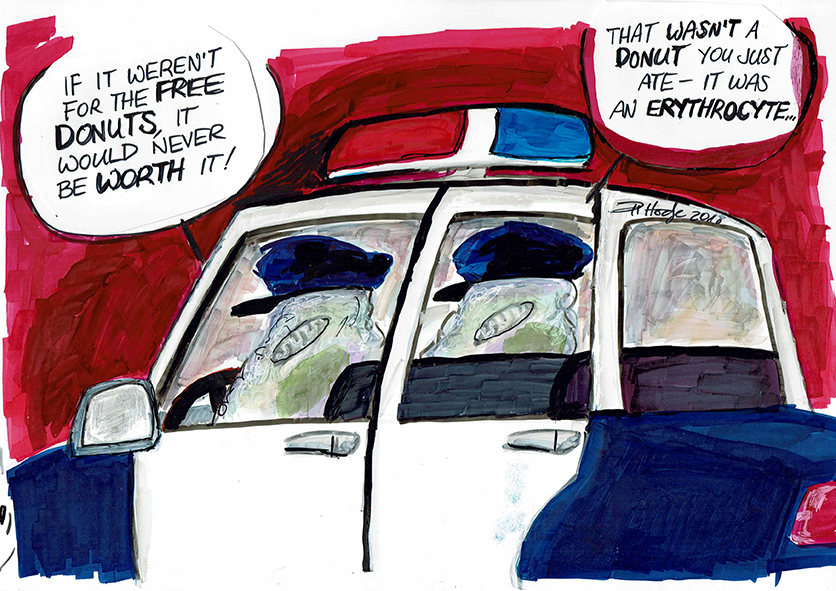
Today’s topics:  A viral attack, deviant plants and more synaptic dialogues…

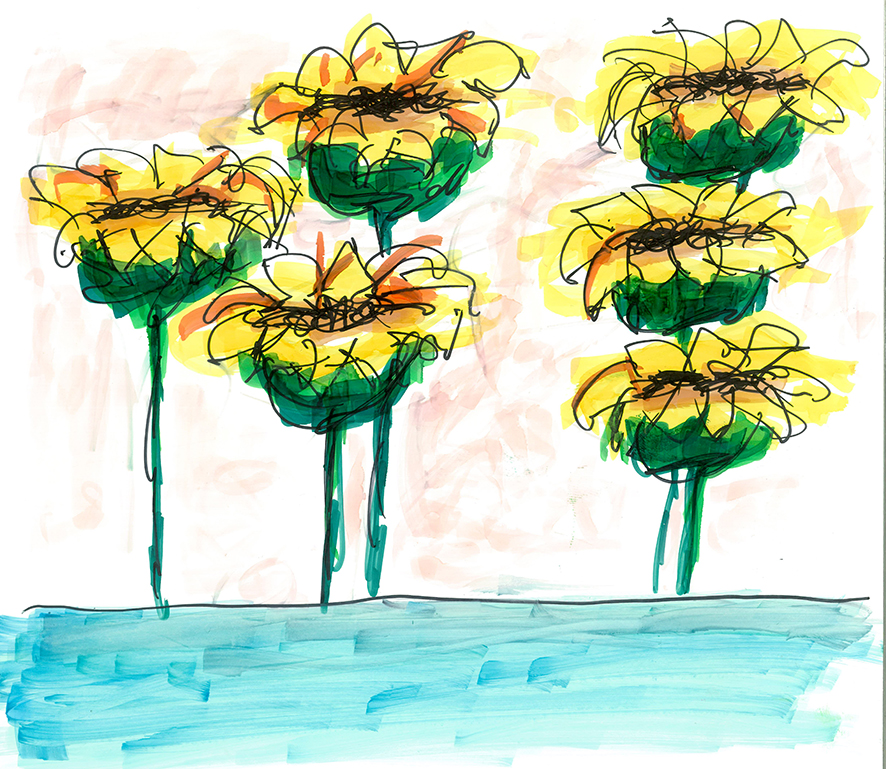
Evolution continues to tinker with the plant world, producing variants that sometimes don’t work out…

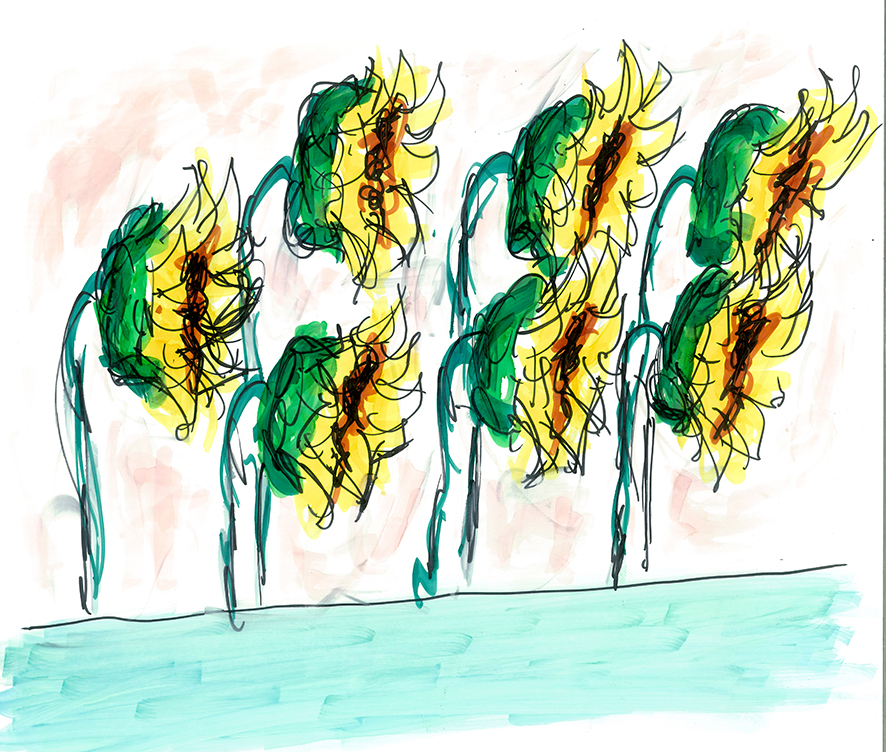
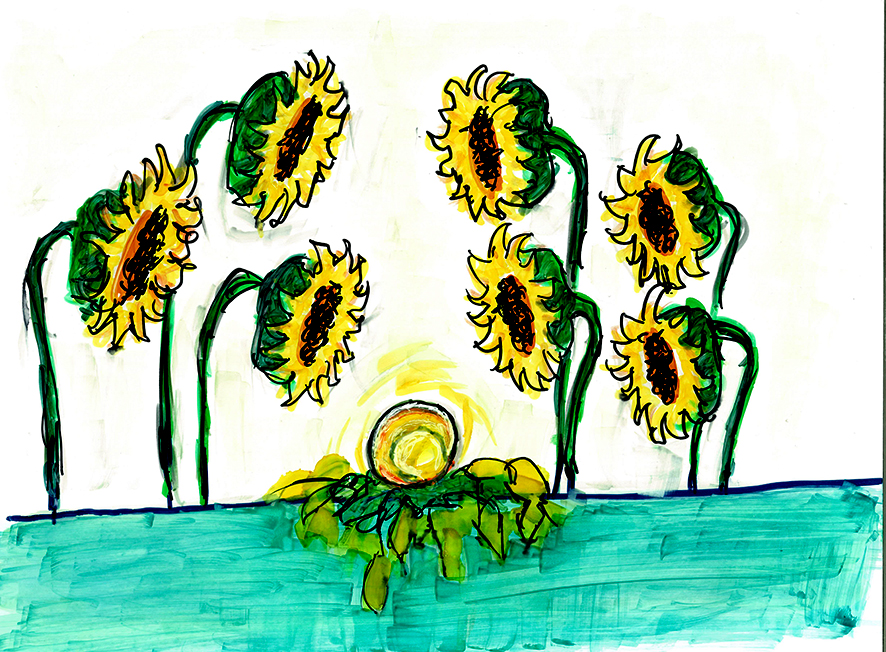
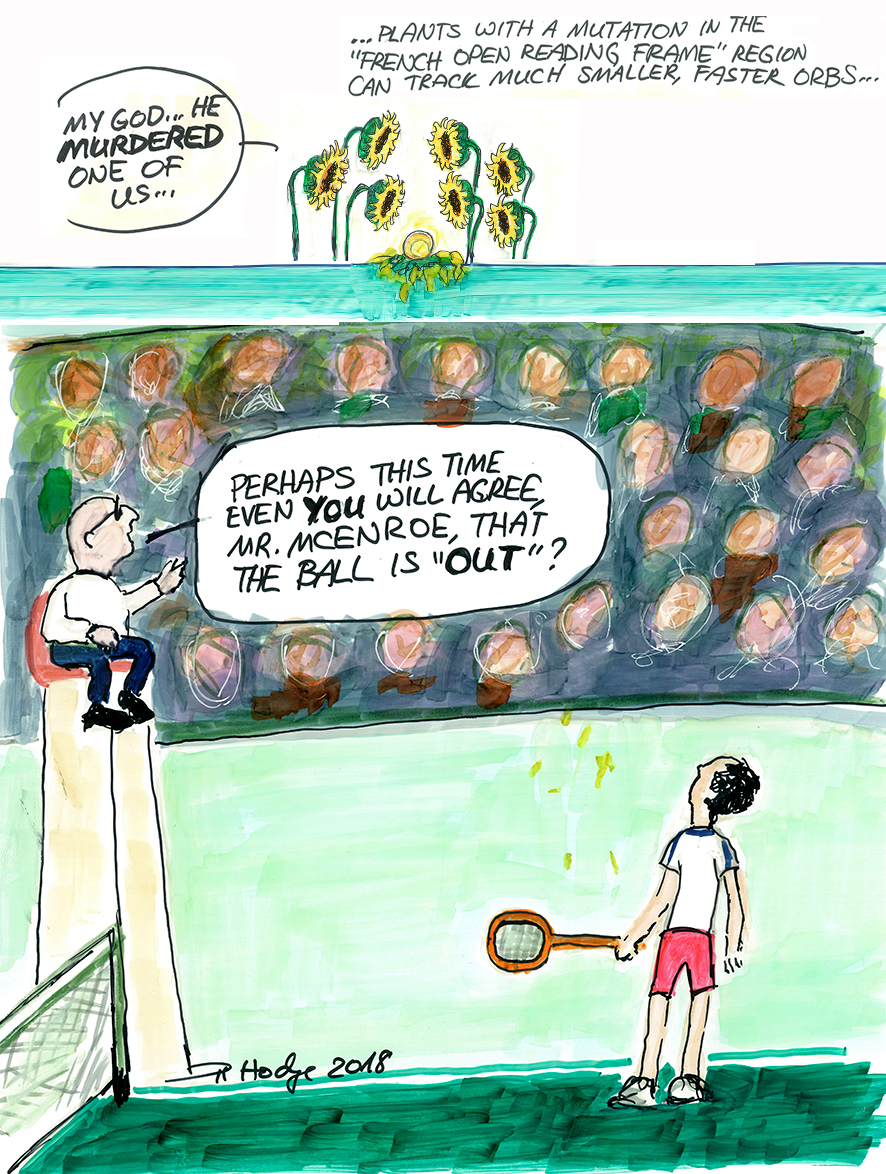
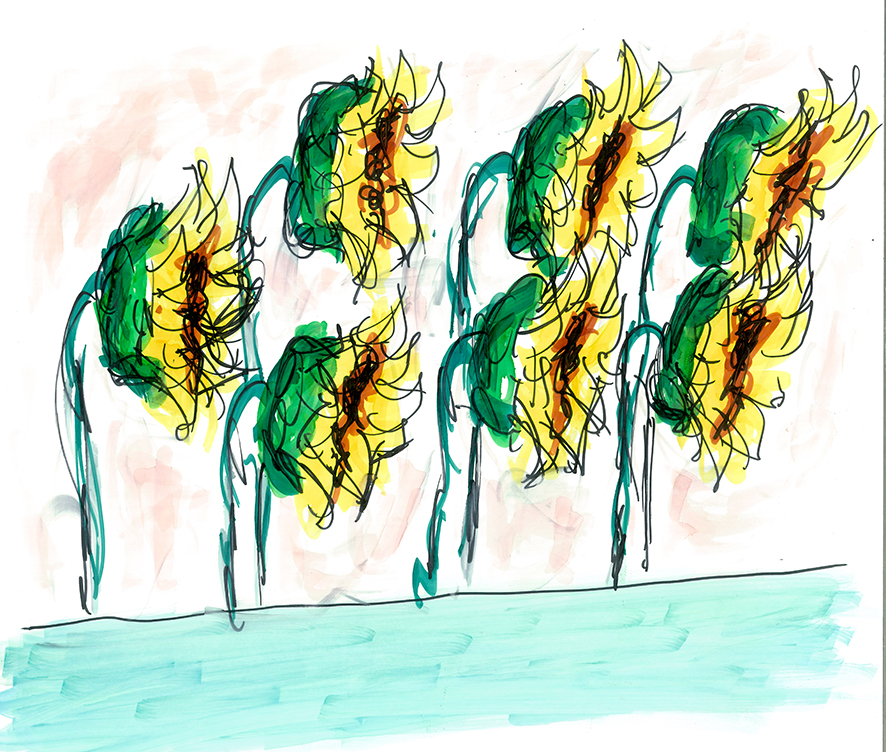
2. SUNFLOWERS get their name from the way their heads track a luminous orb through the sky…


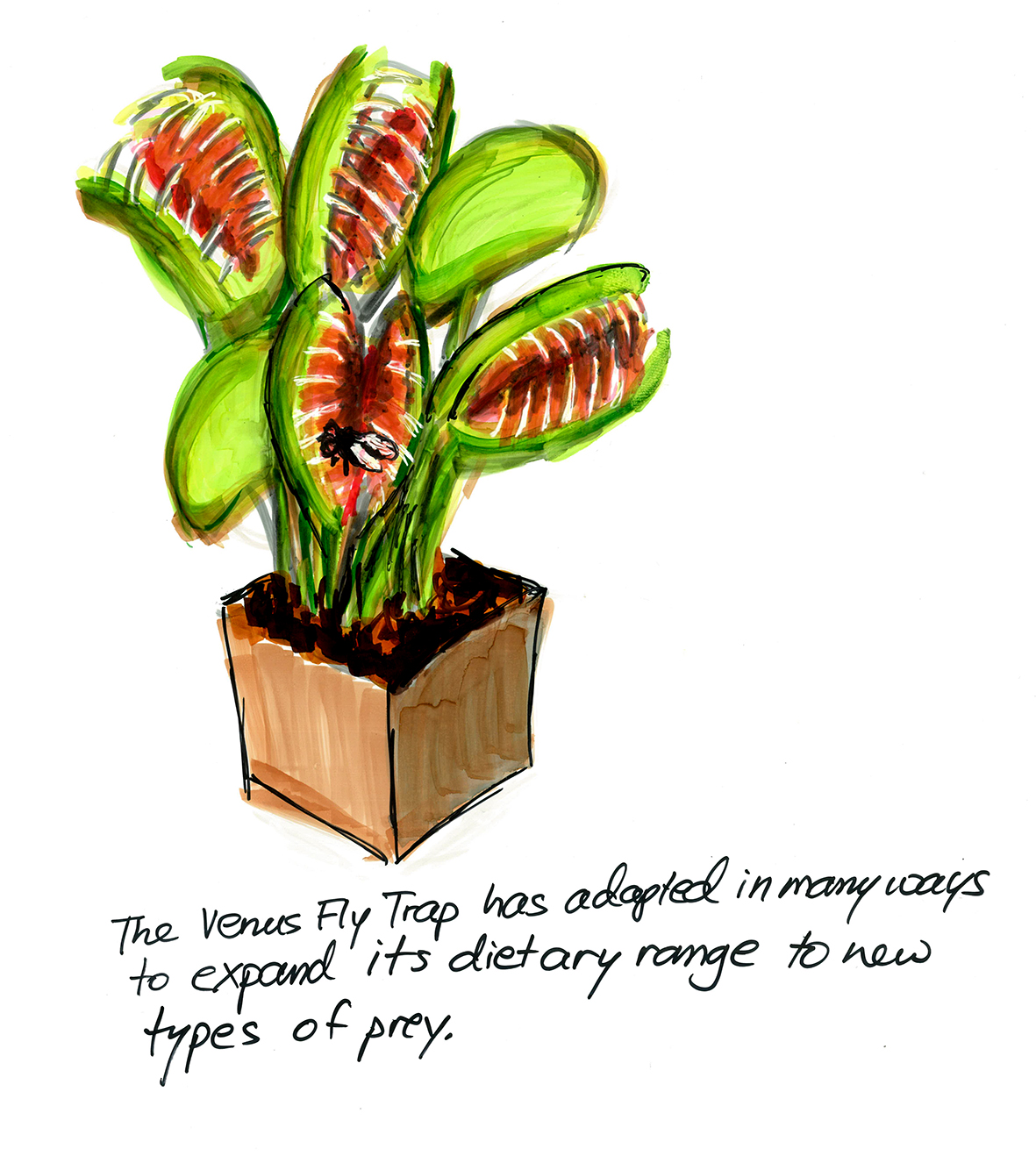
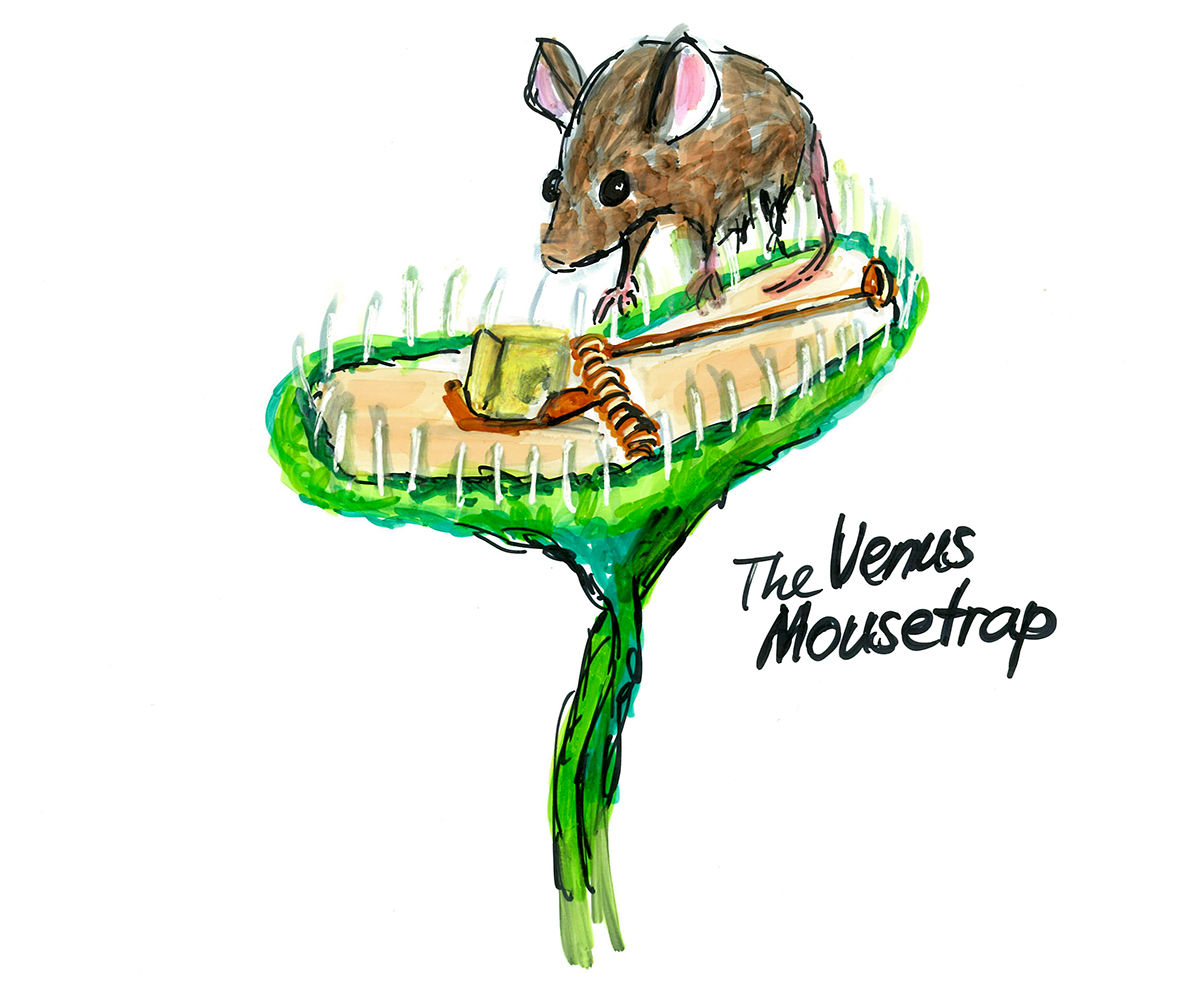
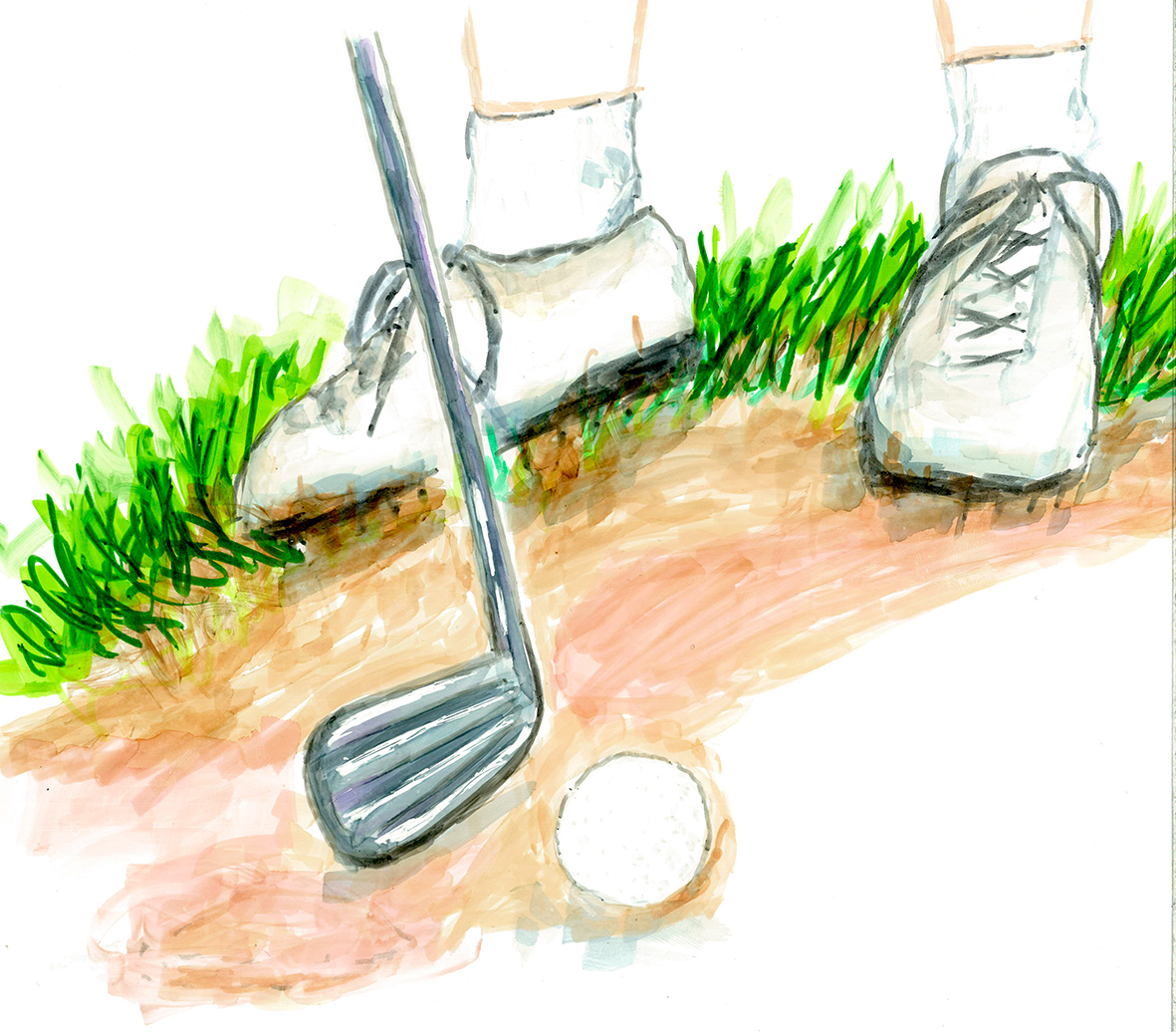
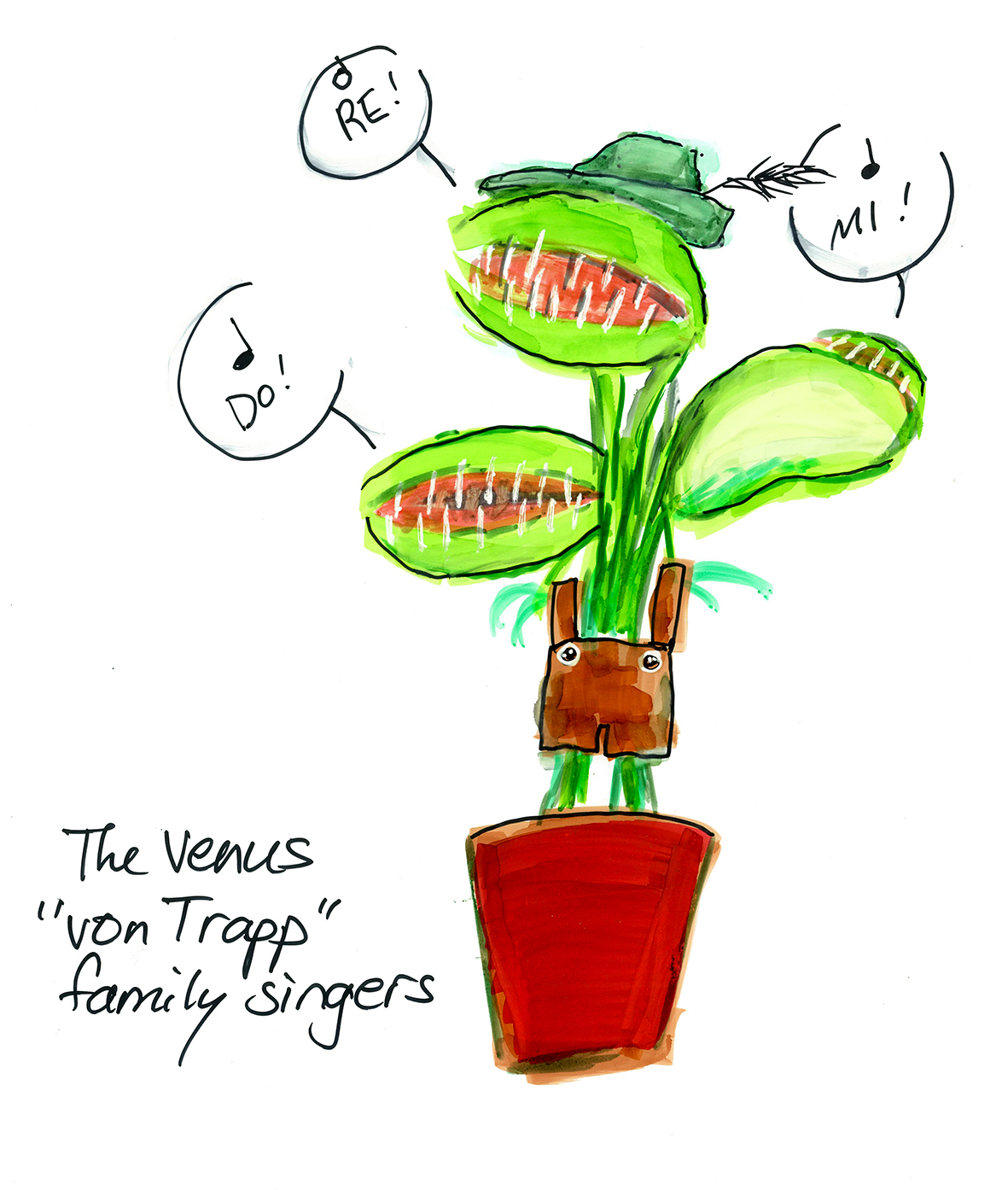
3. Bizarre forms of the Venus fly trap

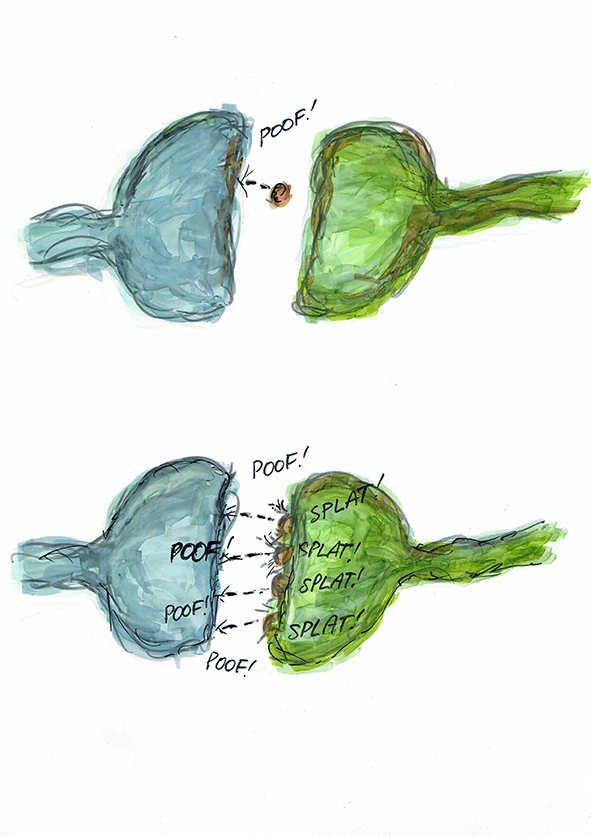
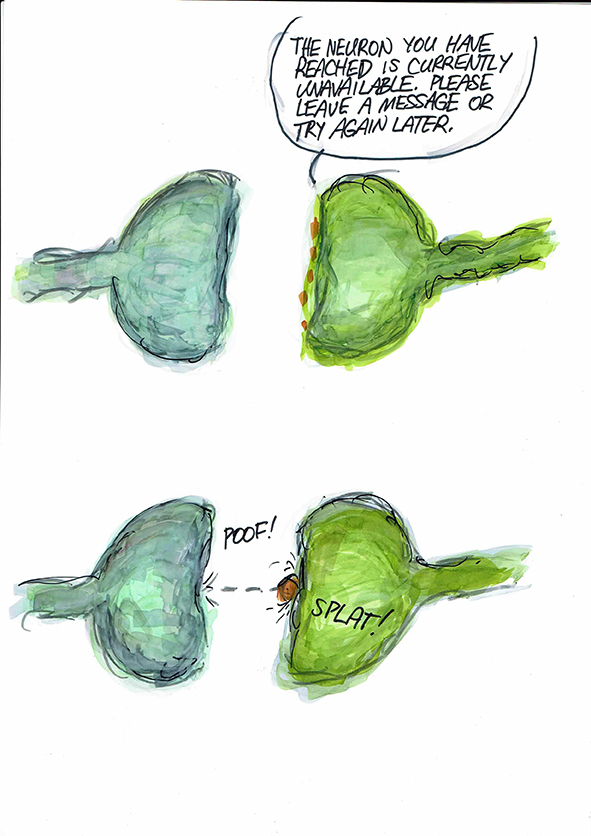
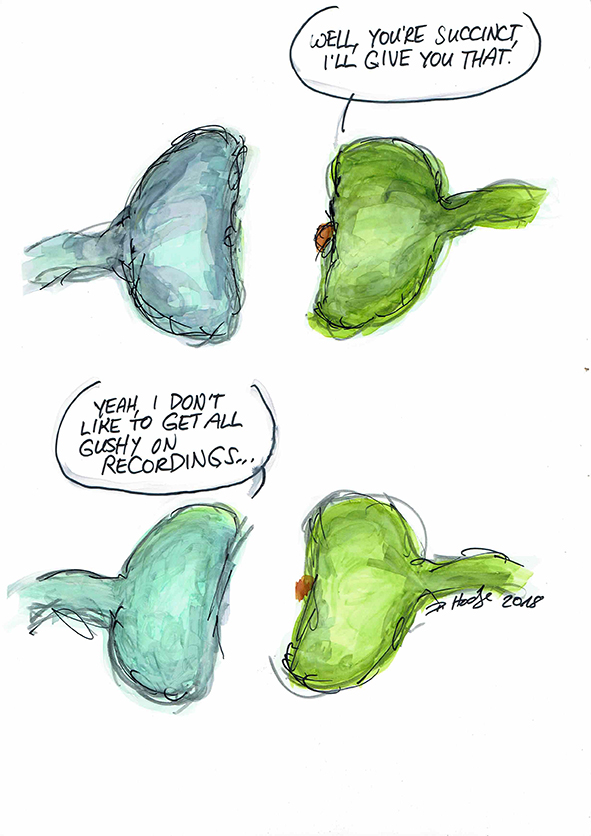
4.  More synaptic dialogues

As usual, free for use by citing copyright 2018 by Russ Hodge, www.goodsciencewriting.wordpress.com

Finally a new update to the Devil’s Dictionary !!!

Today’s entries in the Devil’s Dictionary include botoxsynthetic lethality, intelligent design, the Alien Simulation hypothesis, the Jellyfish hypothesis, and the Mars Radio hypothesis.

See the complete Devil’s Dictionary of Scientific Words and Phrases here.

3707_001

all entries in the Devil’s Dictionary copyright 2018 by Russ Hodge

Botox a toxin naturally produced by bacteria that is potentially a biological weapon of mass destruction. Although its use is strictly prohibited by international treaties, grandmothers everywhere cultivate it in their basements, in food that has been improperly preserved in Bell jars. If the apocalypse suddenly arrives, or if things get really out of hand at a family reunion, they find comfort in having a cheap, effective way of putting an entire clan out of its misery. If the worst-case scenario ever comes, they can slip it unnoticed into a meal, ensuring that everyone will die with a full belly and the taste of pie in their mouths.

Weapons of mass destruction have frequently made their way into medical practice (radiation poisoning, for example, both causes cancer and is used to cure it), and botox has become a tool in the arsenal of cosmetic surgeons. They apply it on a very local scale to eradicate the wrinkles and loose facial skin that occur in middle age. This is the point in life when a person has naturally used up his complete supply of smiles and other grimaces. The face becomes exhausted and relaxes its hold on underlying muscles. Botox tightens everything up again, usually drawing facial features to more or less the position they previously occupied. In the process skin is tightened to the point that it is difficult to smile without pulling on the ears, firmly and simultaneously, in opposing and outward directions.


Synthetic lethality  usually refers to an approach used to kill a cancer cell or some other undesirable biological entity such as a spider, or Uncle Bob’s deciduous ear hair. Synthetically lethal therapies combine two things that are harmless to their healthy counterparts but deadly to the offensive object. A spider, for example, can be handled by catching it between the floor and a rolled up newspaper applied firmly, with conviction. Newspapers and floors are normally harmless to humans, but if the spider escapes it may engage in some synthetic lethality of its own, combining teeth with venom – each of which is also fairly ineffective without the other. Overgrown ear hair can be managed with a pair of garden shears and a toilet plunger, providing the host is properly immobilized.


Intelligent design a theory which holds that the relationship between God and living species resembles that of IKEA to furniture; both, for example, are closed on Sundays. There are some differences: God (or whichever diety is currently in vogue) doesn’t put out a new catalogue each year. Some consider the theory’s name a case of false advertising, as in the case of “cheese food,” (which is neither cheese nor food) because species do not come with an Allen wrench or simple instructions for assembly.


The Alien simulation hypothesis a theory of the universe proposed on a message board by a sixth grader. From that point it spread in a viral-like pandemic that mostly infected computer nerds who live in their parents’ basement and subsist on a diet entirely hunted-and-gathered by telephone, with a nutritional value that can only be measured in BitCoins, who generally refuse any activity requiring that they interact with human beings. The movement’s most prominent adherent is Elon Musk, who explains it this way: “Forty years ago we had Pong, and nowadays our computer simulations are virtually indistinguishable from reality.” (Particularly the reality in the basement.) “In the near future they will be totally indistinguishable from reality. Therefore, there is only a one in one billion chance that we are not virtual characters in an alien computer game.” He has not published any calculations behind this figure, nor a definition of what “reality” might mean, since it is a concept invented within the game. Nor has he addressed the issue that the aliens who are playing this game are likely virtual characters in a simulation being played by an even higher-level of civilization, and so on; at that point it’s games all the way down.


The jellyfish hypothesis a theory of the universe which states that in reality, we are all jellyfish, and human life and our view of ourselves and our world is simply what the world looks like when filtered through the nervous system of a jellyfish.


The Mars radio hypothesis a theory held by at least one or two people that our bodies are robots controlled by brains that float in hydroponic tanks deep under the surface of Mars. Martians designed the robots to live on when their planet collapsed through man Martian-made climate change. They weren’t bad people Martians; they simply felt it was their religious obligation to keep reproducing and reproducing. When the planet was stacked nine-deep in Martians, they finally ran out of air. Rich Martians on top of the pile believed they were entitled to their status and fully ignored the eight layers holding them up. The high altitude provided a little more air which enabled them to outsurvive the rest of their species by seven whole minutes.

A few brains were placed in the underground tanks and Elon Musk, a Martian who escaped the catastrophe in his rocket automobile, designed the robots. They had to be fairly autonomous because it took time for transmissions to get to the brains and back. This explains, for example, blackouts that PhD students experience during their thesis defense. Sophisticated software covers the gaps and allows the robots to function when the brains go off-line. There are a few bugs, such as when a robot detects one stair too many or two few and falls flat on his face. Even so, on their own robots manage behavior such as binge shopping, listening to talk radio, and obeying authority figures who have hacked into their processors and convinced them that independent thinking is bad. At that point they do anything an authority figure says, even when it’s insane. After all, they are only robots.

The Devil’s dictionary returns!

more entries in the Devil’s Dictionary: today including biped, bioprospecting, Brownian commotion, colon, and permeable

See the complete Devil’s Dictionary of Scientific Words and Phrases here.

3707_001

all entries in the Devil’s Dictionary copyright 2018 by Russ Hodge

biped  the past tense of bipe, a technical term for biting in species are unable to pronounce it properly because they have no teeth, or in elderly humans who have forgotten to insert their dentures before appearing at the table.

bioprospecting  a process by which blood is passed through a filter in search of nuggets of gold or other precious metals. Prospecting for oil in the body is called a lube job. Natural gas can be detected without any special device, by anyone with a normal sense of smell, after it is emitted through the typical orifice.

Browning commotion  jiggly-leg syndrome at the scale of molecules.

colon  a type of punctuation found within the digestive tract, somewhere between the mouth and the exit, signifying that an efflux which has begun is not yet finished: more is yet to come. Contrast with semicolon; this refers to a region which divides the contents of the large and small intestines into functionally equivalent parts, which may be found in different physical locations depending on the load being transported at the time.

permeable  describes a type of hair that can be remolded into the shapes of clouds or classical sculptures through an application of chemical stiffeners by stylists. Compare to semipermeable and nonpermeable, which resist these efforts to varying degrees. The latter two types probably originated as mutations which have increasingly spread through the population over time, due to the difficulty of people with perms finding mates.

If you liked the Devil’s Dictionary, you’ll probably also enjoy:

Searching for Oslo: a non-hypothesis-driven approach

On the publication of “Remote sensing” by the magazine Occulto
 

The Devil’s dictionary, April 20, 2018

more entries in the Devil’s Dictionary: today including altruism, heterochrony, etc.

See the complete Devil’s Dictionary of Scientific Words and Phrases here.

3707_001

all entries in the Devil’s Dictionary copyright 2017 by Russ Hodge

age  is a short suffix that can be added to most nouns and a few other speciages of wordages if you can get them to hold still long enough to attach it. Its original usage stemmed from attaching the word “itch” to something that caused one. “I wouldn’t give you five cents for that beddage (bed-itch),” someone might say, implying that a mattress was full of lice. Other spellings were incorporated early on: “radish” comes from “red-itch,” as some who ate the vegetable developed a rash. Later British noblemen began to add “-age” to words under the mistaken impression it derived from a similar French suffix (“personne” becomes “personnage”), and that using it would suggest they spoke French, which would people think they were more intelligent, higher-class, and cooler than they actually were. They used the suffix to make simple things seem more complex and sophisticated than they actually were. A “dosage” was something a physician gave you; a “dose” was something acquired in a less respectable social setting, and the reason for your visit to the doctor in the first place. A nobleman referred to his social equals as his “peerage”, aiming to imply that they deserved respect; the unintentional irony was that more literally, you were saying he was “lousy” (full of lice). This use of “-age” to make things sound more intelligent or technical has persisted to modern times. “Usage” is often favored over “use”, although they mean the same thing. And you’d never listen to a relative go on and on about the amount he pays for gas, which is nothing more than griping and his own dumb fault for buying the car; “mileage” sounds more technical and scientific, and can start a discussion that lasts for hours.

altruism  a disputed term used by some psychologists to describe a temporary, dissociative cognitive state marked by mental confusion and unnatural behavior. The most distinctive symptom is that a person suffering from altruism places the well-being of others above his own, even when this involves risky and even self-destructive behavior. This extends to individuals beyond his or her own children in what has sometimes been described as “an overgeneralization of the mothering instinct.”

Altruism seems so contradictory to evolutionary principles that some refuse to believe it exists and try to explain every altruistic act as ultimately selfish. The problem troubled Darwin to the point that he put off publishing the theory of evolution for more than two decades, spending more than half of that time in a painstaking study of barnacles. This aquatic creature is commonly used as an animal model of human altruism because in some sub-species, males have given up their bodies altogether in service of females, now existing as little more than a sac of sperm, a sort of parasite inside the female body. Darwin finally resolved the conflict by realizing that short-term altruistic behavior might have a function like bird plumage, by attracting potential mates. It might fool someone into thinking you were “nice”, at least long enough to invite home for a few rounds of reproductive exercise. Most bouts of altruism wear off quickly, within a few hours, but the original performance might have been so impressive it could years for a mate to realize it was a temporary aberration, and the victim is normally just as selfish as everyone else.

Diagnosis is tricky and altruism can only be definitively detected through EEG recordings and a brain scan. These measurements reveal a depressed activity in areas of the brain related to basic instincts of self-preservation and higher cognitive functions, akin to the brain’s response to canniboids. The longest duration for a uninterrupted altruistic state recorded in medical history is four hours, although the patient was sedated for most of that time.

heterochrony  the inability toremember whether to set your clock ahead or back at the beginning and end of Daylight Savings’ Time, and then to draw the proper conclusion about whether you have gained or lost an hour. As for what happens at the International Date Line… Forget it. Severe cases of heterochrony are often accompanied by a conspiracy theory mentality which holds that the hour isn’t really gone you lose an hour no matter which way you turn the clock, the result of a governmental conspiracy to steal an hour from citizens twice a year, during which it has unique access to your bank account and has an hour to invest your savings in highly speculative stocks, or work the slots at an on-line casino. There is little risk because it will just add any losses to the amount due in calculating your income tax. You never notice that anything has happened because the extra hour never officially existed – they keep shuffling it back and forth across time zones – and although your money is gone, this does not appear on your bank balance. And why should it? There was never actually any physical money in the account anyway. They keep it stored in ATMs.

A woman with the condition is called a heterochrone; the male form is heterochronus, their offspring are labeled heterochromognomes. Compare with homochrony, which has nothing to do with Daylight Savings Time.

homochrony  the ability to march or clap, although not necessarily simultaneously, at a regular pace coordinated with the rhythm of any marching or clapping going on around you. Animals either do this instinctively or don’t care; in humans early training helps. The technical term for people who never acquire this skill (famous case: Ronald Reagan) is “ain’t got no rhythm.” Those who do got rhythm can refine it to the point of being able to march in formation while twirling a baton or playing a musical instrument, despite wearing a bizarre band costume that resembles the attire of the British colonial forces that occupied India.

to proportionate (verb)  an aggressive social behavior in which a person proactively volunteers to cut the pie, or the chicken, or divide the loot, in a thinly disguised move to get the most. After things have been divvied up, the distribution is said to be “proportionate” (adjective) if the portions people receive correspond to the amounts they deserve, calculated through a complex formula that takes a person’s body mass index into account and variables such as whether your spouse feels that your BMI falls into an acceptable range, whether he or she is presently at the table, and the H (holiday) factor, where the normal physiological regulators of eating are repressed. If a proportionatee disagrees with the amount he has been proportioned, he may petition a civil court, at which point he has the opportunity to present evidence that his piece of pie was too small. The court may order the plaintiff and defendant to enter a binding process to decide on “reproportionation,” to whose terms both parties must agree. If they are unable to come to terms, the case is heard again and decided by the judge.

book lice  a parasite created through genetic engineering techniques by introducing termite genes into head lice. Originally developed for their potential as a form of organic recycling, librarians got their hands on the bugs and began cultivating them in S1 laboratories in the library basement. Staff harvest the colonies for their eggs, which are spotted onto the pages of books before they are loaned out. The eggs are timed to hatch precisely one day after the date due, at which point the lice crawl out of the book and take up residence in nearby volumes on the patron’s shelf or any available textile, which is why you should never read a library book in bed and should always return it on time. The eggs are highly sensitive to changes in the environment of the book; improper handling, such as dog-earring a page, often triggers early hatching. Book lice are to library patrons what the dye packs they hide in currency are to would-be bank robbers.

host  has two distinct meanings in science. The first is a deragatory term by which unicellular organisms refer to multicellular life. For bacteria, “host” has about the connotation of a motel whose rooms have no bath, no cable service, and whose swimming pool is exactly the size of a Jeep, namely one that missed the exit ramp on the Interstate, flew over the guardrail, and plopped into the pool, where it was such a tight fit that it could no longer be extracted. A pathogen goes off on a trip for a while and takes copious notes, so that when it comes back it can compare its holiday experience with those of the neighbors. Bacteria can’t access the Internet, so they distribute their reports biochemically, sometimes at the level of genes. Over time individual human bodies are ranked in terms of comfort and the level of services they provide. Very few people are awarded a five-star rating, and when it happens the pleasure is short-lived. They become vacation hotspots that are overrun by all sorts of pathogens, inevitably killing the host, but by that time a trendier new place has usually been found.

The second usage of hostin scientific contexts is positive: as a term of respect that one scientist may bestow on another after being invited to give a talk at the colleague’s institute. “Host” is reserved for someone who covers all of your travel expenses, naturally first-class, takes the visitor to excellent restaurants, where the prices on the wine list are explicitly ignored, and puts you up in a four-room suite at a hotel with all the amenities, such as an all-night bar well stocked with attractive, lonely conversation partners. Upon request a host will assign you a bodyguard to escort you to the bar, stay discretely on hand to jump into any fights that may arise, and then get you get back to your room in one piece, unless you indicate otherwise using a secret sign agreed upon in advance, possibly but not necessarily indicating that you have managed to hook up in the bar. If the hosting scientist fails to meet any one of these criteria, you return home and insert a reference to the trip whenever possible in casual conversations, and write an exhaustive account of the visit on websites such as LinkedIn, but conspicuosly neglecting to refer to your colleague as the host. Being at least as smart as pathogens, other scientists get the idea, and will make up wild excuses to avoid having to give talks at institutes rated with four stars or below.

hatch  As a verb, hatch refers to the process by which an organism emerges from the receptacle in which it has undergone the stages of embryogenesis, whether an egg or a womb, often freeing itself by pecking an opening with its beak. So birds hatch from eggs and children hatch from the womb, unless the child is an amphibian or a reptile.

As a noun, hatch refers to a flap-like tissue that covers the throat which remains closed until it is stimulated by a liquid of high alcoholic content. This triggers a reflex by a hinge-like muscle at the back of the flap, causing it to open and permitting the alcohol to go “down the hatch”. From there it is routed to special cavities throughout the body that are dedicated to the processing of alcohol. There are several of these tubular structures, located in regions such as in the legs, where gave rise to the expression, “He has a hollow leg.” (The technical term is overflow lumen.) When alcohol enters such a lumen, it causes a sensation that the drinker reports as, “That really hit the spot.”

hindgut  a region of the intestine which lies below the hindbrain, when the body is in an upright position, and is connected to it via a large bundle of nerves that bypass the spine. This conduit permits the gut to monitor brain activity and take over some of its functions, such as communication, in an emegency. When a person is incapacitated, for example through the excessive consumption of alcohol, or decapitated entirely, the hindgut steps in and sends unequivocal signals of distress to those nearby. It has two modes of doing so – generally trying one and waiting for a response before trying the other. If neither on its own provokes other people in the bar to take caregiving measures – such as calling an Ueber driver – the hindgut activates both signaling systems simultaneously.

In type 1 signaling, the hindgut jerks swiftly upwards and delivers a focused “punch” to the stomach, which forces its contents upwards in the form of projectile vomiting. In type 2 it presses downwards, clenching the lower intestines in a vise-like grip that forces any pockets of noxious gas to seek the nearest exit, generally accompanied by a loud acoustic signal. Such noxious gases are usually plentiful because the body naturally produces them as it metabolizes fermented substances.

flocculate  the process by which a floc is produced from a microfloc. What happens before that, no one knows, but microflocs can’t just arise from nothing, so it is reasonable to infer the existence of nanoflocs. Anyone who cares about what comprises nanoflocs – there’s something wrong with you.

ooopossum  the oocyte of a possum.

If you liked the Devil’s Dictionary, you’ll probably also enjoy:

Searching for Oslo: a non-hypothesis-driven approach

On the publication of “Remote sensing” by the magazine Occulto