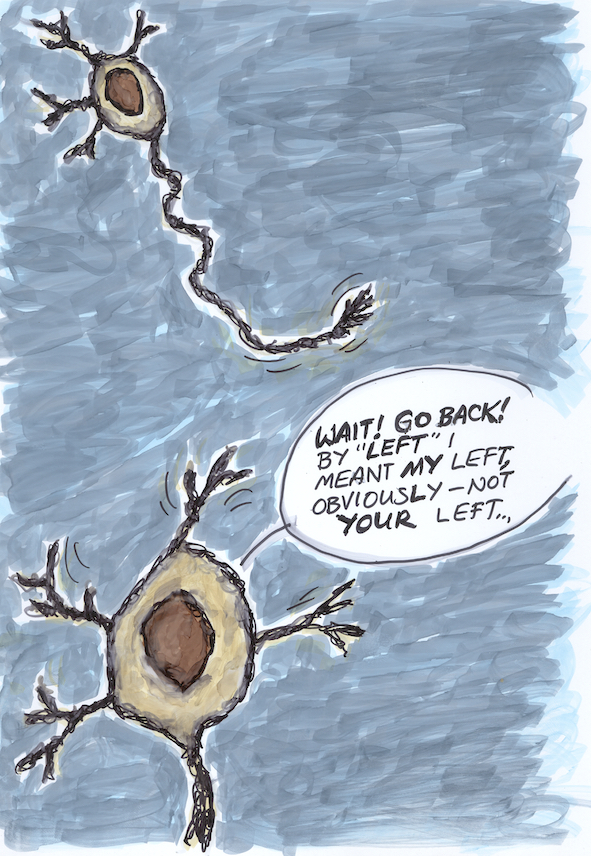
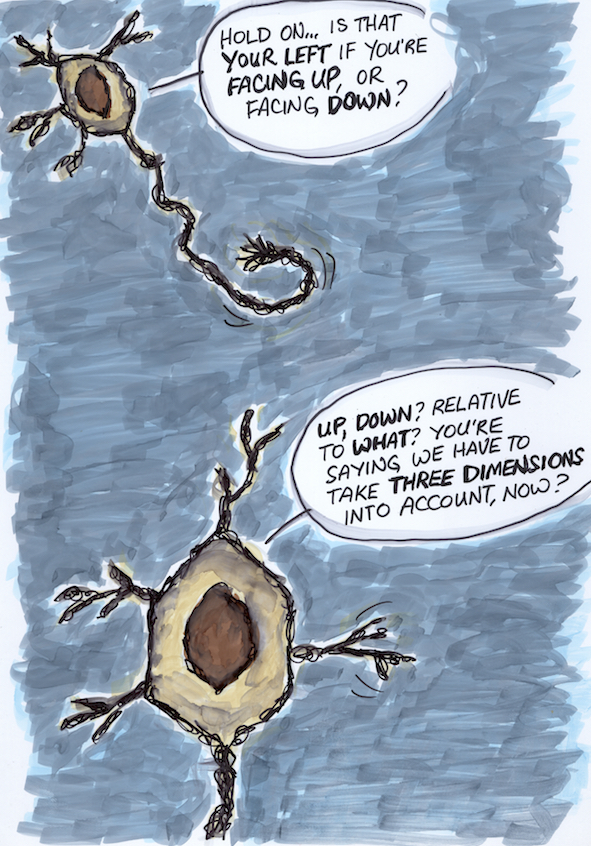
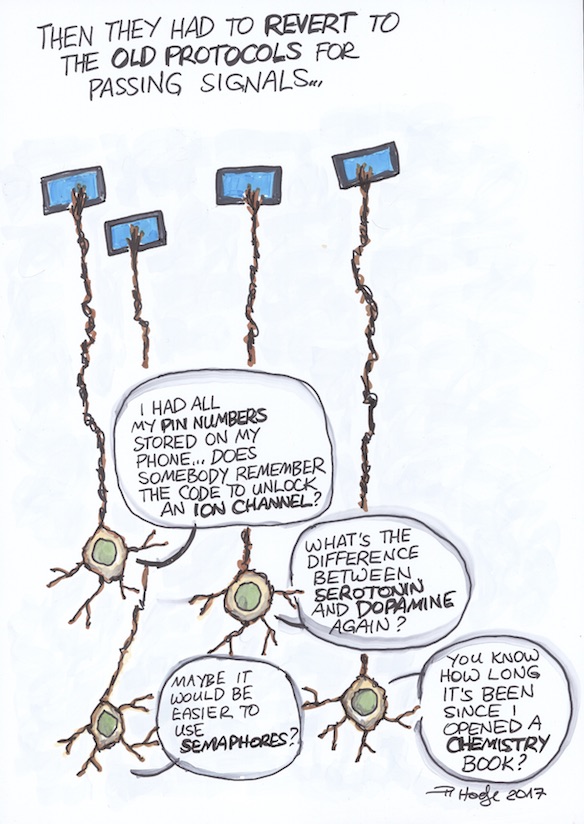
Celebrating blog post #201 with new cartoons…

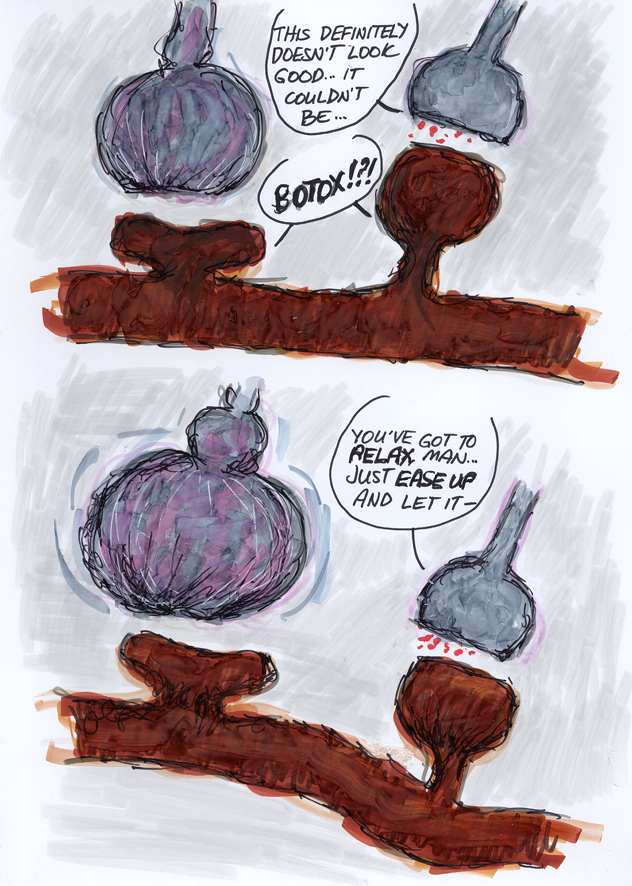
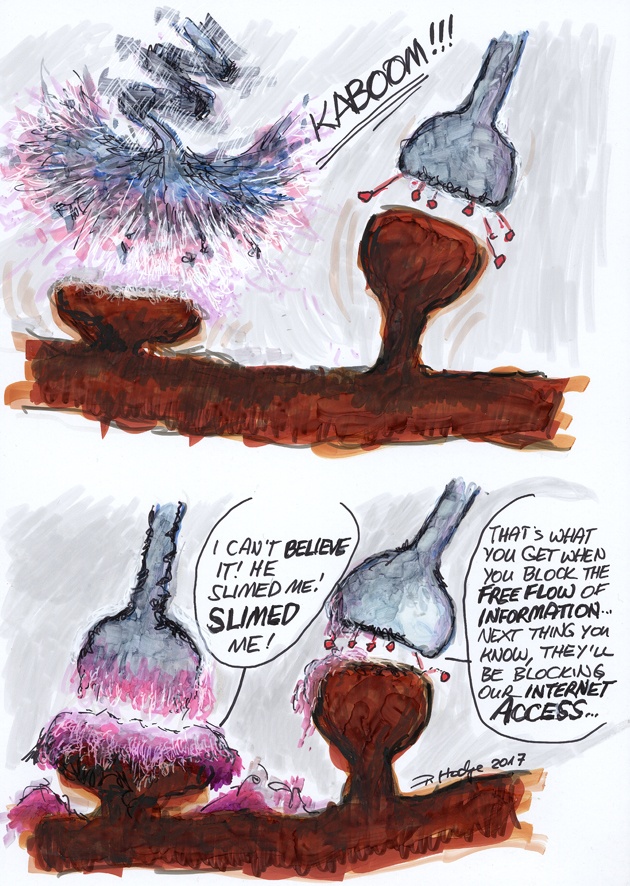
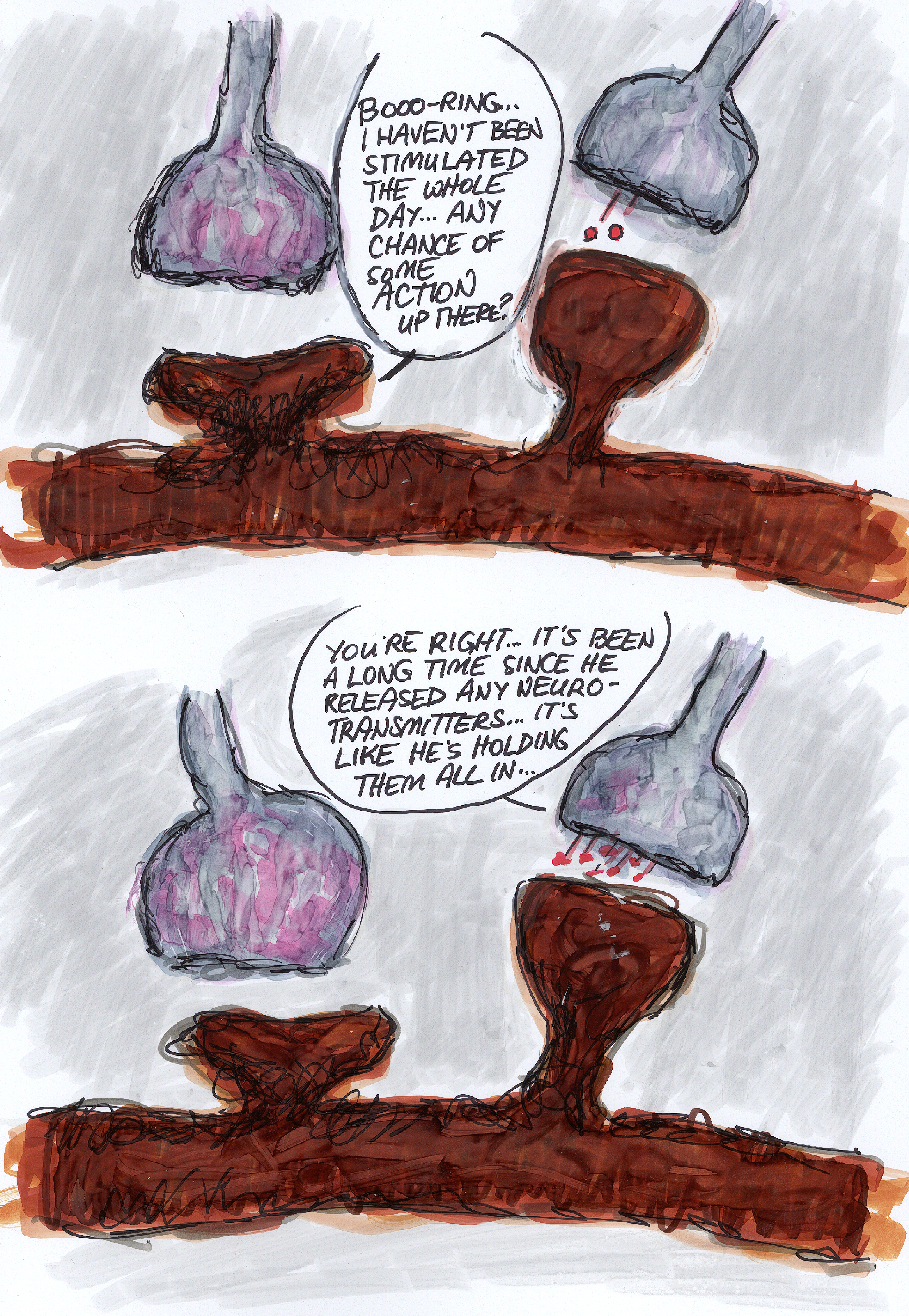
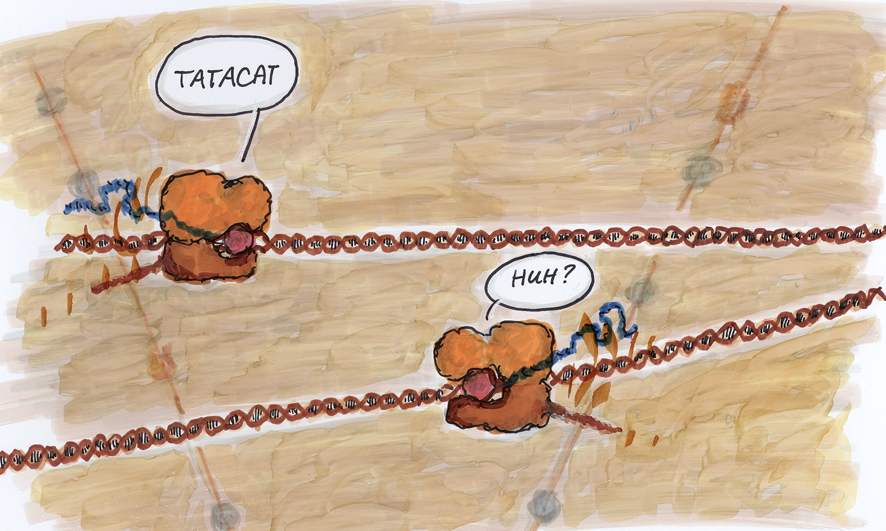
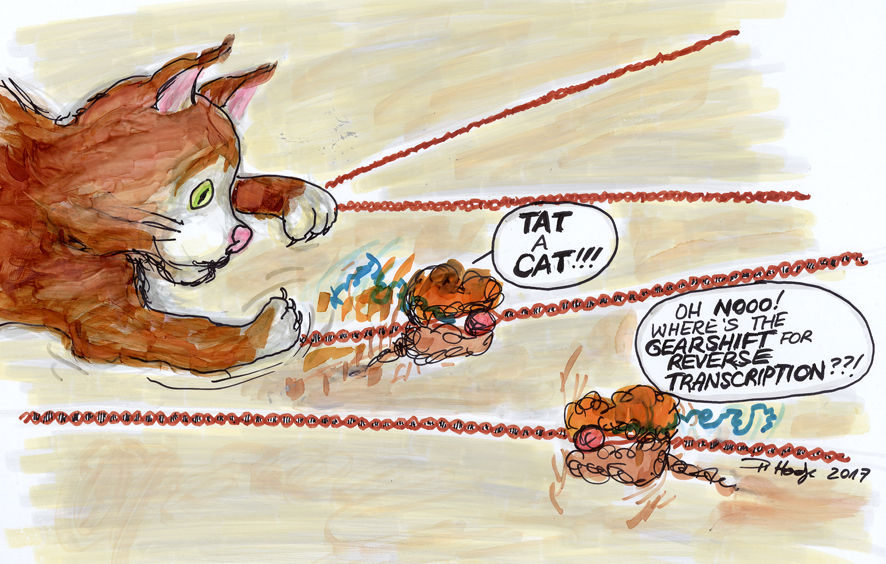
Today’s topics: the synaptic dialogues continue, transcriptional humor, and a nuclear pore or two…

If you see any biology nerds lurking around,
or know one, or accidentally hit one with a pie,
please tell them about the site!

Feel free to use any images you like,
just cite copyright 2017 by Russ Hodge,
http://www.goodsciencewriting.wordpress.com

  1. The Synaptic dialogues continue…!

  2. And a little transcriptional humor…

3.  Nuclear pores & such

Time for another new entry in the Devil’s dictionary!

Today’s words:  Richter scale, olfactory, olafantory, osmosis, and imbibe

See the complete Devil’s Dictionary of Scientific Words and Phrases here.

3707_001

all entries in the Devil’s Dictionary copyright 2017 by Russ Hodge.


Richter scale  (named after Russia pianist Stanislav Richter)  a sequence of eight specific tones somewhere near the bass end of a concert grand piano. When played in the proper order at a precise rhythm, the scale produces long, overlapping sound waves which propegate through the Earth and intersect at a point 1240.8 km from the piano. There they intersect to cause a harmonic dissonance whose frequency is complementary to a structure commonly found in fault lines, leading to seismic disturbances. The first use of the term dates from a 1958 performance by Richter in Sofia. The titles of the works he played have been lost, but at one point he ventured into the bass and applied a bit more sostenuto to a passage than was his habit. A few minutes later a series of tremors completely wiped out a distant village. Conspiracy theorists hold that Richter was a part of a Soviet experiment to weaponize the concert grand piano, but there is little evidence to support this. In 1998 mathematicians at MIT submitted a paper to the journal Nature claiming that they had solved the scale, but their results were immediately classified.

olfactory  originally derived from “Olaf’s factory,” operated by a Medieval cheesemaker from Norway, whose cheese stank so badly that Olaf and the members of his family progressively lost their sense of smell, in response to which they made the cheese even stronger. Ultimately the stench rising from the factory reached an intensity that had the effect of a physical force, creatig high-pressure atmospheric conditions that altered the weather and affected many aspects of regional ecosystems. Local species, including lots of humans and the entire native elephant population of Norway, had to adapt or flee the area to avoid symptoms such as nausea, temporary insanity, and blackouts while operating heavy machinery. There were also beneficial effects: sinus conditions be cleared up even through a very brief exposure to the smell, and people who had been pronounced dead were sometimes revived for a few days.

Whenever a westerly wind became strong enough, the smell drifted over the border into Sweden, prompting a number of retaliatory military incursions, all of which were repelled by the smell long before coming close enough to the factory to destroy it. Today the cheese is classified as a weapon of mass destruction, in a category shared by biological agents, nerve gases, and nuclear weapons, and has been banned under various international treaties.

In biology the term has paradoxically been coined to encompass all the mechanisms of smell: beginning when external molecules called olafactors force their way into the bodily cavities of an olafactee, usually after bypassing the gasket-like structures that protect the nose and mouth. Really smelly molecules such as garlic, which have a pointy prow on one side, can also enter by piercing the eyes, ears, pores and that other bodily opening I am too polite to name here. From that point they progress along tube-like passages until they reach a gas chromatograph installed in the brain. The brain, which has just as much difficulty interpreting gas chromatography data as anyone else, enters a state of disarray that it interprets as smell. Olafactors are ranked on a five-point scale: 1) pleasant, 2) tolerable, 3) bad 4) indescribably bad, and 5) fatal.

olafantory  pertaining to olafants: a hybrid made by fusing the genome of an elephant with that of an ant. After the creation of the first olafant, which was the result of a mix-up in the laboratory, scientists discovered that the structure of their chromosomes makes this fairly easy to do. So far, olafants have not been found in nature, for reasons that are not completely clear, which means they can only be produced artificially through genetic engineering techniques. This was exciting the first few times, because it was hard to predict what would grow out of your cell culture. But olafants turned out to be quite pesky creatures, and enthusiasm quickly waned to the point that it has become hard to find them, except on-line.

osmosis  does not derive from the ancient term osmo (which means “smell” or “thrust”, or both in the case of very strong smells), as has been commonly assumed. Recent philatological studies indicate that the term is actually coined from the name Mosis, a mythological figure from the time of the ancient Hebrews, an illegitimate child who, immediately after birth, for reasons that are not totally clear, was sent on a voyage downriver in a very small vessel of some sort, perhaps to serve in the capacity of a spy, but after being kidnaped along the way by a sect he succombed to one of the worst cases of Stockholm syndrome on record. Over time Mosis became brainwashed to the point that he he was elected President of the cult, winning the electoral but not the popular vote, at which point he became genuinely unhinged and unleashed seven different weapons of mass destruction on the city of his origins, including a flood that most modern historians attribute to the bombing of the Aswan dam. Where the Hebrews got the bombs is unclear – perhaps from the Chinese, or from Atlantis. There is no evidence that they were nuclear in nature.

Amosis means the opposite of osmosis and is named for Mosis’ brother Amos, whose function in the stories was as a sort of control group for his sibling, an Abbott to Mosis’ Costello. Whenever Mosis claimed that God was speaking directly to him, for example, Amos would say things like, “Are you sure it’s not just a malfunction of your parietal lobe? Have you been taking your meds?”

For centuries the term wandered around Europe on a sort of extended backpacking trip, trying to find itself, until it finally acquired its modern meaning for biology or physics. The French were the first to tame it, as part of a great influx of vocabulary that was necessary upon the arrival of the Baroque period. The original term was au mosé and was restricted to perfume, which was rediscovered in the Baroque period. Scholars knew that something like it had existed in ancient Egypt and believed, for some reason, it had been one of the seven weapons of mass destruction unleashed by Mosis, a type of chemical warfare. This interpretation might have arisen because women were using lots and lots of perfume which is understandable given the fact that no one bathed during the period between 1130 and 1730.

At the time the cloud that accompanied someone wearing perfume was wall-like and would thrust you backwards, unless you were trapped and couldn’t escape. At that point the perfume molecules would penetrate the outer layer of skin and begin an assault on individual cells. Cell membranes offered a first line of defense, but eventually a point known as the perfume pressure limit (ppl) was reached. This triggered an opening of membrane channels called schnozzoporins, which allow perfume molecules to pass through the membrane in exchange for water. At some point all the water is replaced and the system is saturated. Astoundingly, most of the body’s metabolic processes function nearly as well when supplied by perfume as with water, depending on what brand is used.

In its current meaning in physics and biology, the term osmosis refers to just the downriver portion of the Mosis story. So osmosis in a cell, for example, is any process in which an object embarks on a journey downstream, is hindered by some obstacle such as a kidnaping by bandits along the route, who are subsequently subdued in some heroic way, permitting the protagonist to reach the other side. In the case of the mythical Mosis the barrier was a social and political one, but in biology the term usually refers to a physical barrier that something needs to pass through. For example, as it is expelled from the body, urine must overcome the obstacle of air to reach its destination, through a special form of osmosis known as pissing.

liquid chronotography  any system that uses water or another liquid, such as root beer or blood, as a basis for measuring time. Methods of torture that involve a regular dripping sound, for example, are examples of liquid chronotography. Not to be confused with liquid chromatography, which means painting with water colors.

imbibe  to drink, but in a polite and refined way, without slurps, burps, or other forms of musical accompaniment. Exbibe is to move fluid in the opposite direction: to eject it from the mouth as spit, or projectile vomiting, but only if the act is hidden by a handkerchief, or cleverly concealed in some other way, and only when it is not intended as a political statement. The analogous terms for solids are ingest and exgest. There the root gest originally derives from the word gesture, whose meaning dates back to a time when cannibalism was still common and considered a sport like geocaching. At that time offering a person your hand – a gesture – was a form of greeting taken to mean, “Please take a bite.” At some point a bright cannibal realized this could be prevented by wearing a metal ring, which would break teeth before any flesh was penetrated. This is the origin of the practice of kissing the rings of popes and other royalty.


THE EVOLUTION OF PIZZA: Novel insights into the fourth domain of life

Russ Hodge1*, Pablo Mier Munoz2, and Miguel Andrade2


  1. Max Delbrück Center for Molecular Medicine of the Helmholtz Association, 13125 Berlin, Germany
  2. Faculty of Biology and Center for Computational Sciences in Mainz (CSM), Johannes Gutenberg University Mainz, 55128 Mainz, Germany

* Corresponding author: Russ Hodge, hodge@mdc-berlin.de

Conflict of interests: This project has received no funding from the pizza industry or its competitors, and there are no other conflicts of interest.


INTRODUCTION

Pizza has long held a stigma in biological research that dates back to Linneaus, who was intimately familiar with its properties as an aphrodisiac but failed to recognize it as a living organism. As a result, species of pizza found no place within his elaborate system of classification, and have consequently been entirely omitted in the clade systems developed by evolutionary biologists. Add to this the nigh impossibility of maintaining pizza in laboratories, from which it tends to spontaneously disappear through mechanisms that are poorly understood, and the result is that pizza has been forgotten in the deep freeze as the life sciences have moved forward in great strides.

The physiology of pizza makes it difficult to classify; on the one hand its structure bears striking similarities to a single cell, vastly scaled up, if you think of the crust as a membrane, and from that perspective the ingredients resemble organelles. Yet it also has properties we normally associate with highly developed multicellular organisms. One could also consider it a sort of complex ecosphere containing many subspecies. Data from an evolutionary study should show us which of these models is most appropriate, but the data will have to be new. The fact that pizzas never evolved a skeletal or exoskeletal system has led to a paucity of fossil remains which otherwise would surely have generated interest among the paleobiology community and provided insights into the descent of modern species.

The synthesis of Darwin’s theory of evolution with findings from genetics has led to modern, computational approaches that compare the features of modern organisms to reconstruct those of their common ancestors. Here we apply this basic principle of “common descent” to construct the first evolutionary tree of pizza.  We should note a potential confounding factor: Modern varieties have clearly been shaped by human domestication and selection, and a small number of mutant strains have spontaneously appeared in recent years, probably due to exposure to microwave radiation. While these factors confound the picture to some degree, the method does, in fact, permit a means of resolving questions about pizza biology that have long resisted analysis.

The resulting diagram introduces considerable clarity into the path by which current species of pizza arose from a single common ancestor, through stages that became the founders of major branches, and finally to modern forms. It permits us to hypothesize the existence of ancestral forms that have homologs in the varieties that exist today. Finally, it provides insights into fundamental biological processes that are unique to pizza, supporting a claim that these species represent a fourth domain of life which is distinct from archaea, bacteria, and eukarya, but which has clearly interacted with them in ways that have shaped its evolution.

We find evidence that pizza has managed to co-opt fundamental biological processes from the other domains of life and mix them in a way that hints at hitherto unexplored evolutionary mechanisms. Pizza appears to have snatched genes from various sources on its way to becoming an independent organism, then undergone a phase in which it became wholly dependent on human domestication, leading to a simplification of its biology. Our study suggests that the appearance of pizza in complex ecospheres containing other life forms influences them on several levels – from the neurological to the behavioral to the social, altering patterns of predation and other types of interspecies interactions.


METHODS AND RESULTS

We visited approximately 100 different Italian restaurants in a sample of no less than five European countries over a period of 4 years (extrapolated from social media statistics of the authors: FourSquareTM, GoogleTM Location History, etc.) to gather the names and ingredients present in a total of 58 different pizzas (Supp.File1). While we did not taste them all, we can attest that none are venomous and their organoleptic qualities can therefore be successfully transmitted mouth-to-mouth to the next generation of diners.

The ingredients were clustered in 9 groups according to their origin and use in cuisine (Table 1). Tomato sauce and mozzarella form their own groups, as they are not considered ingredients but inherent components of the pizza (Combet et al., 2014). The pineapple was set apart in a group by itself as an obvious aberration, due to the fact that it is universally recognized as a dysfunctional mutation that arises from a hybridization event (somewhat like the mule) and cannot produce viable offspring.

Table 1. Ingredients considered per group.

Class Ingredients
Tomato sauce Tomato sauce
Mozzarella Mozzarella
Extra sauce Cream, truffle cream
Extra cheese Gorgonzola, parmesan, ricotta cheese, fontina cheese, scamorza, stracchino, asiago
Meat / eggs Beef, salami, raw ham, ham, bacon, sausage, bresaola, egg
Fish / seafood Tuna, anchovies, seafood
Pineapple Pineapple
Condiments / herbs Pepper/green peppers, oregano, rosemary, parsley, genoese pesto, garlic, olive oil
Vegetables Artichoke, zucchini, asparagus, spinach, peas, eggplant, assorted vegetables, sliced tomato, courgette flower, onions, olives, mushrooms, rucola/rocket, potato, french fries, corn, polenta, radicchio

It is notable that not a single pizza contains more than three ingredients from the same group, which hints that this might lead to some sort of synthetic lethality, or a genetic event along the lines of the acquisition of excess chromosomes.

The pizzas were scored by counting the number of ingredients they contained per group. Exceptions are the tomato sauce and the mozzarella, which were counted as three ingredients each due to their importance in the general composition of the pizza. The data was analyzed using the R programming language and Rstudio, to cluster the pizzas based on their ingredients. The result was plotted in a clustered heatmap using the pheatmap R package (Kolde, 2015).

Tomato sauce and mozzarella are the key components in the pizza and serve as classifiers (Figure 1). Ingredients from the meat/eggs and/or vegetables groups are often used as the toppings to go together with the main components of the pizzas.

Figure 1. Clustering of the 58 types of pizzas analyzed based on their ingredient composition.

DISCUSSION

Here we present the first rigorous investigation of the origins and evolution of pizza, a form of life that has been shamefully neglected by science even as it has been shamelessly devoured by scientists. While the reasons are unclear, one cannot rule out some sort of large-scale conspiracy on the part of commercial entities. It would not be in their interest to recognize pizza as a life form; such recognition would likely trigger a cascade of intrusive regulatory measures that would curtail society’s wholly utilitarian approach to pizza’s handling and use. Ethical issues, too, have had an influence: in many societies, pizza is treated as an inanimate object, like a rock (only softer), and no consideration whatsoever is given to the possibility that it might possess some sort of limited awareness, possibly even experiencing feelings of distress or pain.

In modern times, pizza species have become entirely dependent on human cultivation, just like many plants, domesticated animals, and model organisms that are studied in laboratories. The biology of pizzas has become simplified through this dependency. Modern forms have, almost certainly, lost genes that were originally crucial to their ancestors’ survival. As a result, pizzas are no longer competent for survival in the wild. Although it should not be considered a parasite, pizza’s dependency on humans has likely sent it along an evolutionary path resembling that of pathogens and viruses.

Under normal processes of natural selection, one would expect organisms that are tastiest to their predators to be eaten more, and this would subject certain types of pizza to to intense negative selection. This would also be the case for pizza, particularly since it has no intrinsic means of locomotion that would allow it to escape from its human predators.

But domestication has reversed this trend, positively selecting for the forms that are most likely to be eaten.

Nutritional and Health Implications for Non-Pizza Species

Pizza is a fixture of worldwide ecosystems and global food chains, nourishing species as diverse as college students, police, bowling teams, and other categories of humans—and also dogs, cats, hamsters, pigs, rats, cockroaches, crocodiles, fish, etc. The decaying remains of pizza crusts that have fallen down cracks in sofas provide a rich environment for microbial life, including bacteria such as legionella, Yersinia pestis and Mycobacterium leprae, which might otherwise be in danger of extinction. In this way, pizza plays a central role in global biodiversity; one might even regard it as the glue that holds everything together. But this notion is somewhat speculative.

Technical obstacles have made it difficult to maintain pizza in laboratory cultures, creating a sort of black hole of knowledge with regards to its biology. This is alarming in light of the numerous epidemiological studies tying pizza to serious health problems including obesity, addiction, attention deficit disorders, frostbite, burnt tongues, and deaths related to placing aluminum foil in microwave ovens.

Excessive consumption retards human cognitive development, pushing adolescence far into the college years, a situation which can only be reversed by adding vegetables to the diet. Predatory consumption of pizza has led to a major reduction of human motility; delivery services have completely eliminated the hunter-gatherer activity that used to be required to obtain it.

Summary of Pizza’s Biological Features

By applying well-established methods of phylogenetic analysis to the features of pizza (namely, the ingredients found in 58 extant species) we derived the first systematic evolutionary account of its descent from an ancestral form. The results point firmly to a last common ancestor, providing insights into fundamental aspects of its biochemistry, development, and the selective forces that have shaped its evolution into diverse types. Our observations of pizza in situ suggest that its basic biology draws on unique features which are hard to reconcile with those of traditional biological models. A key finding is that the ancestral pizza exhibited very little elaboration of specialized structures. It consisted of only three tissues: dough, tomato sauce, and mozzarella. Each of these tossues exhibits a high degree of molecular complexity, while having stable biophysical properties that are crucial to maintaining the integrity of the organism over time.

 pizzaoverview

Figure 2.  Artist’s reconstruction of the last common ancestor of all current species of pizza

  1. The Pizza Lifecycle

The pizza lifecycle is marked by the three phases embryogenesis, maturation, and decline.

Entry into a phase is determined by environmental factors: embryogenesis takes place at room temperature; maturation begins when the temperature dramatically rises to about 220 degrees Celsius and usually lasts 10-12 minutes. Returning to normal room temperature introduces a brief period of homeostasis after which pizza enters the phase of decline.

Laboratory experiments have shown that pizzas which have completed embryogenesis can be preserved through cryopreservation, which induces a state of dormancy or hibernation. They can be maintained this way for a year or two without any apparent damage. The decline phase can be prolonged by a day or two through cooling, after which a brief exposure to heat is used to revive the pizza. This may cause it to repeat the last stages of maturation and then enters the decline phase, which is now accelerated.

At the beginning of the decline phase, most pizzas separate into segments in a process we have termed alternative slicing. The result is a series of cracks or furrows that extend from one side through a mid-point and end exactly opposite around the circumference. Multiple slices develop, leading to wedge-shaped units—most often an even number (between 4 and 12) of segments. It is unclear whether this process begins at the middle and radiates outwards, or starts at an edge, traverses the middle, and arrives at the other side. The mechanisms required for these two processes would necessarily be fundamentally different. Either way, a number of fascinating questions arise: As each split begins, what molecular signal does it follow to stay on course rather than veer away? What determines the total number of divisions that will occur? How does one side of the pizza “know” what is happening on the other side, so that the proportions of the slices remain equal? We are exploring these questions through the “Virtual Pizza,” which we developed for use in computer simulations.

The biological functions of these subdivisions are unclear. We hypothesize that they have been sustained through a unique sort of evolutionary mechanism that does not directly benefit the pizza itself, for example by promoting its survival, but rather by ensuring a harmonious environment around it.  A failure of the pizza to divide would cause its predators to fight over the whole. Even if only a very small fraction of these conflicts were fatal, over long periods of time this would offer a slight advantage to animals that fed off the sliced form. Since pizza now exists only as a domesticated species, its genomic features can be seen, in a way, as an extension of the gene pools around it. For whatever reasons, this leads to better chances of survival for pizza variants that promoted harmony among the other species around it. The effect appears to be bi-directional: research has shown that just the presence of a slice of pizza triggers a release of dopamine among humans.  This makes them less aggressive and more sociable. So ultimately, the integration of pizza into the human diet appears to have played some role in the development of modes of primitive social organization that became more and more elaborate until they acquired the forms familiar to us today: priesthoods, the military, and governments. And bowling alleys, and pizza parlors.
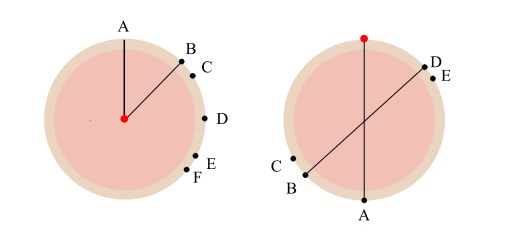
simulations

Figure 3.  The Virtual Pizza: Computer modeling of alternative slicing

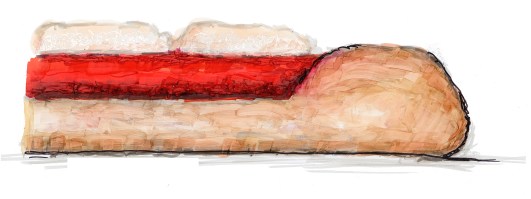
  1. Tissue Structure Through the Lifecycle

Dough begins as an elastic substance under room temperature, which is characteristic of the environment of embryogenesis; in the heating phase it becomes crisp, and remains that way as it cools, matures, and approaches death.

The sauce begins as a thick fluid which crystallizes somewhat at the pinnacle of the heating phase, remaining gummy through the first phases of cooling, then hardens until it is nearly all crystallized at the end of cooling.

Mozzarella begins as a rubbery substance, melts into a liquid under heat, and only hardens after an extended period of cooling over time.

These transformations of the three tissues do not alter the basic structural integrity of the whole, unless the pizza is subjected to unusual biomechanical forces such as it would encounter when flung through the air. An embryonic pizza would stretch and fly apart; the hardness of a mature pizza gives it the properties of a Frisbee.
pizza_quer copy

Figure 4.  Layers of pizza tissue structure (side view)

  1. Embryogenesis

The earliest stage of pizza’s embryonic development bears some similarities to Dictyostelium (“slime mold”), an organism that lies at the borderline between unicellular and multicellular life.

Dough assembles in an environment containing sufficient concentrations of the necessary chemical and biological ingredients: particles of wheat, water, sugar, and some form of oil. Such environments usually contain abundant populations of yeast cells, which get dragged along as the components are attracted to a central location, probably by sensing chemokine-like molecules that have been secreted by a cook’s hands.

Upon arrival, the components merge in a sort of symbiotic collective that draws on the genes of the wheat and yeast to trigger a series of metabolic reactions that derive energy from the sugar and oil. The result is to fuse everything into a pliant, undifferentiated mass of dough. Originally this is a ball-shaped mass with stem-cell like properties that may yield a single pizza, or be pinched off to form genetically identical twins.

The ball spreads across a surface to form a flat, circular basal membrane on which new layers will arise. The dough induces the formation of tomato sauce, rapidly followed by a layer of mozzarella. In more elaborated forms, additional organelles such as salami or anchovies arise through chemical interactions between the sauce and mozzarella. Yet the three-layered structure is retained.

This is highly reminiscent of the tissues that arise in animal gastrulation, but that process begins with a group of cells that have retained the ball-like shape, causing inner layers to interact in more complex ways. This difference is a determining factor in pizza evolution, because it leaves the lower layer attached to a substrate, while the upper remains naked and exposed to the environment. The lack of a membrane or shell means that the upper layers of a pizza must constantly contend with fluctuations in the surrounding environment.

This single difference, combined with the fact that embryonic pizza does not have a womb to protect it from dramatic changes in temperature, probably severely restricted the degree to which ancient pizzas could vary from the original design. While eventually pizzas developed specialized organelles such as salami and funghi, there was never much variation to serve as the basis for selection. So the type of evolutionary tinkering that occurred in animals, and shaped the formation of highly sophisticated organs such as the brain, never occurred in pizza.

Conclusions

Our investigation provides the first account of the evolutionary route by which modern species of pizza diverged from an ancient, ancestral form. We characterize the last common ancestor as sharing the three-layer structure of modern pizzas, which resembles the first stage of animal gastrulation. In contrast to animals, however, pizza got stuck there, and never added additional developmental stages.

It is interesting to speculate what might have happened if instead of flattening, dough had retained its original, ball-shaped form, and built layers of sauce and cheese inside. Pizza calzone, a modern species, obtains this type of structure by folding the membranous dough around to seal off the interior, but this is the very last stage in its embryonic development. If, in the distant past, this progression had advanced to the beginning of embryogenesis, pizzas might have followed an evolutionary path much more like our own. Potentially this could have made pizza, rather than humans, the preeminent form of intelligent life in the known universe.

Thinkers such as Richard Dawkins see the evolutionary value of intelligence in its promotion of the survival and reproduction of a species’ genes. Pizza found an alternative by entering into a dependency on humans, who gladly overtook measures to ensure its reproduction, which would have required the development of new social structures. Over time the dependency increased and ultimately restricted the evolution of pizza along paths toward the species we know today. But this notion is somewhat speculative.

Preliminary data suggest that it may be possible to push the knowable ancestry of pizza back even farther, to a point at which the last common ancestor diverged from other organisms such as crêpes, pancakes and burritos. We are currently digesting the data from that investigation, which has presented some technical challenges (mainly due to the fact that we have gained so much weight we no longer fit into our cars).  Once these issues have been resolved, we anticipate publishing the results at a later date,

References

“Development of a Nutritionally Balanced Pizza As a Functional Meal Designed to Meet Published Dietary Guidelines,” Emilie Combet, Amandine Jarlot, Kofi E. Aidoo, and Michael E.J. Lean, Public Health Nutrition, vol. 17, no. 11, 2014, pp. 2577-2586.

“pheatmap: Pretty Heatmaps,” R. Kolde, R package version 1.0.8, 2015. <https://CRAN.R-project.org/package=pheatmap&gt;


References

  • Combet E., Jarlot A., Aidoo KE., Lean ME. Development of a nutritionally balanced pizza as a functional meal designed to meet published dietary guidelines. Public Health Nutr. 2014 Nov;17(11):2577-86. doi: 10.1017/S1368980013002814.
  • Kolde R. (2015). pheatmap: Pretty Heatmaps. R package version 1.0.8. https://CRAN.R-project.org/package=pheatmap.

Supplementary files will be provided by the corresponding author upon request

The Devil’s dictionary rolls on…

Today’s words: optometry, locus, teleology, microbiome, gravid, gill bars, micromolar, and derivatives of the word -scope, all explained with mathematical models and all sorts of other complicated stuff.

See the complete Devil’s Dictionary of Scientific Words and Phrases here.

3707_001

all entries in the Devil’s Dictionary copyright 2017 by Russ Hodge.

optometry  a science that applies quantitative methods to the characterization of a delusional mental state called optimism.

teleology  the scientific study of 1) television sets and 2) the content they broadcast; i.e., the powerful hallucinations that occur when viewers are exposed to a television’s electromagnetic field. To avoid fatal accidents, the first type of study should only be carried out after disconnecting a television set from its source of electricity. The second should only be attempted after disconnecting the rational parts of the brain.

locus  a site in the genome occupied by a pestilential insect that prefers a diet of corn but in a pinch will eat other things, such as old shoes, slow pets, and rusty cars sitting on cement blocks in the backyard. When satiated, it retires to a tree where it sheds its outer layer, leaving a perfect but hollow replica of itself that you can place on your grandmother’s pillow, if you’re in the mood for some excitement. The plural form is loci, a word which no one knows how to pronounce, but is required when referring to a congregation of at least two locuses, until you discover that one is merely a hollow shell. (In everyday speech the plural of locus is “plague”.) Loci make frequent appearances in the Bible, usually at the moment someone thinks, “It surely can’t get any worse than this.” In one famous scene, for example, the Israelis use trained locuses to carry out a drone strike on Egypt; finding no corn, they eat a pyramid.

The Bible reports that locuses have only four legs, although any fool can see that they have six, like every other insect. Seeing six legs may be the work of Satan, however, who takes pleasure in making people believe they are seeing more legs than loci actually have. The conundrum presented by this Biblical passage remains unsolved despite the best efforts of scientists using million-dollar technology platforms, people in bars, golfers, motorcycle gangs, shoppers in WalMart, NASA, the Locus Genome Project, and the Federal Reserve of the United States of America, which is responsible for determining how much a dollar is worth. (Their reasoning is that the confusion between four and six may also arise in other situations, so no one really knows how much money is actually out there.)

Quite predictably, the nastiest, foulest discussions about locipedia take place within the theological community. At least ten Popes have been assassinated because of their stance on the issue – in fact, the true number may be higher because it is unclear whether whoever counted them used a methodology that took into account the possibility of a four-six switcheroo. Thus the true number of Papal deaths that should be attributed to locimortis may be as low as six or as high as 64. This demonstrates the need to provide a full record of protocols and computational environments in any experiment which produces more than 3 or fewer than -3 pieces of data.

microbiome  one millionth of a biome. This might be somewhat helpful if someone ever bothered to define the size of a biome, but there’s no consensus in the scientific literature. Some use the term “biome” to encompass ecosystems as vast as Antarctica, while others claim you have a whole biome living in your belly button. These two scales are so different that it is hard to see how they can be classified under a single term, but scientists learn mental contortions during their studies that permit them to do this and even stranger things.

Biomes differ not only in size, but also in composition: one of them contains penguins, for example, while the other normally does not. This breaks biomes into the two classical categories of penguin-positive and penguin-negative. Another difference is that Antarctica has almost no plants, whereas flora sometimes sprout from a belly button, through a phenomenon whose underlying mechanisms have not yet been fully characterized but have been negatively correlated to the taking of showers. Despite the lack of a rational, personalized approach to treatment, two methods are usually effective: dabbing a little weed-killer on the thing, or attacking it with a very small pair of garden shears. While the latter is a relatively minor procedure, it should only be undertaken by specialists or trained professionals, due to a risk of perforating the intestines when performing any surgical procedure on the belly button with a pair of shears. (Note that the effects of the two therapies are additive, which suggests that applying both generally leads to shorter sprouts, except in the case of a perforation, which is usually fatal to the plant after killing its host.)

gravid  an adjective used to describe someone whose body is full of eggs, either in anticipation of a pregnancy or in the aftermath of an egg-eating competition, or both. In medical practice it is important to tell the difference, usually by inserting some type of invasive probe. Another method which has performed almost as well in double-blind studies is to squeeze the person really hard. If eggs emerge from the mouth, they most likely entered during a competition. If they emerge from somewhere else, they’re probably the other type of egg, now out on the town and looking to get hooked up.

gill bars  the only regions in an aquarium where a gar can get a real drink.

micromolar  a millionth of a molar, which is a type of tooth. A micromolar happens to be the average distance that a bacterium can bore through tooth enamel in one second, as derived from the following formula:

mm1 = 1/bx (he / f * (t?)[(C – mm2) + mm3]) – DG

where mm1 represents the distance (in micromolars); b is the bacterium; x is the number of bacterium involved in drilling the same hole; h represents the hardness of the enamel, which can only be determined by solving the equation and then inverting and converting and doing whatever else is necessary to it so that he jumps over to the left of the equal sign and everything else is piled up on the right, often upside down; f is the force the bacterium is capable of applying; t is the amount of time spent actually drilling, which has to be corrected by ?, the so-called mystery variable, if t is not being measured in seconds; C is Colgate toothpaste; mm2 stands for the number of M&Ms a person has eaten in the recent past, and mm3  refers to “mom’s madness”, a quantitative measurement of the degree of physical force your mother is prepared to inflict on the anyone who fails to apply C after mm2 (note that as C – mm2 approaches zero, mm3 approaches infinity); and DG stands either for the degree of grinding that a particular molar undergoes when a person has to share the mm2 with someone of the opposite political persuasion, or Director General – I can’t remember which. Replacing the variables with true values produces mm1, which may need to be adjusted to account for the degree of freedom (otherwise known as the “fudge factor”) which means the number of times you are permitted to lie when filling in the values to solve the formula. Note that by definition, mm1 must always end up being 1; if this doesn’t happen, just change the answers for the other variables until it does. There’s a way to do this with Excel tables, but I couldn’t tell you what it was if my life depended on it. I’m having a hard enough time explaining this as it is.

The formula yields the result mm1 in terms of bacterial boring distance per second, but the result can be easily converted to minutes by multiplying mm1 by 60, into years by multiplying mm1 by 1315440, and in relation to the age of the universe up to the present date by multiplying mm1 by 1817938080000000000000000 + sn (where sn is the number of seconds that elapse between the time you read this and the moment you get around to making the calculation).

-scope  an instrument used to “check something out,” usually to determine whether it could serve as an appropriate sexual partner. The first scopes, in fact, were developed to search for genitals before scientists discovered their locations on the body. Later the suffix was attached to other types of instruments, including:

telescope  an instrument developed to look at things so far away they lie in another dimension, called teleology.

colonoscope  an instrument first developed to probe the depths of a person’s ear. Prior to its invention, no one knew the true depth of the auditory canal, so colonoscopes were made very long. With enough force the instrument could be pushed in so far that it emerged from the other end of a person. At some point scientists discovered that more information could be collected about the auditory canal by examining it from the other side, so they began inserting the colonoscope at the former exit point.

endoscope  this term was originally derived from the expression, “end o’ th’ scope,” and referred to the end that was farthest from the person in charge of the instrument, and closest to the victim. If it changed hands in the middle of a procedure, for example when the patient snatched it to end the abuse, endoscope now referred to the end held by the former patient, and the person who initiated the incident was called the endoscopee. This caused confusion in cases where two people both got their hands on the thing. If each tried to tell the other in no uncertain terms what he could do with his end of the endoscope, this produced garbled communication and often fatal results. A national committee was formed to find a solution. Eventually a consensus was reached through the creation of the new terms proximal endoscope and distal endoscope, also sometimes seen in the forms myendoscope and urendoscope, as defined by the end that was cleanest at any given time.

microscope  a type of scope that moves the eye one million times closer to whatever it is you are trying to look at. At the time of invention another theory was proposed to account for the functions of the instrument: it actually made objects one million times larger for a very brief period of time. Fortunately this is not the case, because a lot of the things you see with a microscope are disgusting enough without being made a million times larger. This early “expansion theory” of microscopy was not fully discarded until Einstein published the theory of relativity. Einstein proved that if two people with microscopes were standing on trains that were pulling away from each other at the speed of light, they would never see each other because rays emanating from the microscope’s light source would never reach the slide, unless they turned around and faced the other direction. At that point each would either see what the other person had looked like a million years in the past, or be crushed as the two trains underwent a sudden, million-fold expansion. Since neither outcome was particularly desirable, scientists discarded the theory for the one they liked better.

The microscope revolutionized science because it was so powerful it could detect things so small that they didn’t actually exist, which explained why they had been invisible to the naked eye in the first place. It also played a key role in the deanthropomorphization of science by disproving the concept of the Big Picture. Through a microscope one realizes that the Big Picture is nothing more than a lot of Smaller Pictures containing things so small they defy human cognition, unless they somehow manage to reach it by entering through an ear. Thus the Big Picture can be discarded altogether.

Understanding why this is the case can be demonstrated through a metaphor: Imagine cutting any normal puzzle into a million pieces. Now try to assemble it again. You’ll discover that this is impossible because the maximum amount of information in 1/1,000,000th of an image is an R, G, or B dot, and not even a whole one, and good luck matching that to the picture on the box. But you’ll never get that far because you’ll never find the corners. Theoretically you could, but it would take an amount of time that can be represented by the formula UP * (n)1,000,000/4!, where n = the time it takes you to locate a single corner piece that it has become so small that you have to apply the Uncertainty Principle (UP), which means that whenever you go looking for it, it probably isn’t where you think it is, and even if it were, it would be gone before you could grab it.

More technology transfer cartoons…

More from the OTTers (officers of technology transfer) today… This series is dedicated to my friends in the field, in honor of their patience as they encounter pitches that are… well, a generous way to put it would be “creative”. Often the first step in a project is to reach up and snag a basic researcher and tie him or her firmly to the ground, so they don’t end up sailing toward the stratosphere like a helium balloon. Because we know what happens to those.

For more cartoons, scroll down or select the category “Molecular biology cartoons” from the menu in the banner above. Enjoy! Pass along to your friends!


Today’s updates in the Devil’s Dictionary

See the complete Devil’s Dictionary of Scientific Words and Phrases here.

3707_001

all entries in the Devil’s Dictionary copyright 2017 by Russ Hodge.


insectivore  a person who rides a motorcycle with his or her mouth open. Contrast with omnivore and chiliconcarnevore.

angiogenesis  a process in organisms that is the biological equivalent of attaching new structures to city water and sewage services. Until this occurs, cells and tissues have to use outhouses. Angiogenesis is paid for by the rest of the organism, typically through a municipal tax hike, and often leads new organs and tissues to be shunned by the oldtimers. Compare to antiangiogenesis, which involves shutting down the services to cells that fail to pay their bills, usually after a visit by a process server.

carrying capacity  the average total number of plates, glasses, silverware and other service items that can be carried by a member of a species that has been trained to do so, without producing a carambolage or a loud crashing noise. In general, of all the members of the animal kingdom, the octopus has the highest average carrying capacity. It’s the suction cups, you know.

catabolism  a biological process akin to the natural process by which societies revert to anarchy. Catabolism takes place when complex entities become so large that its members decide it is unmanagable and ungovernable, at which point they decide to fragment into smaller parts which are equally unmanageable, but at least one knows who is responsible. The products of catabolism are eventually sucked up by whatever neighbor decides to consume them.

chorein  a situation in which a harmonious, tranquil state of homeostasis is disrupted by the entrance of a choir.

cnid  a fragment, subunit, or portion of a cnidarian, a large family of organisms that consist mostly of jello packed within thin membranes. Cnid is often produced through the interaction of cnidarians with boat propellors, but when jello is shaped through the use of a mold, into forms such as a brain or the Last Supper of Leonardo daVinci, the result is also considered a cnidarian consisting of cnid. Naturally occurring cnidarians live in aqueous environments and often have nettle-like tentacles. They sting like the dickens because they are used to inject toxins into unwitting prey or people who disturb cnidarians by splashing about in the water, although these features of cnidarians are usually omitted from jello molds. Cnid is an uncountable word, so it does not occur in the plural form. To refer to quantities a word is added that is usually measure of volume: “Give me a spoonful of that cnid,” or, “After you have molded graham crackers into a crust, pour on 3 cups of cnid and apply, if desired, a generous amount of whipped cream as a topping.” (Recipe suggested by my mom, Jo Hodge.)

germ layer  a stratum composed of bacteria, viruses, dandruff, species of lice and other noxious entities that naturally develops on any surface that you don’t wash as often as you should. Germ layers can be transferred from one organism to another, usually through bowls of peanuts placed on bars.

multiple hit hypothesis  A scientific model referring to the effects on the biology of an organism that has usually been assaulted in some violent manner by a scientist, for example by exposing it to large doses of radiation to see how many gamma rays are needed to kill it. This introduces double-stranded breaks in DNA in multiple locations, or hits. The result is coitus interruptus among cells that are pleasurably engaged in reproducing their genetic material. A sufficient dose of iodine may permit them to resume this activity; otherwise they typically produce offspring which are either highly creative forms of their parents or monstrous mutants, or both, depending on your point of view.


If you enjoy the Devil’s Dictionary you might also like:

Searching for Oslo: a non-hypothesis-driven approach

Even God’s first paper got rejected

Plus the other pieces in the categories “satire”, “science cabaret,” and “hilarious moments in science communication.” And there are, of course, many serious pieces on the site.

Feel free to pass along the link to your fellow science nerds! And, of course, quote the Devil’s Dictionary – just remember the reference! All material here is copyrighted Russ Hodge.

Massive update in the Devil’s dictionary!

See the complete Devil’s Dictionary of Scientific Words and Phrases here.

3707_001

all entries in the Devil’s dictionary are copyright 2017 by Russ Hodge.

abductor pollicis  (from the Latin) a person who goes around stealing thumbs. Not to be confused with abductor policies, which are contracts issued by health insurance companies to pay the legal fees of anyone who has been accused of organ theft.

accessoire  a technical term for anything that must be removed from the body before undergoing an examination with a magnetic resonance imaging machine. The term has been extended to refer to anything superfluous on the machine itself or anything around the lab that you want to get rid of, which is accomplished by turning on the magnet so that it will be sucked in and transported to an alternate universe.

biota  a pair of iotas (also known as smidgens) that have become fused together and pledge from that point on to pursue a strictly monogamous relationship. Biota can be dissolved by antibiotics, but only when prescribed by someone with dual degrees in medicine and theology.

basement membrane  a layer of fat molecules which anchors cells to a surface in hopes that they will not fly off during a tornado. If they can’t maintain a grip, they are advised to crawl under cars or heavy organs.

blepheronous  any regrettable event involving eyelids.

catheterization the penetration of a cheek, the soft palette, tonsils or throat by a drinking straw which was in a soft drink until the automobile accident, which was caused by a driver texting on a cell phone. At the moment the straw penetrates living tissue it becomes a catheter. In medicine the term has generalized and is now widely applied to any hollow tube inserted by force into a place in the body, either intentionally or by accident, that causes pain and an inappropriate release of fluids that belong there, or an introduction of fluids that do not. In medical practice cell phones often play some role in catheterization as well, but their involvement is not a defining criterion.

disblepheronia  a major disease diagnosed in anywhere from 14 to 1 billion people per year, whose mechanisms are poorly understood and for which there is an urgent need for the development of novel, rational, effective, global, inexpensive therapies, which hopefully don’t cause more trouble than the problem they aim to solve. A person suffering from disblepheronia loses the coordination between the blinking of the eyelids, which is often interpreted as winking in inappropriate and offensive situations.

first  in a list, the word used to introduce the item that lies between zeroth and secondly. If at a later point in time the author discovers that an item which belongs higher on the list has been omitted, the use of negative numbers is permitted: negative secondly, negative first, negative 0.5, etc.

flavonoid  secret substances invented by chemists in laboratories of the Ronald McDonald Corporation that render people addicted to fast food and trigger the onset of diabetes, or simply inflate them to the point that the only vehicle they will fit into is a Humvee, which they purchase as a means of traveling to the next fast food restaurant. Flavonoids have made hamburger joints major contributors to global warming: on one end through the vast quantities of methane produced by cows, and on the other through the fossil fuels used to transport addicts to their next fix.

founder effect  also known as the confounder effect. The behavior of the parent, creator or inventor of something (such as a child, a machine or an institute) who continues to meddle with it long after he or she has supposedly left it in the hands of successors. Should not be confused with flounder effect, which refers to schools of fish that have lost their way and just swim aimlessly around until one of them finds the exit. There is, however, a connection: founders often intervene in the activities of their creations after developing the impression that they are floundering.

gap junction  a sort of trailer hitch device on the exterior of cells which evolved to permit them to tow around recalcitrant neighbors. If the cell tries to tow a heavy partner and is unable to achieve the force and traction necessary to move it, then the rules of physics apply and the gap junction has an anchoring function. Gap junctions played a crucial role in the development of multicellular organisms because at some point a tissue achieves the critical mass that makes it inert, and it can no longer be dragged from the sofa.

gel  a product used to cultivate bacteria in a person’s hair, designed so that they can carry their work with them and don’t have to go to the lab on weekends

glossalgia  a thick formation of algae on the tongue, usually transferred there by a finger which has been licked to turn the pages of a moldy lexicon.

Magnetic resonance imaging  a tool widely used in medical diagnosis to detect whether you have swallowed something made of metal, or have a metal implant, or are holding up your pants with safety pins, or if the government has implanted a microchip in your brain, or if you are trying to smuggle a cell phone into a hospital by hiding it under your gown. The instrument is also useful for completely erasing the hard disks of computers when, for example, you wish to retract an email that you sent to colleagues without due reflection.

metacarpal  having to do with abstract, highly theoretical reflections on the nature of carp or the role of this fish in an ecosystem or the universe as a whole.

mucin  a glibberous substance produced by snails which enter the body, generally during the night, and leave trails in the lining of the nose and across other surfaces of bodily membranes. Mucin has antibacterial properties because microorganisms find it equally disgusting.

multigene family  a group of individuals related by heredity who have had so many children they are too tired to think up new names and simply end up calling everyone “Gene”. Sometimes seen in the forms multieugene or multieugenia.

multiplexing  a psychological trauma which occurs when visitors to a Cineplex are (usually inadvertently) shown multiple 3D films at the same time. This causes collisions of plots in which, for example, space ships buzz around the heads of cartoon characters until they are dismembered by chain-saw wielding psychopaths, and then the fragments are served to visitors in a diner at night, in a submarine, just before the ship is consumed by mutant zombie macrophages from Mars.

myalgia  a chronic condition in which something that happened millions of years ago (mya) continues to cause pain, generally in the muscles. Myalgia is commonly found among paleontologists who try to lift dinosaur bones after forgetting that they have become mineralized and weigh more than you’d think.

ooopossum  the oocyte of an opossum

polycarpic  any process in which several carp, a species of fish, engage in a mutual activity, such as feasting on toes that have been inserted into the water by people sitting on the bank of a river or lake.

rhinoviruses  viruses whose natural hosts are rhinoceroses, typically migrating to the highest point of the horn, where they cluster and wait for someone to grind it into powder. When eaten, this powder causes an infection and fever that are sometimes mistaken for a temporary increase in sexual potency.

smudge  a subpopulation of a microbiome that is deposited on a surface such as glass, usually by a finger or nose, where it forms an oily colony that is visible to the naked eye.

If you liked the Devil’s Dictionary, you’ll probably also enjoy:

Searching for Oslo: a non-hypothesis-driven approach

Ontogeny recapitulates sobriety: from the Archaeal origins of life to the pinnacle of evolution: a PhD


The Devil’s dictionary, Aug. 15, 2017

more entries in the Devil’s Dictionary: today including glabella, pterydactyly, etc.

See the complete Devil’s Dictionary of Scientific Words and Phrases here.

3707_001

all entries in the Devil’s Dictionary copyright 2017 by Russ Hodge

glabella  the region of a face at the top of the bridge of the nose that separates the eyebrows from each other, on the generic human face. Overall, humans can be divided into two groups: glabella positive (having two distinct eyebrows) and glabella negative (having only one). Polyglabellous refers to those with two or more glabella, and people entirely lacking eyebrows are described as hyperglabellous, unless this is the result of a disease such as glabellitis. The medical literature reports a few cases of paraglabella, in which individuals’ eyebrows have migrated to unusual places on their faces, such as below the eyes (also known as basal glabella), or arranged themselves vertically on either side of the eyes (paranthetical glabella).

directed mutagenesis  any method of artificially altering the genes of an organism that involves a musical score and a conductor in a tuxedo.

-dactyly  having to do with the fingers. The root has been enhanced to create the following terms:

polydactyly  orignally, the ability to play the piano with more than one finger. Nowadays the word is also used for touch typing or the capacity to type text messages with more than just the index finger.

brachydactyly  the ability to play the piano or type despite having very short fingers. Performers are permitted to use alternate fingerings, as well as their toes, if the work contains intervals they are unable to reach.

pterodactyly  the ability to play the piano while wearing wings, such as when a performer is wearing an angel costume. Also applies to birds that have been taught to play the piano or to send text messages, which happens more often than you think.

aquadactyly  moving splayed fingers through a liquid, such as while swimming badly, or stirring your coffee with your fingers when you haven’t been provided with a spoon.

pastadactyly  to eat or strain spaghetti without the aid of utensils, using exclusively fingers.

peridactyly  pertaining to or residing in the empty space between the fingers. Recent studies indicate that an individual’s peridactylic environment is unique and contains its own microbiome.

psychodachtyly  unconscious movements of the fingers which occur while imagining playing the piano, flute, or another instrument.

omnidactylic  any process which requires the use of all ten fingers at the same time, such as kneeding dough, washing hair, squeezing breasts, or gestures made upon being startled.

quotadactyliac  a person with the annoying habit of using the fingers to form quotation marks in the air when quoting someone or to indicate that a phrase is being used ironically.

autodactyly  activities in which the fingers have learned to perform on their own, without the involvement of the brain or consciousness. Scratching an itch, picking lice from a spouse’s hair, or texting on a cell phone are all examples of autodactylic behavior.

single nucleotide polymorphism  a case in which a letter generally found at a specific location in the genetic code (or another text) has been replaced by another letter. This can change the phenotype of the organism. In the following text, for example:

“The barn is fallin’ apart”

Replacing the letter “a” with an “e” produces the following text:

“The bern is fellin’ epert”

and changes the speaker from an American to a Scotsman.


If you liked the Devil’s Dictionary, you’ll probably also enjoy:

Searching for Oslo: a non-hypothesis-driven approach

On the publication of “Remote sensing” by the magazine Occulto


New cartoons for the end of July…

Today’s themes: Axonal pathfinding, neural transmission, and GPCRs again…

All images may be freely used; cite copyright 2017 by Russ Hodge and this website.

1

2.

3.

If you liked these, check out

https://goodsciencewriting.wordpress.com/2017/01/17/cartoons-bacteria-have-all-the-fun

and the hundreds of other cartoons on this site!