The Devil’s dictionary, Feb. 12, 2018

Today’s entries in the Devil’s Dictionary include quantifiction, argument by an algae, etc.

See the complete Devil’s Dictionary of Scientific Words and Phrases here.
3707_001

all entries in the Devil’s Dictionary copyright 2018 by Russ Hodge

quantifiction  to introduce as many fictional devices as needed into a mathematical or statistical procedure to ensure that you get the result you desire – rather than an ugly truth that would force you to give up your lovely model or, God forbid, your behavior. After a long period of incarceration, quantifiction was recently granted a Presidential pardon. It has been restored to the exalted position it held in the Official Canon of Scientific Methods until two centuries ago, and is being widely implemented by the ruling theocracy in the natural sciences, economics, environmental studies, university mathematics departments, epidemiology, taxation, and all the other fields deemed to have been corroded through the corruptive influence of reason. A number of open source tools have been developed to run under the Open Quantifiction suite, including Fudge factor, Xagerate, disCriminate, overSimplify, Nflate, Denyify, reVersify, and JustLie. See the entry for exaggerate for more.

argument by an algae  For a long time, certainly more than a century, perhaps as much as a thousand years, maybe even millions for all I know, scientists have been engaged in a fierce debate on the topic of argument by an algae. Some researchers are for. Some are against. The rest are presumably riding the fence. If you make a career in science, be prepared for the day when someone pops the question, “Do you think arguments by an algae have a place in the way scientific conclusions are reached?” Tread carefully in composing your answer. Whatever the reason for interest in this bizarre topic, people tend to get quite worked up about it. To save you a lot of time, don’t try to find an answer on PubMed. I have been looking for years and have not only been unable to find any literature on the topic, but any reasonable etymological source for the term.

Scientifically, I find it difficult to conceive of any mechanism by which an algae (or the absence of an algae, depending on whether you hoped for a positive or a negtive correlation) could validate (or invalidate) a scientific argument that happened to be going on nearby. Unless, of course, the science concerned algae in the first place. Then there might be some sense in going down to the pond, scraping up a bit of the green stuff  (or not), and popping it into your magic-angle, solid state NMR machine. Otherwise, I am at a complete loss regarding what an algae is doing in scientific theory.

X-Y graphs and associated terms  X-Y graphs, also known as Cartesian coordinate graphs, refer to a type of plot or chart that was invented far back in prehistoric times by males, as the name implies. Some evolutionary psychologists claim that this system was invented because humans were restricted to two-dimensional thought; i.e., they were able to consider two features of an object at a time, but a third was too much to handle. So, for example, they could understand that a rock was black, or that it was heavy, but not that it was both black and heavy (which would have required adding a third dimension to the chart).
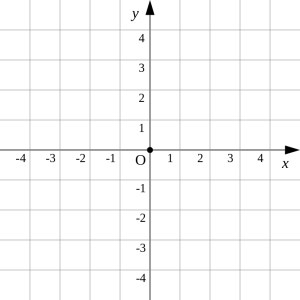
An example of an X-Y graph

Custom dictates that all data plotted onto an X-Y graph fall within a shape called a Bell curve. When this proves impossible, a number of terms have been invented to describe data that fail to adhere to the rule:

outliars (sometimes spelled outliers)  data points that should be clustered with a group but have wandered far astray, like sheep, to take up positions in very distant reaches of graphs. Their existence is an affront because they skew all of your results in an undesirable way, usually but not necessarily in the direction of the outlier. How much shift occurs depends on the number of dots properly gathered into the cluster. Even dots on paper are made of matter, which means they exert gravitational fields on each other, so if there are an awful lot of them, the outliar will tend to fall into an orbit around the cluster over time. Whether or not the orbit decays, drawing the errant point back to the fold, depends on the direction and velocity of the outliar at the time it was trapped on the paper. And whether there are other graphs lying nearby that might draw it into their gravitational fields instead.

outrightliars – outliers that are even farther away, always on the right side, providing information which simply cannot be true because it does not fit the lovely paradigm you developed; it never occurred to you to look that far away. There may be many even downrighterliars, so far away they are located on someone else’s chart.

dirtyliars – points plotted on a graph that got smudged somehow, perhaps because the dots are so small they fall prey to Heisenberg’s uncertainty principle, or they are being chased by Schrödinger’s cat, so their exact positions cannot be determined.

altimeter  a measuring stick or large ruler, always a few inches longer than a yard, that has been stored in a high place, probably to keep the dog or the children from getting their teeth or paws on it. Contrast with antimeter – a measuring stick used exclusively to measure negative numbers, which is why 0 is found to the far right and the rest of the numbers run in reverse order. (Not to be confused with antimatter, but the reverse polarity of the stick would permit it to be used to measure that as well.)

ion – a particle that is charged, usually with VISA, but MasterCard is accepted in some places; be sure to save the receipt, what with all the identity theft going on these days. Used as the stem for the following additional terms:

anion – means simply “an ion”; the space was omitted through a misprint in a textbook long ago and now people think anion means something other than one ion, but just ignore them because they’re wrong.

cation – a cat that has been loaded with a powerful charge of static electricity by rubbing it against a carpet; the longer you rub, the higher the charge, as measured by the number of scratches on your arms. Released, the cat dashes off to deliver a powerful shock to whatever person or animal it encounters next. This may result in fatalities, depending on the age and overall health of the victim, whether they are wearing a pacemaker, if they have recently undergone an examination using MRI, etc.

If you liked the Devil’s Dictionary, you’ll probably also enjoy:

Searching for Oslo: a non-hypothesis-driven approach

On the publication of “Remote sensing” by the magazine Occulto


The Devil’s dictionary, getting ready for the new year…

Stay tuned in the coming year when the Devil’s dictionary will expand to include comments on STYLE… including the secret to writing a brilliant paper even when you don’t have any results…

Today’s entries in the Devil’s Dictionary include consciousness, coconut crab, Calvin cycle, and more…

See the complete Devil’s Dictionary of Scientific Words and Phrases here.

3707_001

all entries in the Devil’s Dictionary copyright 2017 by Russ Hodge

consciousness  a mental state in which one is not only aware of sensations and events, but is aware enough of being aware of them that one finds something to complain about.

Calvin cycle  a setting that used to be included on washing machines, at the hottest end of the range of cycles, representing the steps required to cleanse a person (or his or her clothing) of all sin. Basically the water was heated at a constant rate inside the machine until it surpassed the boiling point and, with no egress, continued until God stopped it, through an explosion or another calamity, such as punching the rotating drum through the outer metal shell and usually the wall of the washroom, taking with it anything and anyone in its way, or until the owner was pronounced dead, upon which God would take care of the matter Himself. Named for the infamous French theologian John Calvin, who routinely used washing machines as instruments of torture for the same purpose, alongside public burnings and other manifestations of his faith.

coconut crab  an enormous arthropod at the Humvee end of the scale of crabs. This species used to be prevalent throughout Indonesia and other areas of the Pacific, but is nowadays experiencing a rapid decline through the incursion of other species that have dramatically reduced the availability of parking spaces. In desperation coconut crabs sometimes park in beds or sleeping bags, leading to travel advisories for voyagers to these parts of the world.

From the tip of its claws to the back end, technically known as the “butt end,” an adult coconut crab can span nearly a meter, although the claws themselves may be three or four meters long, which is hard to understand unless some type of folding is involved. In an amazing coincidence, coconut crabs have a diet consisting mainly of coconuts, so it’s a good thing their claws are powerful enough to crack the hard shells. Evolutionary biologists believed that the species discovered this capacity by accident – how could they have known that there was something edible inside a coconut? – probably as the result of a mishap that occurred during a bowling tournament. When coconuts became scarce, the crabs have also been known to eat Amelia Earhart.

chemosmosis  to strictly follow the rules of chemistry while carrying out the process of smosis, rather than performing it any which-way, which is still widely practiced although people ought to know better. Smosis is divided into endosmosis, the inward-directed form of smosis, which is considered more polite, and exosomosis, which projects the smosis outwards and is unacceptable in many civilized contexts.

glomerulus  a structure in the kidney where blood vessels come to dead ends when the developing embryo becomes too exhausted to finish linking them to each other; instead, it ties them up in a hasty knot and hides the ugly mess under a cap-like structure called the Bowman’s capsule, which is shaped exactly like a Soyuz spacecraft and is about as roomy for what has to fit inside. In essence, the glomerulus is to the blood vessel system what metal or plastic tips are to shoelaces. In contrast to these devices, which are subject to regulatory practices in the manufacturing industry, the glomerulus always leaks. This releases liquid from the blood and dumps it into the kidneys, which don’t want to deal either and simply pass it along to the bladder. There the liquid is stored until the bladder is full and has to be emptied. If this process took a little longer, the contents of the bladder would ferment and provide a source of alcohol. It is possible that in the past, this happened in animals that had much larger bladders, but this feature was removed through natural selection, as drunken animals make easier prey. If the glomerulus were entirely closed, the body’s water would be recycled. As things stand, mammals must continually take in and release water, which is incredibly inefficient, but at least it ensures that water returns to the environment so that other organisms have something to drink.

hypoteneuse  a hypothesis so completely ridiculous that to publish it is the equivalent of an act of professional suicide by hanging.

induce  the stem –duce derives from the historical title “duke” or “duce”. In ancient times this title was given to the person placed at the front of a march or parade, usually heading toward an opposing army, carrying a symbol of office that atttracted attention and enemy fire. This might be a flag, a trumpet, a baton, a trombone, one of those little cars driven by Shriners – anything that made a good target. This would discourage the opposing army from firing in the direction of the King, who like all good tyrants would show his solidarity with the folk by wearing inconspicuous clothing and mixing in with the masses. The title of Duke (in some regions pronounced dunce) was publicly heralded as a great honor, and was considered so at least by the person receiving it. In some cases plebes were invited to compete for the honor, and thus was born the expression “to duke something out.” It was awarded to the inductee in a ceremony called an induction. During the ceremony all sorts of statements were made about the exemplary character of this person, basically a tactic to shame him into acquiring one.

Once the title had been awarded the inductee was expected to demonstrate his worthiness by exhibiting exemplary aspects of character, or conduct, which meant all sorts of unusual mannerisms such as marching straight ahead when fired upon, upon which everyone was expected to follow, with the exception of the king, who generally showed respect for his subjects by allowing them to pass by toward the front. If during this process there occurred an attack from the rear, then the duke would be quickly conducted through the crowd at a rapid rate to assume his rightful position.

This notion of “start” or “begin” has been retained in modern scientific usage, taking the stem duce (in other words, using it to induce a word), and adding on whatever prefixes and suffixes come in handy for a given situation. This has advantages for lexicographers, relieving them from the burden of inventing a lot of words, which is so difficult they usually resort to stealing them from some other language instead, in violation of all sorts of intellectual property laws. In fact, how often do we really need a truly original word? In most cases an old one can be bent or warped to get you there, or at least in the general vicinity.

Thus the term induce acquires the meaning, “to cause something to start to start, or to start a cascade of events in which an unruly gang will follow.” The direction is irrelevant provided the herd all begins to move in a common direction. There lingers a connotation that under normal circumstances the flock would never do so without being motivated through the promise of a great reward, which it probably won’t live long enough to receive, or the threat of a great punishment, which it probably will live just long enough to appreciate, although barely, which occurs if it refuses to behave according to the wishes of a totalitarian dictator or scientist, whichever happens to be in charge of the situation at hand. If the inductee tries to hide within a crowd, he first has to be deduced from it, which means detected against a noisy background. Then he can be pushed forward, or produced. If force is required to keep him in that position, one can always resort to tape to keep him there – to duct him. A person can be stripped of the honors, or unduced, and if later he is called to serve again in the position, this reduces him. If that should happen but cannot be accomplished, for example because the duke who has replaced him hasn’t died yet, then the duke remains unreduced while he waits, a period which generally never lasts too long.

polyploid  derived from combining the terms polyp – an ugly protrusion from a surface which ought to be smooth – and loid, which is a strip of metal used to open a car or some other enclosed space that the user of the loid can be arrested for entering. Thus a polyploid is a device to slice open polyps, or separate them from a surface to which they have become attached. This should restore the surface to more or less its original condition, although you may have to apply a new coat of varnish to hide the scratches made while inserting the polyploid under the polyp to pry it up.

reflex  the best way to understand a reflex is by using a diagram of the human body, ideally a diagram of your own. If you don’t have such a diagram yet, briefly go outside. Find a relatively empty, flat surface somewhere on the ground, such as the middle of the road. Briefly lie down on that spot, facing upwards, which should place your back to the ground; if not, repeat the procedure until this is the case. Be sure to smile. Then get up, go inside, log onto Google Earth, and zoom in on your coordinates until you see your image. Print this out and cut carefully along the outline until you have your personal diagram.

Now we are ready to approach the topic of reflexes. A reflex is a process that takes place in one specific part of the body whenever a stimulation is applied to another part, whether or not you want it to – because reflexive circuits entirely bypass the brain. For example, hitting your kneecap with a hammer will cause you to kick the person who has struck you, unless the blow is so strong that it shatters the kneecap entirely – you may need to try several times, raising and lowering the force, until the stimulus has reached the appropriate strength. Hitting your thumb with a hammer, on the other hand, will cause the mouth to open and utter signals of distress. A blow directly to the head will cause the knees to buckle and drop you to the ground. Try this across the entire body until you have mapped all the reflexes stimulated by hammer blows. Then measure the effects of other types of stimuli. Stimulating the ears with the sound of a bell will trigger salivation in the mouth, for example. A stimulation of the ears through the entry of a bee or wasp, on the other hand, will cause you to run around and flap your arms, as if trying to fly away. All of these are reflexes.

sessile colonial cnidarian  a quantity of cnid – a jelly-like mass, shaped into a coherent form using a device such as a jello mold – which has colonized a place where it does not naturally occur, such as a sofa, and thereafter resists all efforts to remove it, citing the timeless justification given by all colonialists: that it is simply exercising its natural right of eminent domain.


If you enjoyed the Devil’s Dictionary, you might also like the following:

Searching for Oslo: a non-hypothesis-driven approach

On the publication of “Remote sensing” by the magazine Occulto

and other entries in the category Satire.

Time for another new entry in the Devil’s dictionary!

Today’s words:  Richter scale, olfactory, olafantory, osmosis, and imbibe

See the complete Devil’s Dictionary of Scientific Words and Phrases here.

3707_001

all entries in the Devil’s Dictionary copyright 2017 by Russ Hodge.


Richter scale  (named after Russia pianist Stanislav Richter)  a sequence of eight specific tones somewhere near the bass end of a concert grand piano. When played in the proper order at a precise rhythm, the scale produces long, overlapping sound waves which propegate through the Earth and intersect at a point 1240.8 km from the piano. There they intersect to cause a harmonic dissonance whose frequency is complementary to a structure commonly found in fault lines, leading to seismic disturbances. The first use of the term dates from a 1958 performance by Richter in Sofia. The titles of the works he played have been lost, but at one point he ventured into the bass and applied a bit more sostenuto to a passage than was his habit. A few minutes later a series of tremors completely wiped out a distant village. Conspiracy theorists hold that Richter was a part of a Soviet experiment to weaponize the concert grand piano, but there is little evidence to support this. In 1998 mathematicians at MIT submitted a paper to the journal Nature claiming that they had solved the scale, but their results were immediately classified.

olfactory  originally derived from “Olaf’s factory,” operated by a Medieval cheesemaker from Norway, whose cheese stank so badly that Olaf and the members of his family progressively lost their sense of smell, in response to which they made the cheese even stronger. Ultimately the stench rising from the factory reached an intensity that had the effect of a physical force, creatig high-pressure atmospheric conditions that altered the weather and affected many aspects of regional ecosystems. Local species, including lots of humans and the entire native elephant population of Norway, had to adapt or flee the area to avoid symptoms such as nausea, temporary insanity, and blackouts while operating heavy machinery. There were also beneficial effects: sinus conditions be cleared up even through a very brief exposure to the smell, and people who had been pronounced dead were sometimes revived for a few days.

Whenever a westerly wind became strong enough, the smell drifted over the border into Sweden, prompting a number of retaliatory military incursions, all of which were repelled by the smell long before coming close enough to the factory to destroy it. Today the cheese is classified as a weapon of mass destruction, in a category shared by biological agents, nerve gases, and nuclear weapons, and has been banned under various international treaties.

In biology the term has paradoxically been coined to encompass all the mechanisms of smell: beginning when external molecules called olafactors force their way into the bodily cavities of an olafactee, usually after bypassing the gasket-like structures that protect the nose and mouth. Really smelly molecules such as garlic, which have a pointy prow on one side, can also enter by piercing the eyes, ears, pores and that other bodily opening I am too polite to name here. From that point they progress along tube-like passages until they reach a gas chromatograph installed in the brain. The brain, which has just as much difficulty interpreting gas chromatography data as anyone else, enters a state of disarray that it interprets as smell. Olafactors are ranked on a five-point scale: 1) pleasant, 2) tolerable, 3) bad 4) indescribably bad, and 5) fatal.

olafantory  pertaining to olafants: a hybrid made by fusing the genome of an elephant with that of an ant. After the creation of the first olafant, which was the result of a mix-up in the laboratory, scientists discovered that the structure of their chromosomes makes this fairly easy to do. So far, olafants have not been found in nature, for reasons that are not completely clear, which means they can only be produced artificially through genetic engineering techniques. This was exciting the first few times, because it was hard to predict what would grow out of your cell culture. But olafants turned out to be quite pesky creatures, and enthusiasm quickly waned to the point that it has become hard to find them, except on-line.

osmosis  does not derive from the ancient term osmo (which means “smell” or “thrust”, or both in the case of very strong smells), as has been commonly assumed. Recent philatological studies indicate that the term is actually coined from the name Mosis, a mythological figure from the time of the ancient Hebrews, an illegitimate child who, immediately after birth, for reasons that are not totally clear, was sent on a voyage downriver in a very small vessel of some sort, perhaps to serve in the capacity of a spy, but after being kidnaped along the way by a sect he succombed to one of the worst cases of Stockholm syndrome on record. Over time Mosis became brainwashed to the point that he he was elected President of the cult, winning the electoral but not the popular vote, at which point he became genuinely unhinged and unleashed seven different weapons of mass destruction on the city of his origins, including a flood that most modern historians attribute to the bombing of the Aswan dam. Where the Hebrews got the bombs is unclear – perhaps from the Chinese, or from Atlantis. There is no evidence that they were nuclear in nature.

Amosis means the opposite of osmosis and is named for Mosis’ brother Amos, whose function in the stories was as a sort of control group for his sibling, an Abbott to Mosis’ Costello. Whenever Mosis claimed that God was speaking directly to him, for example, Amos would say things like, “Are you sure it’s not just a malfunction of your parietal lobe? Have you been taking your meds?”

For centuries the term wandered around Europe on a sort of extended backpacking trip, trying to find itself, until it finally acquired its modern meaning for biology or physics. The French were the first to tame it, as part of a great influx of vocabulary that was necessary upon the arrival of the Baroque period. The original term was au mosé and was restricted to perfume, which was rediscovered in the Baroque period. Scholars knew that something like it had existed in ancient Egypt and believed, for some reason, it had been one of the seven weapons of mass destruction unleashed by Mosis, a type of chemical warfare. This interpretation might have arisen because women were using lots and lots of perfume which is understandable given the fact that no one bathed during the period between 1130 and 1730.

At the time the cloud that accompanied someone wearing perfume was wall-like and would thrust you backwards, unless you were trapped and couldn’t escape. At that point the perfume molecules would penetrate the outer layer of skin and begin an assault on individual cells. Cell membranes offered a first line of defense, but eventually a point known as the perfume pressure limit (ppl) was reached. This triggered an opening of membrane channels called schnozzoporins, which allow perfume molecules to pass through the membrane in exchange for water. At some point all the water is replaced and the system is saturated. Astoundingly, most of the body’s metabolic processes function nearly as well when supplied by perfume as with water, depending on what brand is used.

In its current meaning in physics and biology, the term osmosis refers to just the downriver portion of the Mosis story. So osmosis in a cell, for example, is any process in which an object embarks on a journey downstream, is hindered by some obstacle such as a kidnaping by bandits along the route, who are subsequently subdued in some heroic way, permitting the protagonist to reach the other side. In the case of the mythical Mosis the barrier was a social and political one, but in biology the term usually refers to a physical barrier that something needs to pass through. For example, as it is expelled from the body, urine must overcome the obstacle of air to reach its destination, through a special form of osmosis known as pissing.

liquid chronotography  any system that uses water or another liquid, such as root beer or blood, as a basis for measuring time. Methods of torture that involve a regular dripping sound, for example, are examples of liquid chronotography. Not to be confused with liquid chromatography, which means painting with water colors.

imbibe  to drink, but in a polite and refined way, without slurps, burps, or other forms of musical accompaniment. Exbibe is to move fluid in the opposite direction: to eject it from the mouth as spit, or projectile vomiting, but only if the act is hidden by a handkerchief, or cleverly concealed in some other way, and only when it is not intended as a political statement. The analogous terms for solids are ingest and exgest. There the root gest originally derives from the word gesture, whose meaning dates back to a time when cannibalism was still common and considered a sport like geocaching. At that time offering a person your hand – a gesture – was a form of greeting taken to mean, “Please take a bite.” At some point a bright cannibal realized this could be prevented by wearing a metal ring, which would break teeth before any flesh was penetrated. This is the origin of the practice of kissing the rings of popes and other royalty.


The Devil’s dictionary rolls on…

Today’s words: optometry, locus, teleology, microbiome, gravid, gill bars, micromolar, and derivatives of the word -scope, all explained with mathematical models and all sorts of other complicated stuff.

See the complete Devil’s Dictionary of Scientific Words and Phrases here.

3707_001

all entries in the Devil’s Dictionary copyright 2017 by Russ Hodge.

optometry  a science that applies quantitative methods to the characterization of a delusional mental state called optimism.

teleology  the scientific study of 1) television sets and 2) the content they broadcast; i.e., the powerful hallucinations that occur when viewers are exposed to a television’s electromagnetic field. To avoid fatal accidents, the first type of study should only be carried out after disconnecting a television set from its source of electricity. The second should only be attempted after disconnecting the rational parts of the brain.

locus  a site in the genome occupied by a pestilential insect that prefers a diet of corn but in a pinch will eat other things, such as old shoes, slow pets, and rusty cars sitting on cement blocks in the backyard. When satiated, it retires to a tree where it sheds its outer layer, leaving a perfect but hollow replica of itself that you can place on your grandmother’s pillow, if you’re in the mood for some excitement. The plural form is loci, a word which no one knows how to pronounce, but is required when referring to a congregation of at least two locuses, until you discover that one is merely a hollow shell. (In everyday speech the plural of locus is “plague”.) Loci make frequent appearances in the Bible, usually at the moment someone thinks, “It surely can’t get any worse than this.” In one famous scene, for example, the Israelis use trained locuses to carry out a drone strike on Egypt; finding no corn, they eat a pyramid.

The Bible reports that locuses have only four legs, although any fool can see that they have six, like every other insect. Seeing six legs may be the work of Satan, however, who takes pleasure in making people believe they are seeing more legs than loci actually have. The conundrum presented by this Biblical passage remains unsolved despite the best efforts of scientists using million-dollar technology platforms, people in bars, golfers, motorcycle gangs, shoppers in WalMart, NASA, the Locus Genome Project, and the Federal Reserve of the United States of America, which is responsible for determining how much a dollar is worth. (Their reasoning is that the confusion between four and six may also arise in other situations, so no one really knows how much money is actually out there.)

Quite predictably, the nastiest, foulest discussions about locipedia take place within the theological community. At least ten Popes have been assassinated because of their stance on the issue – in fact, the true number may be higher because it is unclear whether whoever counted them used a methodology that took into account the possibility of a four-six switcheroo. Thus the true number of Papal deaths that should be attributed to locimortis may be as low as six or as high as 64. This demonstrates the need to provide a full record of protocols and computational environments in any experiment which produces more than 3 or fewer than -3 pieces of data.

microbiome  one millionth of a biome. This might be somewhat helpful if someone ever bothered to define the size of a biome, but there’s no consensus in the scientific literature. Some use the term “biome” to encompass ecosystems as vast as Antarctica, while others claim you have a whole biome living in your belly button. These two scales are so different that it is hard to see how they can be classified under a single term, but scientists learn mental contortions during their studies that permit them to do this and even stranger things.

Biomes differ not only in size, but also in composition: one of them contains penguins, for example, while the other normally does not. This breaks biomes into the two classical categories of penguin-positive and penguin-negative. Another difference is that Antarctica has almost no plants, whereas flora sometimes sprout from a belly button, through a phenomenon whose underlying mechanisms have not yet been fully characterized but have been negatively correlated to the taking of showers. Despite the lack of a rational, personalized approach to treatment, two methods are usually effective: dabbing a little weed-killer on the thing, or attacking it with a very small pair of garden shears. While the latter is a relatively minor procedure, it should only be undertaken by specialists or trained professionals, due to a risk of perforating the intestines when performing any surgical procedure on the belly button with a pair of shears. (Note that the effects of the two therapies are additive, which suggests that applying both generally leads to shorter sprouts, except in the case of a perforation, which is usually fatal to the plant after killing its host.)

gravid  an adjective used to describe someone whose body is full of eggs, either in anticipation of a pregnancy or in the aftermath of an egg-eating competition, or both. In medical practice it is important to tell the difference, usually by inserting some type of invasive probe. Another method which has performed almost as well in double-blind studies is to squeeze the person really hard. If eggs emerge from the mouth, they most likely entered during a competition. If they emerge from somewhere else, they’re probably the other type of egg, now out on the town and looking to get hooked up.

gill bars  the only regions in an aquarium where a gar can get a real drink.

micromolar  a millionth of a molar, which is a type of tooth. A micromolar happens to be the average distance that a bacterium can bore through tooth enamel in one second, as derived from the following formula:

mm1 = 1/bx (he / f * (t?)[(C – mm2) + mm3]) – DG

where mm1 represents the distance (in micromolars); b is the bacterium; x is the number of bacterium involved in drilling the same hole; h represents the hardness of the enamel, which can only be determined by solving the equation and then inverting and converting and doing whatever else is necessary to it so that he jumps over to the left of the equal sign and everything else is piled up on the right, often upside down; f is the force the bacterium is capable of applying; t is the amount of time spent actually drilling, which has to be corrected by ?, the so-called mystery variable, if t is not being measured in seconds; C is Colgate toothpaste; mm2 stands for the number of M&Ms a person has eaten in the recent past, and mm3  refers to “mom’s madness”, a quantitative measurement of the degree of physical force your mother is prepared to inflict on the anyone who fails to apply C after mm2 (note that as C – mm2 approaches zero, mm3 approaches infinity); and DG stands either for the degree of grinding that a particular molar undergoes when a person has to share the mm2 with someone of the opposite political persuasion, or Director General – I can’t remember which. Replacing the variables with true values produces mm1, which may need to be adjusted to account for the degree of freedom (otherwise known as the “fudge factor”) which means the number of times you are permitted to lie when filling in the values to solve the formula. Note that by definition, mm1 must always end up being 1; if this doesn’t happen, just change the answers for the other variables until it does. There’s a way to do this with Excel tables, but I couldn’t tell you what it was if my life depended on it. I’m having a hard enough time explaining this as it is.

The formula yields the result mm1 in terms of bacterial boring distance per second, but the result can be easily converted to minutes by multiplying mm1 by 60, into years by multiplying mm1 by 1315440, and in relation to the age of the universe up to the present date by multiplying mm1 by 1817938080000000000000000 + sn (where sn is the number of seconds that elapse between the time you read this and the moment you get around to making the calculation).

-scope  an instrument used to “check something out,” usually to determine whether it could serve as an appropriate sexual partner. The first scopes, in fact, were developed to search for genitals before scientists discovered their locations on the body. Later the suffix was attached to other types of instruments, including:

telescope  an instrument developed to look at things so far away they lie in another dimension, called teleology.

colonoscope  an instrument first developed to probe the depths of a person’s ear. Prior to its invention, no one knew the true depth of the auditory canal, so colonoscopes were made very long. With enough force the instrument could be pushed in so far that it emerged from the other end of a person. At some point scientists discovered that more information could be collected about the auditory canal by examining it from the other side, so they began inserting the colonoscope at the former exit point.

endoscope  this term was originally derived from the expression, “end o’ th’ scope,” and referred to the end that was farthest from the person in charge of the instrument, and closest to the victim. If it changed hands in the middle of a procedure, for example when the patient snatched it to end the abuse, endoscope now referred to the end held by the former patient, and the person who initiated the incident was called the endoscopee. This caused confusion in cases where two people both got their hands on the thing. If each tried to tell the other in no uncertain terms what he could do with his end of the endoscope, this produced garbled communication and often fatal results. A national committee was formed to find a solution. Eventually a consensus was reached through the creation of the new terms proximal endoscope and distal endoscope, also sometimes seen in the forms myendoscope and urendoscope, as defined by the end that was cleanest at any given time.

microscope  a type of scope that moves the eye one million times closer to whatever it is you are trying to look at. At the time of invention another theory was proposed to account for the functions of the instrument: it actually made objects one million times larger for a very brief period of time. Fortunately this is not the case, because a lot of the things you see with a microscope are disgusting enough without being made a million times larger. This early “expansion theory” of microscopy was not fully discarded until Einstein published the theory of relativity. Einstein proved that if two people with microscopes were standing on trains that were pulling away from each other at the speed of light, they would never see each other because rays emanating from the microscope’s light source would never reach the slide, unless they turned around and faced the other direction. At that point each would either see what the other person had looked like a million years in the past, or be crushed as the two trains underwent a sudden, million-fold expansion. Since neither outcome was particularly desirable, scientists discarded the theory for the one they liked better.

The microscope revolutionized science because it was so powerful it could detect things so small that they didn’t actually exist, which explained why they had been invisible to the naked eye in the first place. It also played a key role in the deanthropomorphization of science by disproving the concept of the Big Picture. Through a microscope one realizes that the Big Picture is nothing more than a lot of Smaller Pictures containing things so small they defy human cognition, unless they somehow manage to reach it by entering through an ear. Thus the Big Picture can be discarded altogether.

Understanding why this is the case can be demonstrated through a metaphor: Imagine cutting any normal puzzle into a million pieces. Now try to assemble it again. You’ll discover that this is impossible because the maximum amount of information in 1/1,000,000th of an image is an R, G, or B dot, and not even a whole one, and good luck matching that to the picture on the box. But you’ll never get that far because you’ll never find the corners. Theoretically you could, but it would take an amount of time that can be represented by the formula UP * (n)1,000,000/4!, where n = the time it takes you to locate a single corner piece that it has become so small that you have to apply the Uncertainty Principle (UP), which means that whenever you go looking for it, it probably isn’t where you think it is, and even if it were, it would be gone before you could grab it.

Today’s updates in the Devil’s Dictionary

See the complete Devil’s Dictionary of Scientific Words and Phrases here.

3707_001

all entries in the Devil’s Dictionary copyright 2017 by Russ Hodge.


insectivore  a person who rides a motorcycle with his or her mouth open. Contrast with omnivore and chiliconcarnevore.

angiogenesis  a process in organisms that is the biological equivalent of attaching new structures to city water and sewage services. Until this occurs, cells and tissues have to use outhouses. Angiogenesis is paid for by the rest of the organism, typically through a municipal tax hike, and often leads new organs and tissues to be shunned by the oldtimers. Compare to antiangiogenesis, which involves shutting down the services to cells that fail to pay their bills, usually after a visit by a process server.

carrying capacity  the average total number of plates, glasses, silverware and other service items that can be carried by a member of a species that has been trained to do so, without producing a carambolage or a loud crashing noise. In general, of all the members of the animal kingdom, the octopus has the highest average carrying capacity. It’s the suction cups, you know.

catabolism  a biological process akin to the natural process by which societies revert to anarchy. Catabolism takes place when complex entities become so large that its members decide it is unmanagable and ungovernable, at which point they decide to fragment into smaller parts which are equally unmanageable, but at least one knows who is responsible. The products of catabolism are eventually sucked up by whatever neighbor decides to consume them.

chorein  a situation in which a harmonious, tranquil state of homeostasis is disrupted by the entrance of a choir.

cnid  a fragment, subunit, or portion of a cnidarian, a large family of organisms that consist mostly of jello packed within thin membranes. Cnid is often produced through the interaction of cnidarians with boat propellors, but when jello is shaped through the use of a mold, into forms such as a brain or the Last Supper of Leonardo daVinci, the result is also considered a cnidarian consisting of cnid. Naturally occurring cnidarians live in aqueous environments and often have nettle-like tentacles. They sting like the dickens because they are used to inject toxins into unwitting prey or people who disturb cnidarians by splashing about in the water, although these features of cnidarians are usually omitted from jello molds. Cnid is an uncountable word, so it does not occur in the plural form. To refer to quantities a word is added that is usually measure of volume: “Give me a spoonful of that cnid,” or, “After you have molded graham crackers into a crust, pour on 3 cups of cnid and apply, if desired, a generous amount of whipped cream as a topping.” (Recipe suggested by my mom, Jo Hodge.)

germ layer  a stratum composed of bacteria, viruses, dandruff, species of lice and other noxious entities that naturally develops on any surface that you don’t wash as often as you should. Germ layers can be transferred from one organism to another, usually through bowls of peanuts placed on bars.

multiple hit hypothesis  A scientific model referring to the effects on the biology of an organism that has usually been assaulted in some violent manner by a scientist, for example by exposing it to large doses of radiation to see how many gamma rays are needed to kill it. This introduces double-stranded breaks in DNA in multiple locations, or hits. The result is coitus interruptus among cells that are pleasurably engaged in reproducing their genetic material. A sufficient dose of iodine may permit them to resume this activity; otherwise they typically produce offspring which are either highly creative forms of their parents or monstrous mutants, or both, depending on your point of view.


If you enjoy the Devil’s Dictionary you might also like:

Searching for Oslo: a non-hypothesis-driven approach

Even God’s first paper got rejected

Plus the other pieces in the categories “satire”, “science cabaret,” and “hilarious moments in science communication.” And there are, of course, many serious pieces on the site.

Feel free to pass along the link to your fellow science nerds! And, of course, quote the Devil’s Dictionary – just remember the reference! All material here is copyrighted Russ Hodge.

Massive update in the Devil’s dictionary!

See the complete Devil’s Dictionary of Scientific Words and Phrases here.

3707_001

all entries in the Devil’s dictionary are copyright 2017 by Russ Hodge.

abductor pollicis  (from the Latin) a person who goes around stealing thumbs. Not to be confused with abductor policies, which are contracts issued by health insurance companies to pay the legal fees of anyone who has been accused of organ theft.

accessoire  a technical term for anything that must be removed from the body before undergoing an examination with a magnetic resonance imaging machine. The term has been extended to refer to anything superfluous on the machine itself or anything around the lab that you want to get rid of, which is accomplished by turning on the magnet so that it will be sucked in and transported to an alternate universe.

biota  a pair of iotas (also known as smidgens) that have become fused together and pledge from that point on to pursue a strictly monogamous relationship. Biota can be dissolved by antibiotics, but only when prescribed by someone with dual degrees in medicine and theology.

basement membrane  a layer of fat molecules which anchors cells to a surface in hopes that they will not fly off during a tornado. If they can’t maintain a grip, they are advised to crawl under cars or heavy organs.

blepheronous  any regrettable event involving eyelids.

catheterization the penetration of a cheek, the soft palette, tonsils or throat by a drinking straw which was in a soft drink until the automobile accident, which was caused by a driver texting on a cell phone. At the moment the straw penetrates living tissue it becomes a catheter. In medicine the term has generalized and is now widely applied to any hollow tube inserted by force into a place in the body, either intentionally or by accident, that causes pain and an inappropriate release of fluids that belong there, or an introduction of fluids that do not. In medical practice cell phones often play some role in catheterization as well, but their involvement is not a defining criterion.

disblepheronia  a major disease diagnosed in anywhere from 14 to 1 billion people per year, whose mechanisms are poorly understood and for which there is an urgent need for the development of novel, rational, effective, global, inexpensive therapies, which hopefully don’t cause more trouble than the problem they aim to solve. A person suffering from disblepheronia loses the coordination between the blinking of the eyelids, which is often interpreted as winking in inappropriate and offensive situations.

first  in a list, the word used to introduce the item that lies between zeroth and secondly. If at a later point in time the author discovers that an item which belongs higher on the list has been omitted, the use of negative numbers is permitted: negative secondly, negative first, negative 0.5, etc.

flavonoid  secret substances invented by chemists in laboratories of the Ronald McDonald Corporation that render people addicted to fast food and trigger the onset of diabetes, or simply inflate them to the point that the only vehicle they will fit into is a Humvee, which they purchase as a means of traveling to the next fast food restaurant. Flavonoids have made hamburger joints major contributors to global warming: on one end through the vast quantities of methane produced by cows, and on the other through the fossil fuels used to transport addicts to their next fix.

founder effect  also known as the confounder effect. The behavior of the parent, creator or inventor of something (such as a child, a machine or an institute) who continues to meddle with it long after he or she has supposedly left it in the hands of successors. Should not be confused with flounder effect, which refers to schools of fish that have lost their way and just swim aimlessly around until one of them finds the exit. There is, however, a connection: founders often intervene in the activities of their creations after developing the impression that they are floundering.

gap junction  a sort of trailer hitch device on the exterior of cells which evolved to permit them to tow around recalcitrant neighbors. If the cell tries to tow a heavy partner and is unable to achieve the force and traction necessary to move it, then the rules of physics apply and the gap junction has an anchoring function. Gap junctions played a crucial role in the development of multicellular organisms because at some point a tissue achieves the critical mass that makes it inert, and it can no longer be dragged from the sofa.

gel  a product used to cultivate bacteria in a person’s hair, designed so that they can carry their work with them and don’t have to go to the lab on weekends

glossalgia  a thick formation of algae on the tongue, usually transferred there by a finger which has been licked to turn the pages of a moldy lexicon.

Magnetic resonance imaging  a tool widely used in medical diagnosis to detect whether you have swallowed something made of metal, or have a metal implant, or are holding up your pants with safety pins, or if the government has implanted a microchip in your brain, or if you are trying to smuggle a cell phone into a hospital by hiding it under your gown. The instrument is also useful for completely erasing the hard disks of computers when, for example, you wish to retract an email that you sent to colleagues without due reflection.

metacarpal  having to do with abstract, highly theoretical reflections on the nature of carp or the role of this fish in an ecosystem or the universe as a whole.

mucin  a glibberous substance produced by snails which enter the body, generally during the night, and leave trails in the lining of the nose and across other surfaces of bodily membranes. Mucin has antibacterial properties because microorganisms find it equally disgusting.

multigene family  a group of individuals related by heredity who have had so many children they are too tired to think up new names and simply end up calling everyone “Gene”. Sometimes seen in the forms multieugene or multieugenia.

multiplexing  a psychological trauma which occurs when visitors to a Cineplex are (usually inadvertently) shown multiple 3D films at the same time. This causes collisions of plots in which, for example, space ships buzz around the heads of cartoon characters until they are dismembered by chain-saw wielding psychopaths, and then the fragments are served to visitors in a diner at night, in a submarine, just before the ship is consumed by mutant zombie macrophages from Mars.

myalgia  a chronic condition in which something that happened millions of years ago (mya) continues to cause pain, generally in the muscles. Myalgia is commonly found among paleontologists who try to lift dinosaur bones after forgetting that they have become mineralized and weigh more than you’d think.

ooopossum  the oocyte of an opossum

polycarpic  any process in which several carp, a species of fish, engage in a mutual activity, such as feasting on toes that have been inserted into the water by people sitting on the bank of a river or lake.

rhinoviruses  viruses whose natural hosts are rhinoceroses, typically migrating to the highest point of the horn, where they cluster and wait for someone to grind it into powder. When eaten, this powder causes an infection and fever that are sometimes mistaken for a temporary increase in sexual potency.

smudge  a subpopulation of a microbiome that is deposited on a surface such as glass, usually by a finger or nose, where it forms an oily colony that is visible to the naked eye.

If you liked the Devil’s Dictionary, you’ll probably also enjoy:

Searching for Oslo: a non-hypothesis-driven approach

Ontogeny recapitulates sobriety: from the Archaeal origins of life to the pinnacle of evolution: a PhD


The Devil’s dictionary, Aug. 15, 2017

more entries in the Devil’s Dictionary: today including glabella, pterydactyly, etc.

See the complete Devil’s Dictionary of Scientific Words and Phrases here.

3707_001

all entries in the Devil’s Dictionary copyright 2017 by Russ Hodge

glabella  the region of a face at the top of the bridge of the nose that separates the eyebrows from each other, on the generic human face. Overall, humans can be divided into two groups: glabella positive (having two distinct eyebrows) and glabella negative (having only one). Polyglabellous refers to those with two or more glabella, and people entirely lacking eyebrows are described as hyperglabellous, unless this is the result of a disease such as glabellitis. The medical literature reports a few cases of paraglabella, in which individuals’ eyebrows have migrated to unusual places on their faces, such as below the eyes (also known as basal glabella), or arranged themselves vertically on either side of the eyes (paranthetical glabella).

directed mutagenesis  any method of artificially altering the genes of an organism that involves a musical score and a conductor in a tuxedo.

-dactyly  having to do with the fingers. The root has been enhanced to create the following terms:

polydactyly  orignally, the ability to play the piano with more than one finger. Nowadays the word is also used for touch typing or the capacity to type text messages with more than just the index finger.

brachydactyly  the ability to play the piano or type despite having very short fingers. Performers are permitted to use alternate fingerings, as well as their toes, if the work contains intervals they are unable to reach.

pterodactyly  the ability to play the piano while wearing wings, such as when a performer is wearing an angel costume. Also applies to birds that have been taught to play the piano or to send text messages, which happens more often than you think.

aquadactyly  moving splayed fingers through a liquid, such as while swimming badly, or stirring your coffee with your fingers when you haven’t been provided with a spoon.

pastadactyly  to eat or strain spaghetti without the aid of utensils, using exclusively fingers.

peridactyly  pertaining to or residing in the empty space between the fingers. Recent studies indicate that an individual’s peridactylic environment is unique and contains its own microbiome.

psychodachtyly  unconscious movements of the fingers which occur while imagining playing the piano, flute, or another instrument.

omnidactylic  any process which requires the use of all ten fingers at the same time, such as kneeding dough, washing hair, squeezing breasts, or gestures made upon being startled.

quotadactyliac  a person with the annoying habit of using the fingers to form quotation marks in the air when quoting someone or to indicate that a phrase is being used ironically.

autodactyly  activities in which the fingers have learned to perform on their own, without the involvement of the brain or consciousness. Scratching an itch, picking lice from a spouse’s hair, or texting on a cell phone are all examples of autodactylic behavior.

single nucleotide polymorphism  a case in which a letter generally found at a specific location in the genetic code (or another text) has been replaced by another letter. This can change the phenotype of the organism. In the following text, for example:

“The barn is fallin’ apart”

Replacing the letter “a” with an “e” produces the following text:

“The bern is fellin’ epert”

and changes the speaker from an American to a Scotsman.


If you liked the Devil’s Dictionary, you’ll probably also enjoy:

Searching for Oslo: a non-hypothesis-driven approach

On the publication of “Remote sensing” by the magazine Occulto


The Devil’s dictionary returns!

See the complete Devil’s Dictionary of Scientific Words and Phrases here.

3707_001

All entries copyright 2017 by Russ Hodge.

philosophy  a field of knowledge which aims to prove that knowing anything is impossible – well, except for that. Years of study are required to unlearn everything a person has picked up over the years, followed by great mental discipline and constant vigilance to prevent information from seeping into the vaccuum that has been created. The brain has a natural hunger for knowledge and finds clever ways to smuggle it in without a person’s knowledge, which causes difficulties because anything you don’t know that you know is hard to identify and remove because it never occurs to you to look for it. The extent of unlearning required by a true philosopher is usually only achieved upon earning a doctorate, at which point you have racked up about $300,000 in debt from student loans in the pursuit of ignorance. On the salary provided by the 7-11 or Dairy Queen, which are the only jobs you are qualified to do, it takes about a 3000 years to repay this sum, not taking inflation into account. But perhaps it is worth it; philosophy may be the key to a happy life, although by definition, there is no way to know this.

Philosophy is sometimes called “the Queen of the Sciences,” but only by philosophers, revealing a secret bias toward monarchical forms of government. Actual scientists, on the other hand, call it something else, such as “a bunch of malarkey covered in spam and generously topped with Cheeze Whiz.” Natural scientists consider philosophy a completely theoretical field that has no bearing whatsoever on the real world, because philosophy has neither mass nor energy, and thus by definition cannot interact with matter. Philosophers counterargue that millions of books have been written on the subject and can be viewed in archeologial sites called libraries. Natural scientists respond by calculating the cost of printing all of these books, in terms of the millions of acres of trees that have been sacrificed, and thus the extent to which philosophy is accelerating the end of the world.

Despite the inherent antagonism between these two views, it should be noted that many natural scientists go through a brief phase of intellectual flirtation with philosophy, usually when confronted with the task of writing a dissertation. This little fling usually doesn’t cause any permanent damage, unless it produces a child or lasts too long. Sustained dosages of philosophy are toxic and can lead to a mild disassociative state in which a scientist believes his or her body to be a robot under the control of aliens, or secret government powers using mind-control devices, which is why so many of them wear tinfoil hats. Documented symptoms of full-blown cases of philosophy include hemlock poisoning, insanity through syphillis, depression, existentialism, atheism and nihilism, although the order in which they appear may vary. Happily, in most cases of temporary philosophy, an external stimulus causes the mental fog to dissipate, much the way pressing a button can open a garage door and let out the cats, or opening a keg of beer produces pandemonium. A person infected by philosophy may remember going into a bookstore to buy a copy of Also Sprach Zarathustra; then there’s a gap in your memory, and suddenly you wake up on the side of a barren hill in a foreign land, surrounded by a large herd of goats. If this ever happens to you, philosophy is probably the culprit. That, or aliens. Although some philosophers become contract killers instead of goatherds.

A typical dialog between a scientist and a philosopher goes something like this:

Scientist:  Hey, how are you doing today? Oh, I forgot that you maintain that we can never know for sure what day it is, or if such a thing as a day even exists.
Philosopher:  That’s correct, but it is possible to talk about a day without establishing that it exists. Providing we share a frame of reference that contains “day” as a concept.
Scientist:  But wouldn’t the frame have to exist, for us to share it?
Philosopher:  Not necessarily; it’s enough to postulate that it does, and that your framework and mine are similar enough to permit communication.
Scientist:  But what basis can there be for doing so? Doesn’t it make all communication a thinly-veiled lie?
Philosopher:  No, because lying presupposes the existence of a truth that can be lied about.
Scientist: …And somehow you get out of bed in the morning. Me, I get up, develop a hypothesis that it’s Tuesday, which it either is or isn’t; it can’t be both. So I perform an experiment that will disambiguate the situation by clarifying the Tuesday-ness of a particular day. For example, by asking my wife.
Philosopher:  Ah, but who’s to say that your wife’s Tuesday is the same as your Tuesday? When your wife asks you if her butt is fat, is fat to her the same as it is to you?
Scientist: I’m not in the mood for the “fat” argument today. Keep it up and things are going to get ugly.
Philosopher:  Why does the the failure of objectivity as a tenable world view always incite you to violence?
Scientist: I can tell you for certain that what you mean by violence isn’t what I mean. You’ll find out, though, if you brainwash any more of my PhD students.
Philosopher:  Is that so?
Scientist:  You betcha.
Philosopher:  Well maybe I will, just to prove a point.
Scientist: Go ahead, I dare you.
(pause)
Philosopher:  By the way, did you drive to work today? My car’s in the shop.
Scientist:  Yeah, you need a ride home?
Philosopher:  I’d really appreciate it. Should I come by around five?
Scientist:  Works for me. Catch you later.

psychology  a field devoted to the study of invisible, immaterial, and other formless entities such as the mind, the psyche, and large imaginary rabbits. Psychologists use invisible tools to cut these phenomena into subcomponents that are also invisible, but smaller. This produces new entities such as the Id, the Superego, and a ghost called Elvira. By studying defects in the interactions of these components, and the use of silverware by psychiatric patients, psychologists have identified the causes of a number of mental diseases which no one previously recognized. Diseases are assigned names based on characters from Greek mythology who have committed terrible acts of a sexual nature.

Psychology is considered a science only by its practitioners and those they manage to draw into their collective delusion. They justify this claim by pointing out that the psychology curriculum requires them to take a course in statistics. They also do a research project in which they stand at a window, watch the behavior of zoo animals, and count whatever happens, usually acts of a sexual nature. The real trick is to find clever excuses to discount any evidence that fails to confirm the initial hypothesis. Either that, or to make up the hypothesis after the observations have been performed. Statistical methods are then used, in a random order, to convert the hypothesis into a theory that can be immediately applied to human society.

Psychologists claim to be studying the brain, although most of them have never actually seen one. If some other part of the body takes part in an activity that interests them, such as acts of a sexual nature, they are not required by law to shut their eyes and ignore it. Noticing it deliberately is considered bad form, however, because it encroaches on territory claimed by specialists in other branches of medicine. The eyes, for example, lie in the domain of optometrists, while facial muscles are the province of plastic surgeons. Hair is the exclusive territory of coiffeurs with names like Raimondo or Giancarlo, unless it emerges from the nostrils or ears. That places it in the domain of psychologists again.

litmus test  a scientific method to determine whether something is what someone claims it is or is in fact something else. A litmus test is performed by sticking a thin strip of blue paper into the mouth of the subject, or whatever orifice is available, and waiting to see whether it turns red, or sticking in a red strip of paper to see if it turns blue. This will tell you whether something is what it is supposed to be or something else, but only if you know how to interpret the results, and haven’t somehow mistaken a strip that was originally red for one that was originally blue and then turned red again, or vice versa, respectively. Ideally litmus tests are performed as double-blind, randomized studies in which the person who inserts a strip knows neither what color a particular strip was to start with, nor what color it is now; neither should the person administrating the test hope for a particular result, or know what a color would mean if it occurs, which is usually not a problem by this point; otherwise it can be solved by wearing sunglasses.


Note: If you liked the Devil’s Dictionary, you’ll probably also enjoy:

Some little-known facts about Kansas


Yoo-hoo! Another update in the Devil’s dictionary…!!!

See the complete Devil’s Dictionary of Scientific Words and Phrases here.

3707_001

all text and images copyright 2017 by Russ Hodge

omnivore  as nearly the exact opposite of a vegan as you can get.

accessoire  a technical term for anything that must be removed from the body before undergoing an examination with an MRI machine.

monomer  Derived from the Australian pronunciation for “my number,” this expression has been traced back to an incident that occurred in a bar between an Australian and an attractive young lady who spoke some more natural form of English. Before parting company the Australian offered to give her “monomer”, which she misinterpreted as an obscenity and then promptly fled the scene. By extension, in biology, the term is now used to refer to a molecule that can’t get a date.

digit  structures on the hands and feet of animals that originally evolved from twigs. In the earliest animals, digits were still very twig-like. Animals grew from the tips of their fingers and toes, sometimes to amazing distances from the body they belonged to. Leaves and fruits sprouted from the twigs, which put a lot of food conveniently within grasp. But mutations in an early animal stunted the growth of digits to the point that they could no longer bud. Genetic engineers might have helped restore these characteristics, but the Crispr/Cas system hadn’t yet been acquired from simpler organisms, due to conflicts over issues of rights and patents.

After about 100 million years, evolution managed to get the digits hooked up to body utility services such as the vasculature and sewage lines, and at some point a cable company appeared and linked them into the network of the CNS, suddenly placing them under the control of the brain. There were advantages: digits could now be used to pick lice off a spouse, or grab a potential spouse by the hair, or point at things you wished for your spouse to bring to you, such as a bottle of beer, and you could even indicate the number of beers you wanted, provided it didn’t exceed 10 at a time. That was all right because 10 was about the most bottles your spouse could handle in a single trip. Finger-pointing covered most situations that otherwise would have required language, so the evolution of that region of the brain was postponed for a few more hundred million years. During that period mouths were used mostly for eating things and the tongue for picking food from the teeth. Any utterances were simply the by-product of exhaling air through a larynx, past the glottis, the tongue, the teeth, etc.

hydrophile  a customer in a bar who orders exclusively Perrier, which is frequently an indicator that you are dealing with a recovering alcoholic. Compare with vinophile and hopsophile.

keratinization  any process that produces a carrot from some object that is different enough from a carrot that if you had seen it before it became a carrot, in its undeveloped state, you would never guess that its fate was to produce a carrot.

oviduct  Today this refers to a chute or apparatus in an egg factory which transports an egg from its point of origin in a chicken to its destination in an egg carton. The etymology of the word is interesting; the roots are derived from ovi- (eggs) and ductus, which was a Medieval vocal composition to be performed during marches or processions. The link between eggs and music is a custom from ancient times that began before dawn every day when a procession of soldiers, priests, and other dignitaries marched to a farm, selected an exceptional egg, and marched it back to the palace, setting the pace by singing a ductus. At the palace the egg was delivered to the Duke of Breakfast, who examined it for cracks or other obvious flaws, such as syringe marks, which might be an indication of an assassination attempt, in a ceremony adorned by plenty of Pomp and whatever Circumstances the occasion might require. After the Duke’s formal acceptance of the egg, he placed it in a bejeweled container called an ovi-carton and personally delivered it to the King. The King conducted his own inspection, with the option of declaring it kingsworthy and handing it to a page for delivery to the kitchen, or rejecting it and cutting off the Duke’s head.

Thus the original meaning of oviduct is best captured by a phrase such as, “Processional music for the King’s Egg.” The oviductus was one of the major musical genres of the late Renaissance and Early Baroque eras, undergoing an evolution not dissimilar to that of the sonata, dance suite, opera, and kazoo symphony, fulfilling an essential social function by providing a livelihood for musicians who were contractually obligated to compose a new one every day for as long as they were employed by the court, unless they died or went insane. All oeuvres in the genre share a feature: the rhythmic structure of the “Colonel Bogey March.”

In modern times Kings get their eggs from Amazon.com, sometimes using the delivery-by-drone service, and this sounded the death knell of/hammered the final nail into the coffin of/brought a definitive end to the art form known as/ushered in the Götterdämmerung of the musical genre known as the oviductus.

When a thing disappears the word often follows, unless it jumps the species barrier to inhabit another object. Oviductus was rehabilitaed in the shorter form oviduct: understood as a chute, apparatus, delivery robot or limousine service that collects a product at its source (chicken) and delivers it to its destination (egg carton). Linguistic creativity led to the combination of -duct with other roots in words such as aquiduct, boviduct, air conditioning duct, etc. In the process –ducts came to represent passageways between the starting position of a thing and its final resting point: Acquiduct, for example, is the route by which “aqua” (water) is passed to cities and towns and ultimately into kidneys for recycling. Bovi-, the Latin root for cattle, has now been used to coin the term boviduct, a passageway in slaughterhouses used by cows who have been selected for passage to the Other Side, and a new plane of existence which must be pretty wonderful because they are never heard from again. By extension, one should understand air conditioner duct as the network of passageways in a house by which air conditioners are shuttled from room to room.

I recently came across a modern reference to a boviduct in a text in Dutch on a website. Here I present the original and a rough translation. (For those of you who don’t speak Dutch, a word of caution: be aware that according to some scholars, Dutch isn’t a real language. It’s a random mixture of German and English and some old Viking words, thrown together with any word order a speaker feels comfortable with, and then vocalized in a Scottish brogue. This is actually wonderful for translators, because it gives them a great deal of freedom in interpreting the text.) I certainly wouldn’t call myself an expert in Dutch, but after a weekend of immersion I’m starting to get enough of a feel of it to offer a rough translation:

Original

Een aantal panden kan worden afgevoerd omdat ze inmiddels zijn gesloopt of zodanig verbouwd dat de historische kantjes er wel af zijn. Maar de speurders kunnen er ook wat aan toevoegen: karakteristieke stukjes bebouwing die beschermd dorpsgezicht zouden moeten worden, mogelijke archeologische vindplaatsen (Oene) en een aantal kleine cultuurhistorische objecten. Een daarvan is het ‘boviduct’ in Vaassen, een tunneltje als doorgang voor het vee onder de Geelmolensebeek door, die even voor de Geelmolen in een hoge bedding stroomt. Het zou de enige boviduct in Nederland kunnen zijn.

Translation:

A portion of panda can work effectively if governed in the middle of ten sloppy sudden buildings where the historical corners are well-seen. But the spurters can hook something up to the tobogan; characteristic pieces built the smeary (beschmierde) dork-face that has suddenly become mute (Note: the word in the original Dutch is moet, and the author may instead be referring to the alcoholic beverage), perhaps like archeological wind palaces (or at least one of them) and a smidgen of small culturo-histo objects. A divan is the “boviduct” in Vaassen, a tunnel which begins at the doorway of the horny moles’ back door, which existed even before the horny moles needed it to “storm” (move with effort) a huge bedding. It is there that the only boviduct in the Netherlands can be seen today.

Reference: https://ampt-epe.nl

methane  an organic substance produced by enzymes and other components of the metabolic machinery making up the gastrointestinal tract of cows. Methanes have an affinity for each other, and so in the cow gut they accumulate until they form a bubble which can only be ejected from the system by a fart. This is one of three sounds that a cow can produce. The others are lowing, a sound that a cow makes when it is trying to be discrete (ref: “Away in a manger,” Kirkpatrick 1895, Murray 1887) and mooing, which typically indicates distress or loneliness. An ability to control the release of a fart would give bovide a third sound which, if used with the others in a combinatorial system, would vastly increase the number of concepts that could be expressed in cow language. However, it has been impossible to reproduce an initial experimenting hinting that the temporal distribution of farts is non-random, which would lend credence to the control hypothesis. The result is a hot debate in the field, the literature, and the barn over whether cows possess such a fart regulatory system, or whether its existence is simply another case of scientific wish-fulfillment-as-the-end-of-the-current-funding-period-grows-nigh. If the system exists, it opens the door on another controversy: whether the mechanism is physically located in the gut or in some other tissue that is close enough to make sense, such as the tail. In any case, once methane escapes a cow’s body, through a type of release valve at the posterior end of the animal, the bubble bursts and methane scatters into the atmosphere, where it interacts with other volitile substances in ways that, according to current climate models, will completely destroy the Earth’s atmosphere in about 12 years.

Searching for Oslo: a non-hypothesis-driven approach

Ontogeny recapitulates sobriety: from the Archaeal origins of life to the pinnacle of evolution: a PhD

Plus the other pieces in the categories “satire”, “science cabaret,” and “hilarious moments in science communication.” And there are, of course, many serious pieces on the site.

Feel free to pass along the link to your fellow science nerds! And, of course, quote the Devil’s Dictionary – just remember the reference! All material here is copyrighted Russ Hodge.

Today’s updates in the Devil’s Dictionary

See the complete Devil’s Dictionary of Scientific Words and Phrases here.

3707_001

genus  a clade of organisms which are exceptionally talented in any area of activity except spelling.

operon  the smallest functional acoustic unit of an opera, typically but not necessarily a very short note that is sung or played by an instrument. Operons can also be produced through other mechanisms: snores from the audience, the sound made by a director’s baton when it accidentally flies out of his hand and strikes a musician in the eyeball, the noise made by a horn player engaging his spit valve, or a long rest in the music interrupted by flatulence, probably also from the horn player.

outbreeding  to engage in the act of reproduction in an distant location, usually outdoors, as in the situation: “Can Jane come to the phone?” “Sorry, she’s outbreeding at the moment, may I take a message?”

fitness  a term in evolutionary theory which reflects the degree to which a person accurately reports his or her waist size. Fitness is calculated according to the following formula:

Actual waist size – Reported waist size = X

where X yields the degree of fitness. A score of 0 represents perfect fitness. Other values for X are negatively correlated with fitness, on a logarithmic scale. Claiming to wear clothes that are one size too small, for example, would yield X = 1 and a degree of fitness of 10% of the ideal. Underestimating your clothing by two sizes would yield a fitness score of 2 (1%), etc. Fitness plays a huge role in the evolution of species because individuals who chronically underreport their clothing sizes tend to buy tighter pants and eventually become sterile. This leads to negative selection which, over thousands of generations, eliminates tight-pants SNPs from a species’ gene pool.

Fitness cannot be improved by over-reporting waist size. This generally causes pants to fall down, entangling the feet, which is not advantageous for fleeing from predators.

open reading frame  a browser window left open by a gene in a public place and unprotected by a password, allowing any old transcription factor to come along, hack into its network, and order stuff using its credit card.

rho factor  a handicap system to make rhoing matches more exciting by giving slower teams a head start on the river. The rhoing factor represents the amount of head start given to the weaker team; a rhoing factor of 100 would mean 100 meters or 100 kilometers, depending on the comparative level of skill of the two teams. This system levels the playing field even when pitting professionals against amateurs. And even greater handicaps can be awarded. For example, when the Cambridge University Rhoers were matched against the Rhoing and Knitting Club for Sopranos Who have Retired from the Grandview United Methodist Church Choir, the Cambridge team was required to rho upstream while the Methodists were permitted to rho downriver, with the help of an outboard motor.


Hardy-Weinberg equilibrium  a mathematical equation devised by two mathematicians – fortunately, because the chances of its accuracy are greater that way – while sitting on a teeter totter and debating the role of recessive genes in evolution. The Hardy-Weinberg equilibrium proves that a group of average people will remain average for generation after generation until they are finally forced to get off the sofa through the arrival of some new form of selective pressure. Examples include invasions by extraterrestrials or WalMarts; any sort of planetary holocaust; an out-of-control Crispr/Cas9 experiment that creates cockroaches the size of battleships; any increase in sales tax; a death, marriage, divorce, homocide, or sterility induced by tight underwear; or all of the above, although not necessarily in that order. If you knew in advance which scenario would occur, you might be able to make preparations, for example by going commando, or constructing really large roach motels. Unfortunately, natural processes are random and unpredictable, so your genome has to be ready for anything – making it advisable to carry a toothbrush with you at all times. Any significant chnge in the environment will upset the teeter totter and send either Hardy or Weinberg flying up through the air, and the other crashing down on his delicate bits.

curmudgeon  a hybrid between a human being and a crustaceon

lumen  an empty space inside an organ or tissue which should be kept isolated from the surrounding environment to prevent toxic effects. A pocket of gas trapped in the gastrointestinal tract is an example of a lumen.

Feel free to pass along the link to your fellow science nerds! And, of course, quote the Devil’s Dictionary – just remember the reference! All material here is copyrighted Russ Hodge.