The saga continues…
Read the Introduction and Chapter 1











Chapter 4 coming soon!
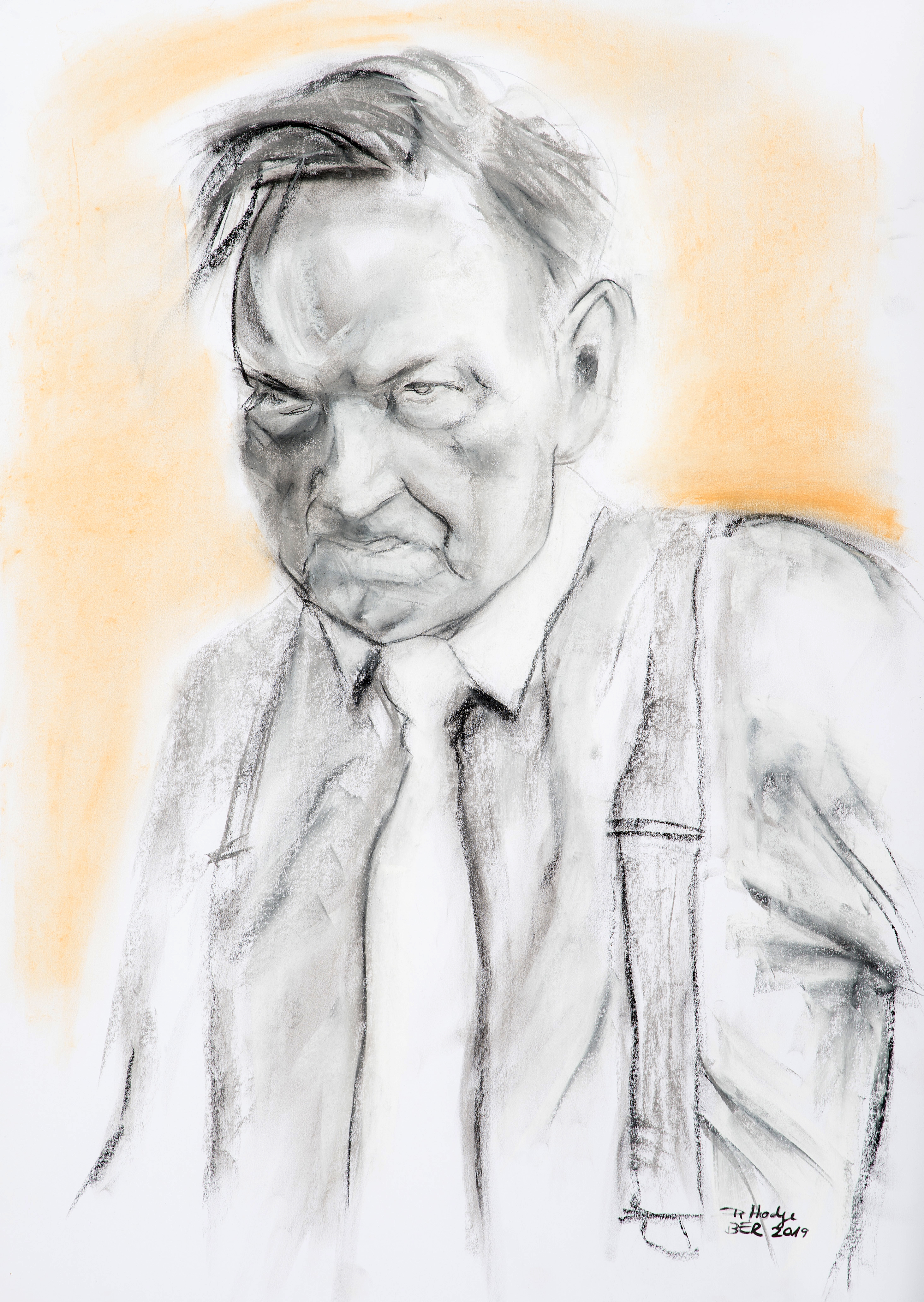
Two companion portraits: Clarence Darrow (above), defense attorney for John Scopes, who had been put on trial for teaching evolution in a Tennessee public school. His cross-examination of William Jennings Bryan (below) as a Creationist and lead prosecutor is a classic of legal history.
Both images copyright 2019 by Russ Hodge, not for use without permission.
Full-size reproductions are available.


I made these upon the enthusiastic request of Gary Lewin’s group at the MDC, for an upcoming conference on non-standard model organisms in biology.

Here is the opening chapter of the Case of the Short-fingered Musketeer.
You can read the introduction here.






The introduction to my 2012 book.
Photographs by Maj Britt Hansen, Philipp Maas, and Hakan Toka unless otherwise noted.
Cover art by Stephen Johnson.
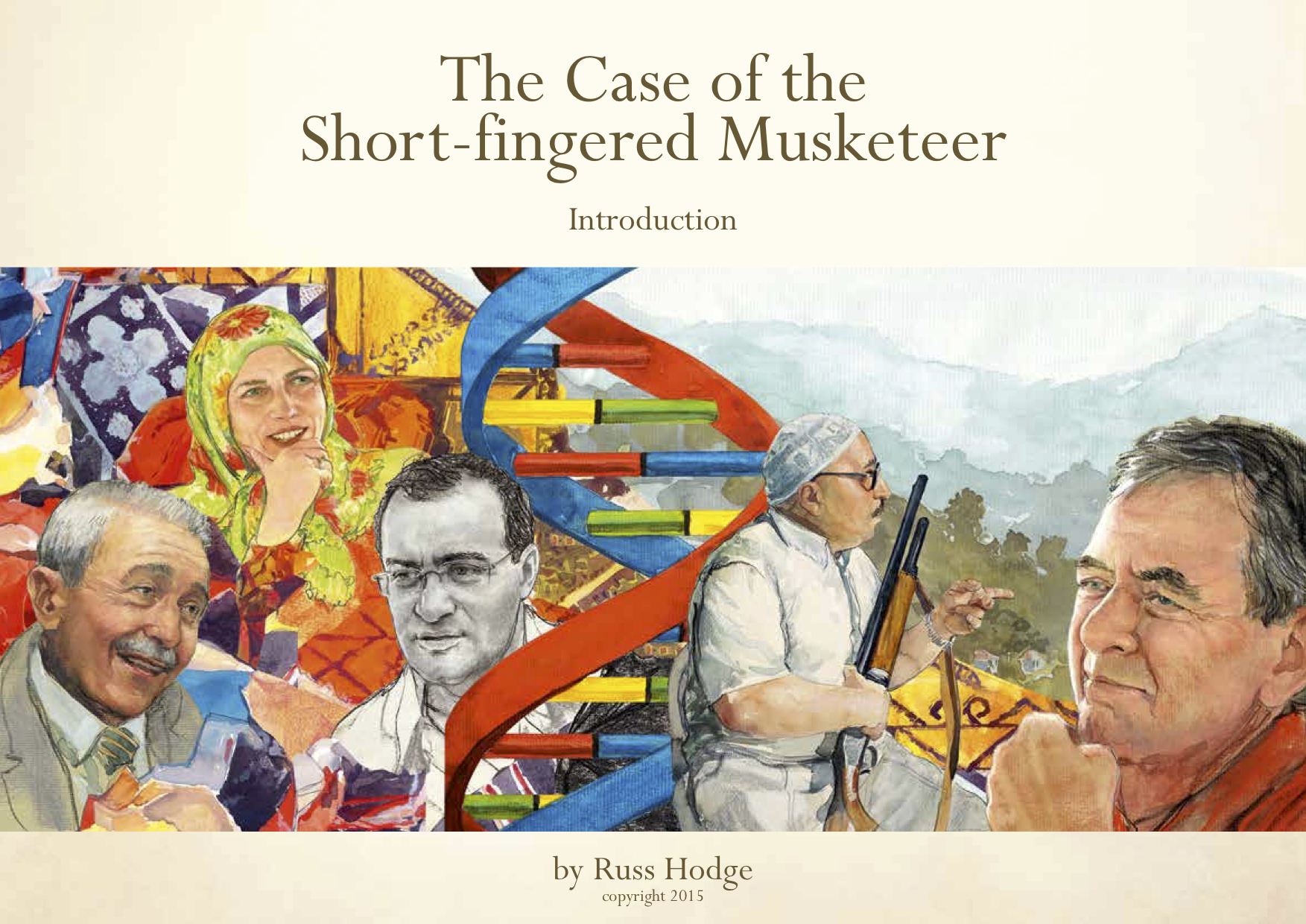



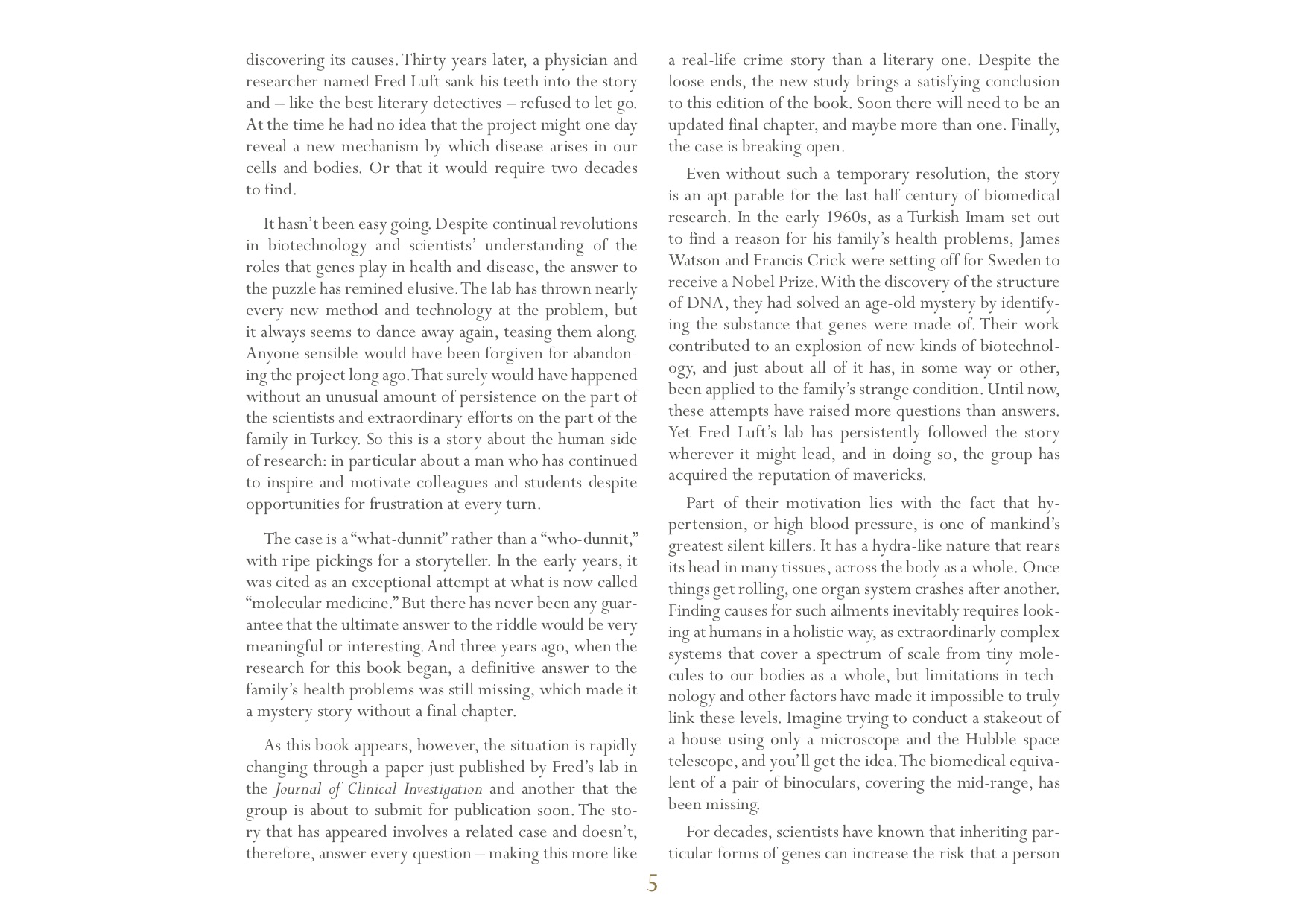

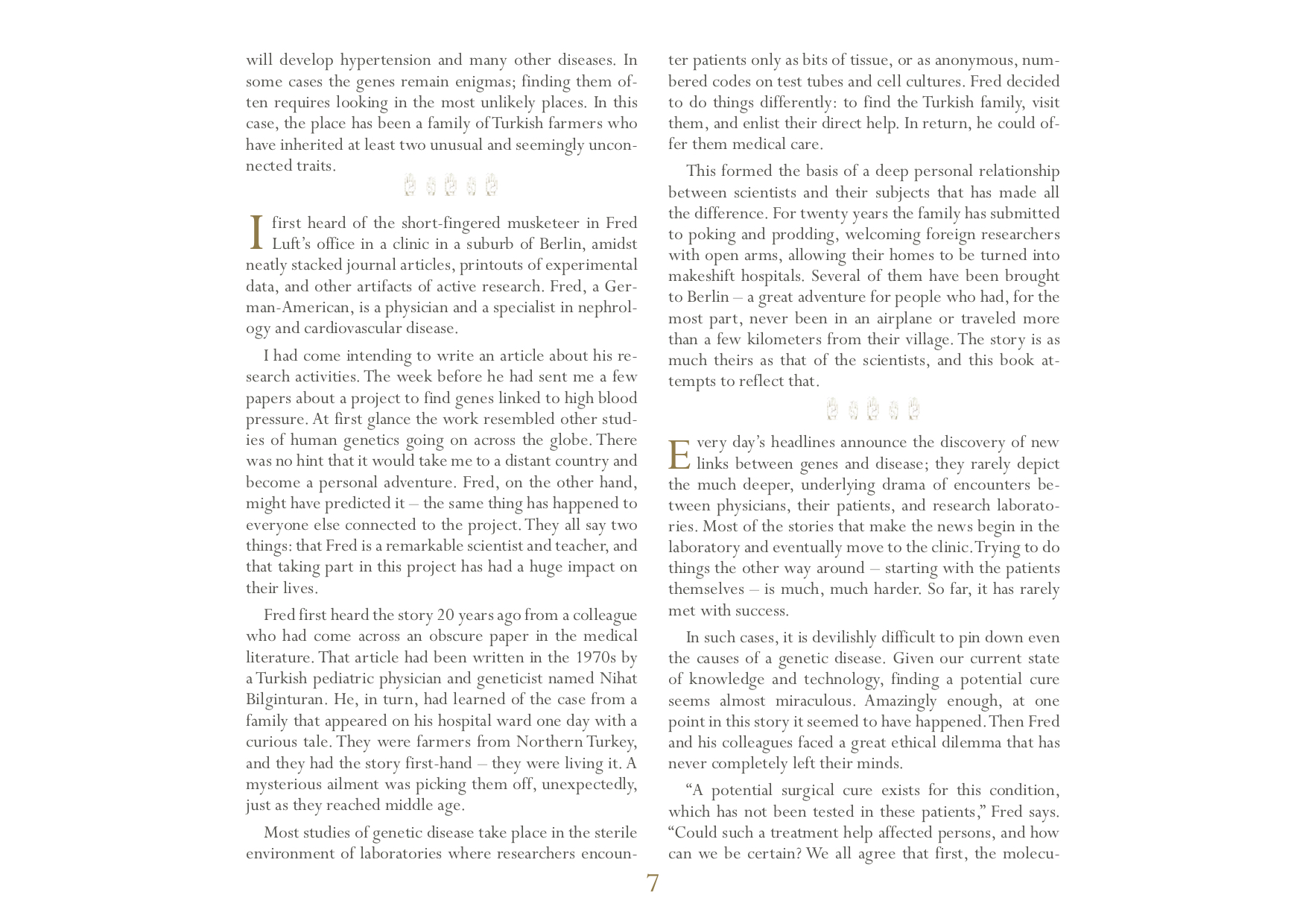



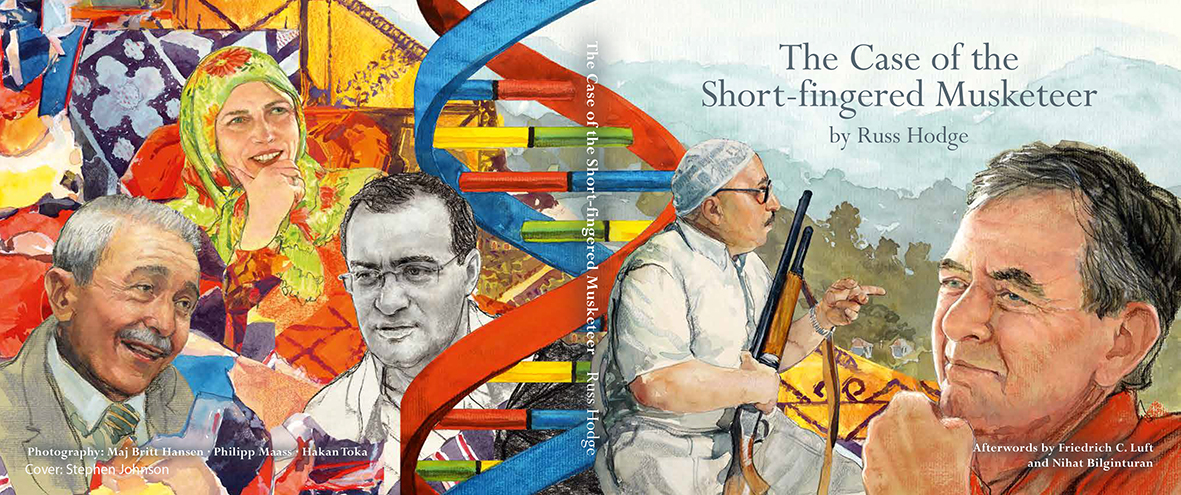
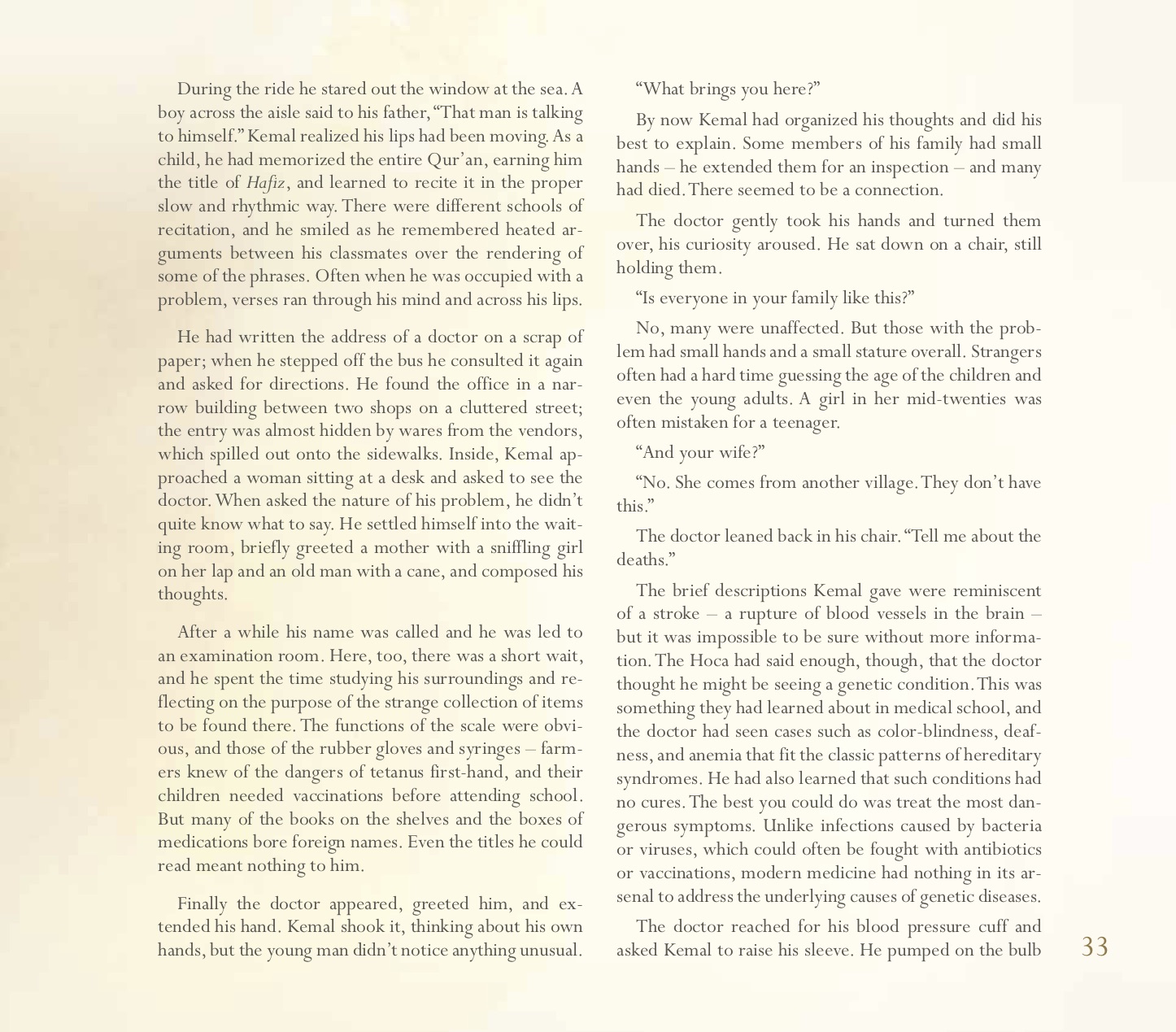
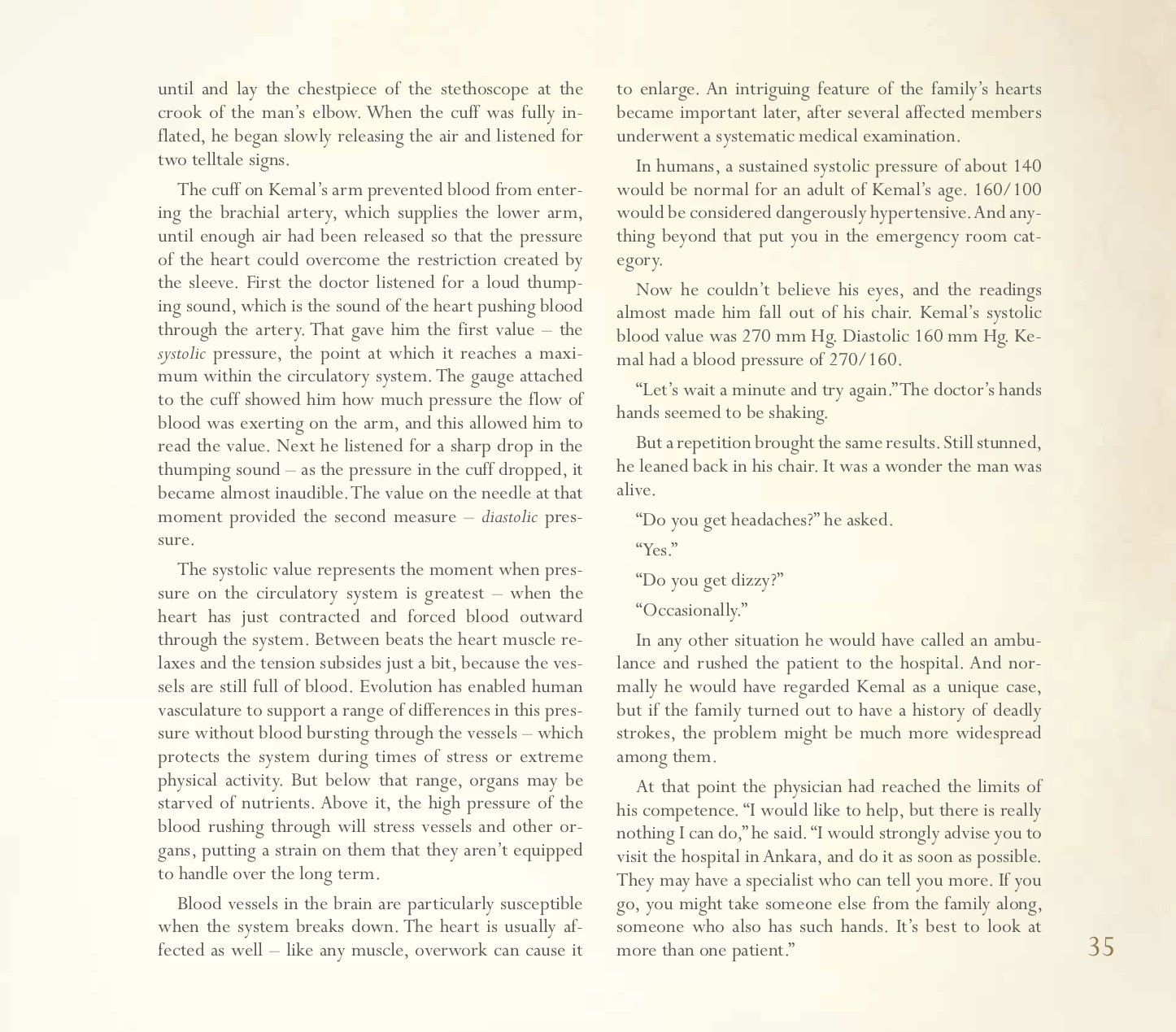
This is the book I wrote in 2012 called “The Case of the Short-fingered Musketeer,” about a long-term project by the laboratory of Friedrich Luft to discover the genetic causes of essential hypertension. The book was written as both a detailed case study of a scientific project and a parable for the amazing progress of what we call “molecular medicine” over the past 20 years. It is also a remarkable account of a unique collaboration between basic researchers, a family with a genetic disease, doctors, clinicians, pharmacologists, and the politics of science. (There was also some art involved, as seen in the magnificent cover painted by my good friend Stephen Johnson, of Lawrence, Kansas.)
In 2012 the story was still unfinished – so it goes in science – but 2015 saw the publication of a new paper that brought the story to a satisfying conclusion. That occasioned a new chapter.
The book was supported and published by the institute Fred, his team and I work for – the Max Delbrück Center for Molecular Medicine of the Helmholtz Association. We are still hopeful that a mainstream publisher will pick up a streamlined version of the book – if you’re interested, please let us know!
Now the group is awaiting word on (hopefully) the acceptance a new paper that takes the story even farther and will certainly require a chapter 22. In optimistic anticipation, and in honor of Fred Luft’s recent 75th birthday, I will begin posting excerpts from the book here over the next days and weeks.
For those who can’t wait, the introduction and final chapter can already be read on-line at the links below.
Stay tuned for new developments!
Eric Satie
Image copyright 2019 by Russ Hodge, not for use without permission
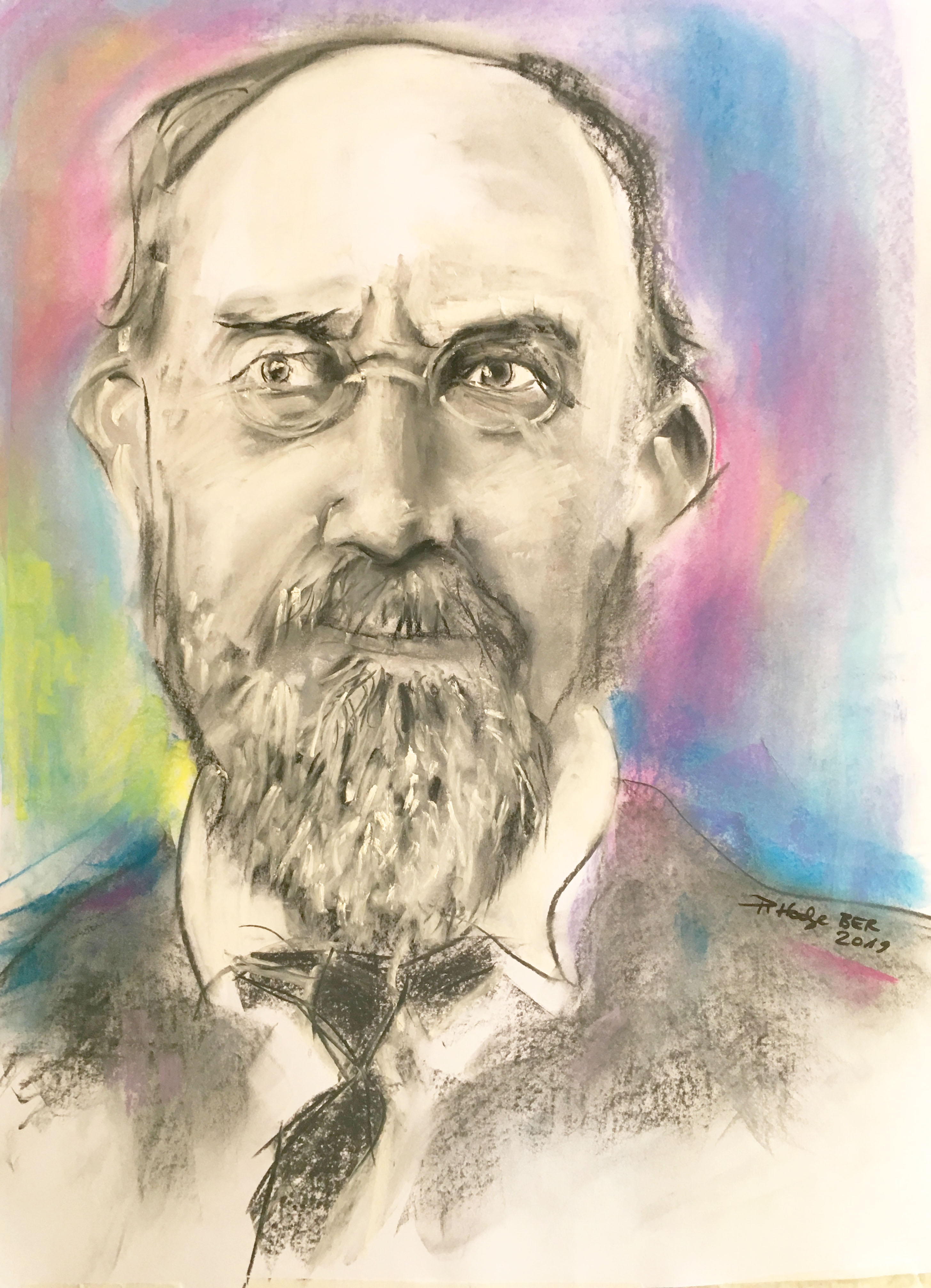
These images copyright 2019 by Russ Hodge

“Reflections on a bust of Socrates”
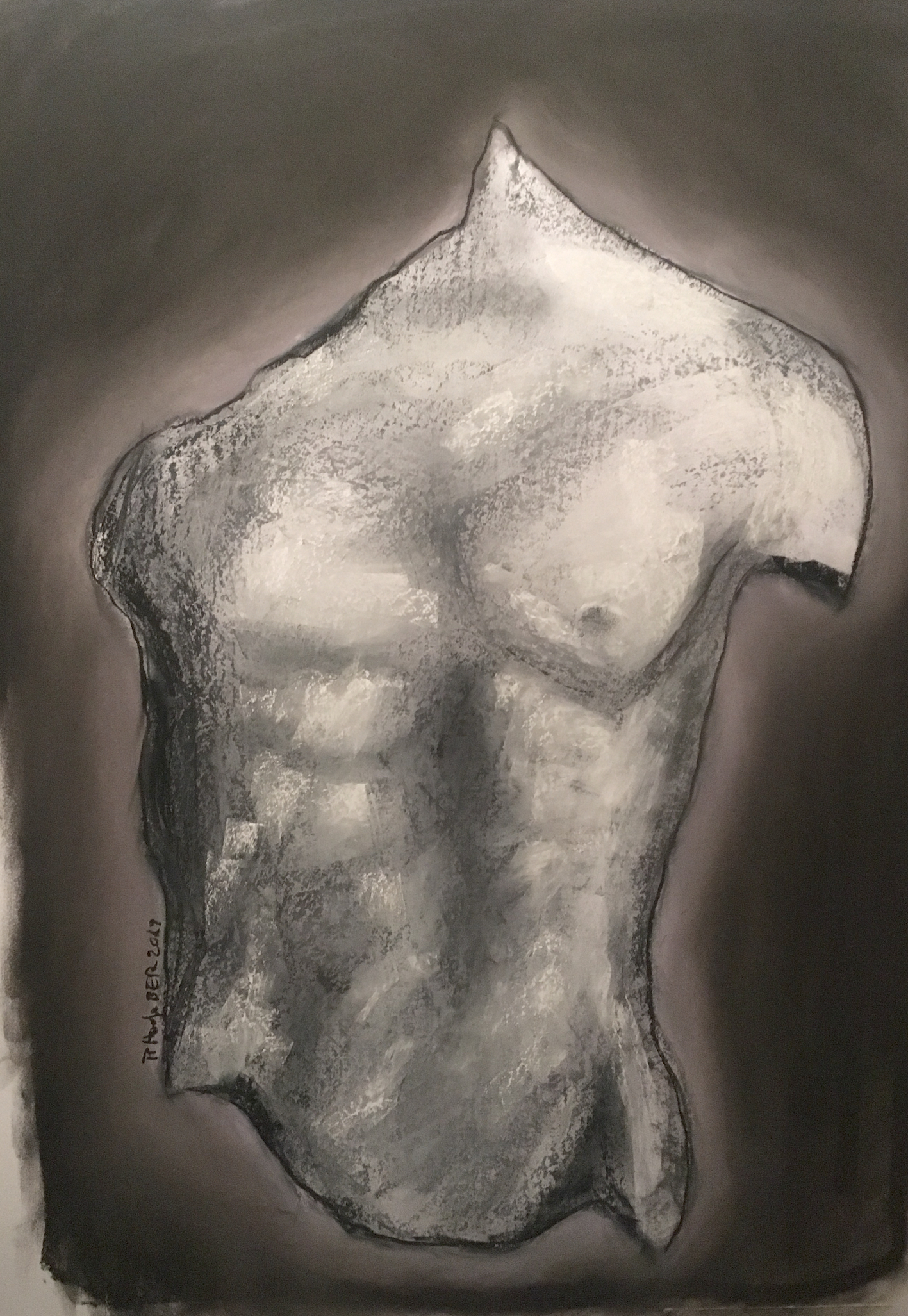
Roman torso
 Another dragonfly
These images copyright 2019 by Russ Hodge.
Unlike most of the other images on this site, these are not for use without permission.
Note: All of the images are huge, format A1. Some are for sale as originals or reproductions; contact me if you’re interested.

Claude Monet
Serge Rachmaninoff
Dragonfly caught in a moment of amber
Greek charioteer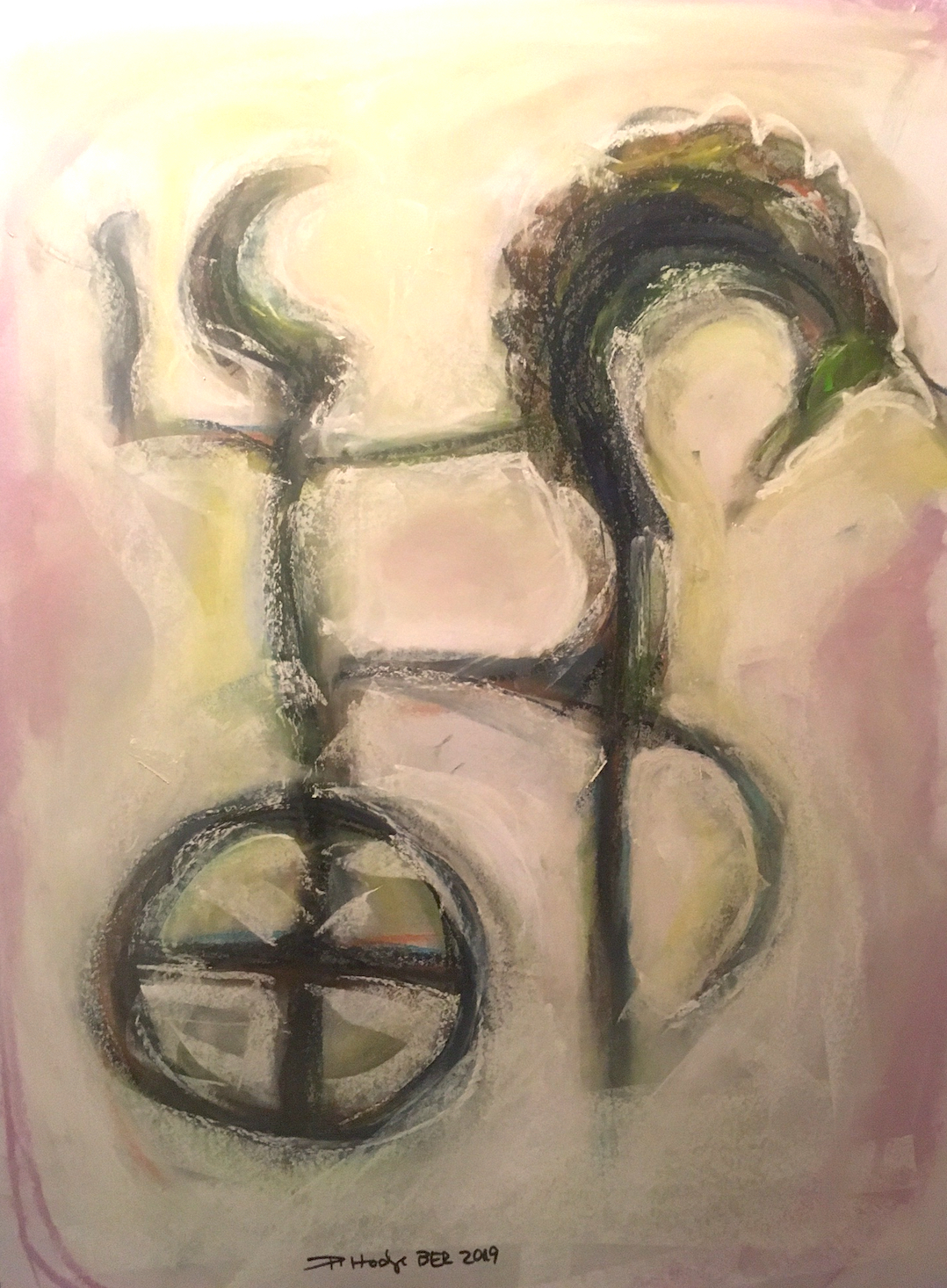
Last year I gave a number of talks on a new model of the relationship between communication and research, which I have covered in “Ghosts, models and meaning in science,” and a more detailed text, here. I’ll be adding articles on this theme in the coming weeks. Comments are greatly appreciated – they have already significantly improved the project.
The core point is that scientific messages derive meaning from their relationship to various models and other concepts that often remain “invisible” (ghosts) in a given text or communicative context. This is true of all kinds of communication, of course. But the natural sciences relate meaning to models in specific, highly structured ways that can be recovered. If this invisible architecture is not shared by a writer or speaker, meaning will be lost. A failure to take this into account is one of the most common reasons people misunderstand a message. And in doing science, being unaware of the link between a project and the models that spawned it can become an obstacle to generating new hypotheses or fully understanding what happens in an experiment.
The inherent connection between thinking about, doing and communicating science is crucial to the quality of research and has important implications for science education. Here I present two slides I use in my talks. These “Concept maps” expose some of the patterns that link these ideas.
The first slide shows how a very specific scientific question (rose-colored box at the bottom) can be fit into a hierarchy of more general questions and models. There is no single path for creating such a chart: the same question at the bottom could be analyzed upward in different ways. You might diagram it within a more chemical or physical or evolutionary pathway, because specific questions are embedded in all kinds of models.
There are several important implications.
First, at some level, an experiment which seeks an answer to a very specific question also challenges the higher-order models it is embedded in. Basically, an experiment may be shaking a big tree and probing assumptions concerning several levels of the hierarchy and how they are linked. A highly specific experiment can refute a very large model, theory or linked set of assumptions. For example, all kinds of simple experiments might have shaken evolutionary theory, or a study that characterizes tumor samples could overturn a view of how a particular therapy works.
Secondly, an audience may know nothing about the example given below, which involves NF-kB, transcription factors, signaling pathways and so on. When trying to explain something, a scientist needs to make a reasonable guess about the knowledge of an audience and the kinds of things they are interested in, then find the right level of the hierarchy to jump in. Going downward provides a logical path for a dialogue that moves from a general question to a more specific one – and how they fit together.
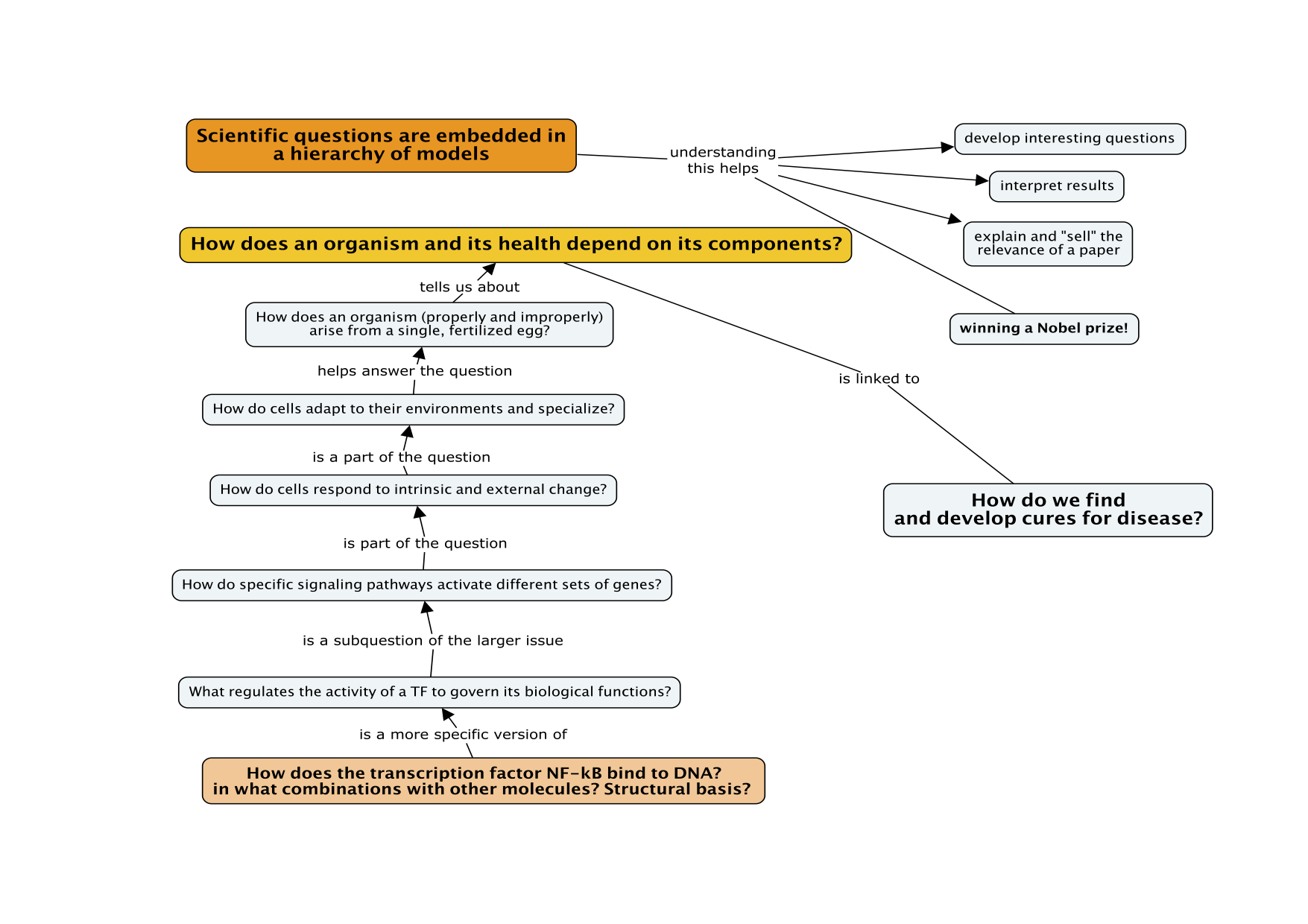
The second slide links the way this communicative strategy can help scientists think about a problem more clearly, see relationships between models, and widen their understanding of the implications of their work. 
Stay tuned for more soon.
Russ Hodge



 Good Science Writing